Choosing the right surfboard boils down to your skill level and the waves you’ll be riding. If you’re a beginner, longboards offer stability and ease, making it simpler to catch waves. However, if you’re more experienced, shortboards provide the speed and maneuverability for tricks on steeper waves. Material choices also play a role, affecting weight and durability. Understanding these factors can enhance your surfing experience, and there’s much more to explore on this topic.
Key Takeaways
- Longboards are ideal for beginners due to their stability and ease of catching waves, while shortboards are suited for advanced surfers seeking agility.
- The size and shape of longboards provide better buoyancy and stability, making them easier for novices to paddle and balance.
- Shortboards are designed for speed and quick maneuvers in steep waves, allowing experienced surfers to perform tricks and refine techniques.
- Material choice affects the board’s weight and durability; epoxy boards are lighter and more beginner-friendly, while polyurethane boards are favored by experienced surfers.
- Choosing the right surfboard based on skill level and wave conditions enhances the surfing experience and facilitates skill development.
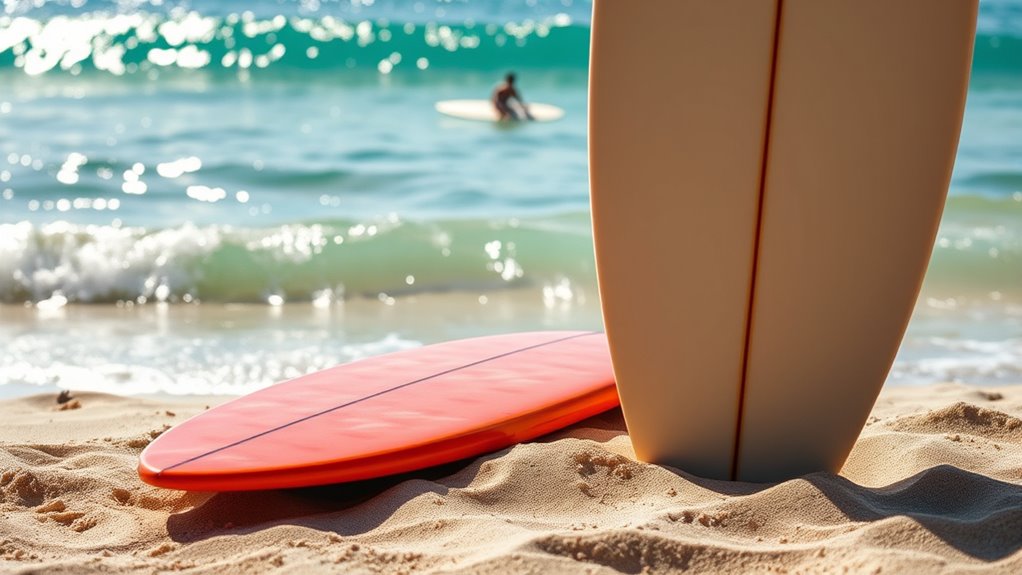
When you’re ready to hit the waves, choosing the right surfboard can make all the difference in your experience. You might find yourself torn between a shortboard and a longboard, and understanding the differences can help you make the best choice for your surfing style and skill level. If you’re a beginner, a longboard might be your best bet. These boards are typically longer, wider, and more stable, which makes it easier for you to catch waves and maintain balance. The additional surface area provides better buoyancy, allowing you to paddle out with less effort and catch smaller waves with ease.
On the flip side, if you’re an advanced surfer, you might lean towards a shortboard. These boards are designed for speed and maneuverability, perfect for performing tricks and riding steeper waves. Their smaller size requires more skill, so if you’ve been surfing for a while and feel confident in your abilities, a shortboard could elevate your surfing experience. It’s all about matching your skill level with the right board: beginner vs advanced surfers will find their needs markedly differ.
Another factor to consider is board materials. Surfboards are typically made from polyurethane, epoxy, or a combination of both. Polyurethane boards are more traditional and offer a great flex and feel, making them popular among experienced surfers. However, they can be a bit heavier, which might not be ideal for novices still learning the ropes. Epoxy boards, on the other hand, are lighter and more durable, making them suitable for beginners. They’re less likely to ding or break, which is a big plus when you’re still learning how to handle the waves.
As you weigh your options, think about how you plan to use your board. If you’re mostly cruising along gentle waves, a longboard’s stability and ease of paddling will serve you well. But if you’re enthusiastic about tackling challenging waves and refining your technique, a shortboard’s agility will help you progress faster. Ultimately, the right surfboard complements your style and skill level, so take your time to find the perfect match. With the right board under your feet, you’ll be ready to conquer the ocean and enjoy every moment on the water. Additionally, having the appropriate surfboard for your skill level can significantly boost your overall surfing experience, allowing you to enjoy the sport to its fullest.
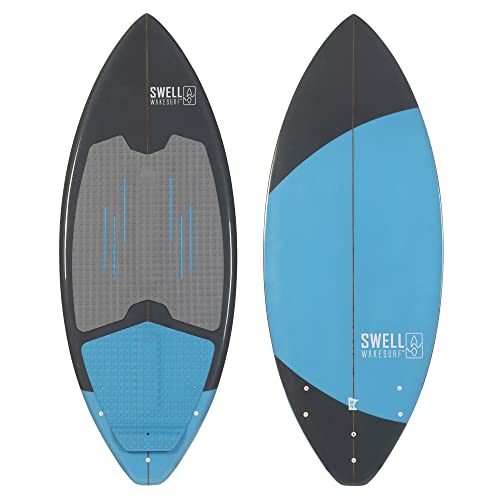
SWELL Wakesurf - Vermillion Skim Board (56)
BOARD STYLE: The Vermillion Skim Board is a skim style wakesurfer. Ideal for surface tricks like 360's, shuv-its,...
As an affiliate, we earn on qualifying purchases.
Frequently Asked Questions
Can Beginners Use Shortboards Effectively?
As a beginner, you can use shortboards, but it’s challenging. They offer less board stability compared to longer options, making it tougher to catch waves and balance. If you’re keen for skill progression, you might struggle initially. Shortboards require more advanced techniques and strength, so you might want to start with a longer board for better stability. Once you gain confidence and improve your skills, then shifting to a shortboard can be rewarding.
How Much Do Surfboards Typically Weigh?
When it comes to surfboards, weight can really make waves. Typically, a surfboard weighs between 5 to 10 pounds, depending on its size and shape. The board weight is influenced by surfboard density, with thicker boards often being heavier. If you’re just starting out, keep in mind that a lighter board might be easier to handle, while a heavier one can provide more stability in the water. Choose wisely for your surf journey!
What Materials Are Surfboards Made From?
Surfboards are primarily made from materials like polyurethane foam, epoxy resin, and fiberglass. Each material affects surfboard construction and performance. Polyurethane offers a classic feel but may be less durable than epoxy, which is lighter and stronger. Fiberglass adds strength and stiffness, enhancing the board’s durability. When you choose your surfboard, consider how each material impacts your ride and how long you want it to last in the water.
How Do I Transport My Surfboard Safely?
To transport your surfboard safely, use a padded board bag to protect it from dings and scratches. Secure it in your vehicle with straps to prevent sliding during transit. If you’re using a roof rack, consider using transport accessories like tie-downs for extra stability. For added protection, store your board in a cool, dry place when not in use. Following these storage tips will keep your board in top shape for your next session!
Are There Specific Brands Recommended for Beginners?
When you’re just starting, brands like Softlite and Wavestorm offer beginner-friendly models that make surfing feel like riding a cloud. These boards are designed for stability and ease of use, helping you catch waves without the fuss. You can’t go wrong with either brand; their builds are durable and user-friendly. Plus, they provide a solid foundation for your surfing journey while you develop your skills on the water!

Ronix Koal Classic Fish Wakesurf Board for All Levels | Versatile Forgiving Surf-Style Board with Tool-Free Fin-S System & Swallowtail | Best for Recreational Wakesurfing, Glossy Black/Bamboo, 5'
SURF-STYLE PERFORMANCE FOR ALL LEVELS - The Ronix Koal Classic Fish Wakesurfing Board is designed as a true...
As an affiliate, we earn on qualifying purchases.
Conclusion
In the grand ocean of surfing, your board is your vessel. A shortboard is like a swift dolphin, darting through waves, while a longboard resembles a graceful whale, cruising effortlessly. Choosing between them is akin to selecting your path in life: embrace the agility of the shortboard for thrilling adventures, or savor the stability of the longboard for a tranquil journey. Trust your instincts, ride the tide that resonates with your spirit, and let your surfboard guide you to discovery.
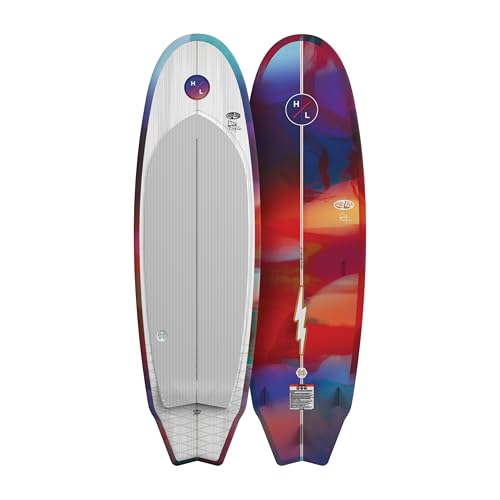
Hyperlite Landlock Longboard-Inspired Wake Surf Board - for Beginners to Intermediate Riders - Catching All Waves Behind The Boat - 5’9”
BEGINNER-FRIENDLY RIDE: Designed for first-time riders, bigger surfers, or relaxed sessions, this longboard-inspired wakesurf board incorporates Hyperlite’s rounded...
As an affiliate, we earn on qualifying purchases.

Airhead Bonzai Surf-Style Wakesurf Board
Compression molded fiberglass board with dual hook grooves
As an affiliate, we earn on qualifying purchases.