
Tracking both heart rate variability and stroke count helps you understand your body’s recovery, efficiency, and endurance. Heart rate variability shows how well you’re recovering and if stress levels are high, while stroke count indicates your technique and water-based effort. By monitoring both, you can optimize workouts, prevent overexertion, and see steady progress over time. Stay tuned to learn how combining these metrics can give you deeper insights into your performance.
Key Takeaways
- Heart rate measures internal stress and recovery, indicating overall training readiness and fatigue levels.
- Stroke count reflects technique efficiency and endurance during water-based activities like swimming and rowing.
- HRV provides insights into autonomic nervous system activity and helps tailor training intensity and recovery periods.
- Tracking both metrics together offers a comprehensive view of physical condition and performance progress.
- Using heart rate and stroke count in tandem optimizes training, prevents overtraining, and enhances technique and efficiency.
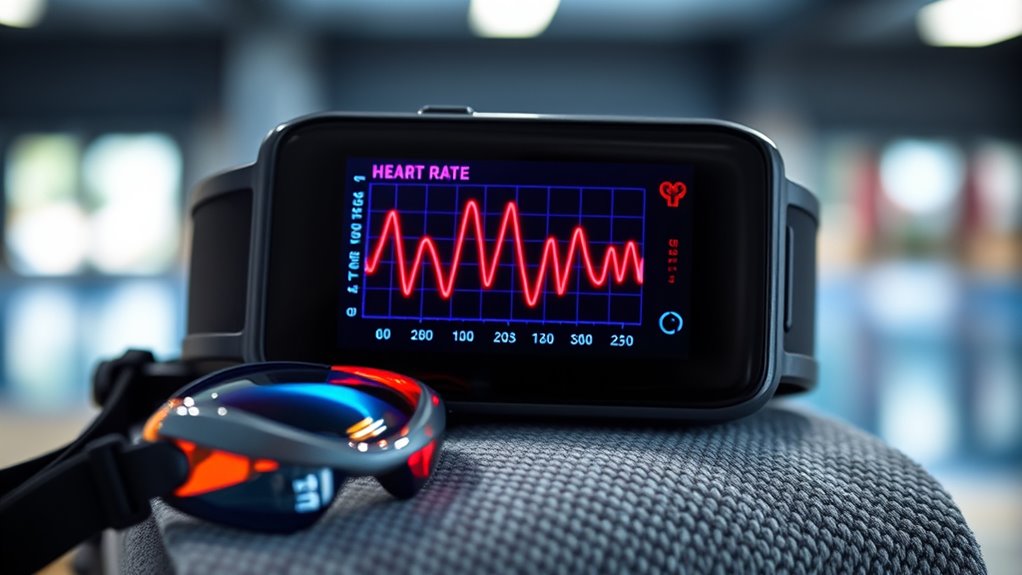
Have you ever wondered how businesses measure their success and improve their strategies? Well, in the world of athletic training and performance, tracking specific metrics can help you do the same. Two vital measurements are heart rate variability and stroke rate analysis. These metrics offer insights into your physical state and how effectively you’re performing, enabling you to optimize your training and prevent injury.
Heart rate variability, or HRV, measures the fluctuations between your heartbeat intervals. It’s a powerful indicator of your autonomic nervous system‘s activity and overall recovery status. When you train intensely or experience stress, your HRV tends to decrease, signaling that your body is under strain. Conversely, a higher HRV suggests your body is well-rested and ready for more demanding workouts. By monitoring HRV regularly, you can tailor your training sessions to match your body’s readiness, avoiding overtraining and burnout. For athletes, understanding HRV helps in timing workouts for peak performance and recovery periods, making your training more effective and safer.
Monitoring HRV helps tailor workouts, prevent burnout, and optimize recovery for safer, more effective training.
On the other hand, stroke rate analysis focuses on how many strokes you take per minute during swimming or rowing. This metric directly correlates with your efficiency and endurance in the water. If your stroke rate is too high, you might be expending unnecessary energy, which can tire you out quickly. Too low, and you may not be maximizing your speed or efficiency. By analyzing your stroke rate, you gain insight into your technique and endurance levels. Adjusting your stroke rate can lead to better energy management and faster times. For example, a consistent, optimized stroke rate allows you to conserve energy over long distances, helping you swim faster with less effort.
Both metrics serve different but complementary purposes. Heart rate variability helps you understand your internal recovery and stress levels, guiding how hard you should push during training. Stroke rate analysis focuses on your technique and efficiency in water-based activities. Tracking these metrics over time allows you to identify patterns, improve your form, and prevent setbacks caused by overexertion or improper technique. With the right tools and consistent monitoring, you can make smarter decisions about your training, ensuring continuous progress while minimizing injury risk.
In essence, integrating heart rate variability and stroke rate analysis into your routine turns raw data into actionable insights. You’ll learn not only how hard you’re working but also how well your body is responding to that effort. This dual approach helps you train smarter, recover better, and achieve your goals more efficiently. Whether you’re a seasoned athlete or just starting, understanding and tracking these metrics can transform your approach, giving you a clear edge in your fitness journey.
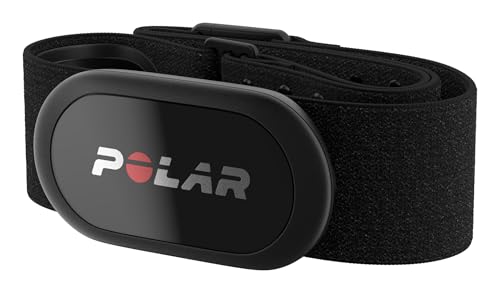
Polar H10 Heart Rate Monitor Chest Strap – ANT + Bluetooth, Waterproof HR Sensor for Men and Women, Black, M-XXL
WORKS WITH EVERYTHING: Polar HRM works with ALL HRM compatible Equipment.
As an affiliate, we earn on qualifying purchases.
As an affiliate, we earn on qualifying purchases.
Frequently Asked Questions
How Does Heart Rate Vary With Different Swimming Intensities?
As you swim at different intensities, your heart rate increases with effort. During high-intensity swimming, like fast breaststroke, your heart works harder, and efficient breathing techniques help manage oxygen intake. Improving breaststroke efficiency allows you to maintain a steady heart rate even at higher speeds. Conversely, at lower intensities, your heart rate stays lower, conserving energy. Monitoring these variations helps you optimize training and enhance overall performance.
Can Stroke Count Accurately Measure Workout Intensity?
Imagine trying to gauge your swim pace with a stork’s dance—awkward and unreliable. Stroke count can give you a rough idea of workout intensity, but it’s like guessing your speed based on a wiggle. Your stroke rate fluctuates with fatigue and technique, so it’s not always precise. For true accuracy, combine stroke count with other metrics, like pace or heart rate, rather than relying on it alone.
What Devices Best Track Both Heart Rate and Stroke Count?
You want the best devices to track both heart rate and stroke count, and fitness trackers are your top choice. Look for waterproof devices designed for swimming; these often include sensors that monitor both metrics accurately. Brands like Garmin, Fitbit, and Apple offer models that are reliable, user-friendly, and equipped with advanced features to guarantee you get detailed insights during your workouts. Choose one that fits your needs and budget.
How Does Water Temperature Affect Heart Rate Readings?
Water temperature impacts your heart rate readings by influencing heart rate variability. When you swim in colder water, your body works harder to stay warm, often increasing your heart rate. Conversely, warmer water can relax your muscles and lower your heart rate. So, you should consider water temperature when monitoring heart rate, as it can cause fluctuations unrelated to your exertion level, affecting the accuracy of your readings.
Are There Health Risks Associated With High Swim Heart Rates?
Imagine your heart pounding fiercely like waves crashing against the shore. Swimming with high heart rates can strain your body, risking dehydration and overexertion. You might feel dizzy or breathless if you don’t use proper breathing techniques or stay hydrated. It’s essential to listen to your body, pace yourself, and monitor hydration needs to avoid health risks like fatigue or overheating during intense swims.

Parsonver 5ATM Waterproof Fitness Tracker, Swimming Smart Watch with Step Counter, Stopwatch, Pedometer, 24/7 Heart Rate/Blood Oxygen/Sleep Monitor, 110+ Sport Modes Fitness watch for Women Men, Black
【5ATM Waterproof Swimming Fitness Tracker — Your Perfect Swim Companion!】Take your pool workouts to the next level with…
As an affiliate, we earn on qualifying purchases.
As an affiliate, we earn on qualifying purchases.
Conclusion
When choosing between heart-rate and stroke count, remember that no single metric tells the whole story. You’re the best judge of what works for you. Think of it as having both your eyes and ears open — each offers valuable insight. Tracking both gives you a clearer picture of your progress. So, don’t put all your eggs in one basket. Keep an eye on your goals, and you’ll be swimming ahead of the rest.
Polar H10 Heart Rate Monitor Chest Strap – ANT + Bluetooth, Waterproof HR Sensor for Men and Women, Black, M-XXL
WORKS WITH EVERYTHING: Polar HRM works with ALL HRM compatible Equipment.
As an affiliate, we earn on qualifying purchases.
As an affiliate, we earn on qualifying purchases.
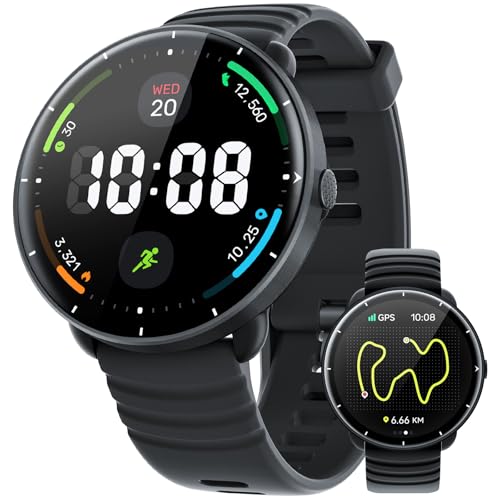
Parsonver Smart Watch for Swimming, 5ATM Waterproof Watch for Pool & Open Water, AI Swim Analysis, Built-in GPS & Compass, AMOLED Fitness Trackers 100+ Sports Modes, Heart Rate & Sleep Monitor, Black
【5ATM SWIMMING SMARTWATCH – ADVANCED SWIM ANALYTICS】Swim smarter and perform better! Designed for passionate swimmers, track every lap…
As an affiliate, we earn on qualifying purchases.
As an affiliate, we earn on qualifying purchases.