
When sailing in heavy weather, it’s vital to recognize signs of worsening conditions, like increasing wind speeds and choppy seas. Practice reefing your sails in calm conditions, reducing sail area to maintain control. Familiarize yourself with nautical charts and use GPS for navigation. Keep emergency signaling devices accessible and make certain that communication tools are functional. Always prioritize safety over progress, staying calm to make informed decisions. There’s much more to explore about effective tactics for heavy weather sailing.

Get sports gear delivered free — and shop member deals
- Fast, free delivery on millions of items
- Access to Prime Big Deal Days deals on October 6–7
- Prime Video, Amazon Music and more included
Key Takeaways
- Monitor wind direction and sea state to anticipate deteriorating weather conditions and prepare for potential challenges.
- Practice reefing techniques in calm conditions to ensure swift sail adjustments during heavy weather.
- Use nautical charts and GPS to navigate away from hazards while adjusting courses as weather worsens.
- Keep emergency signaling devices readily accessible and ensure they are functional for effective communication in emergencies.
- Trust your instincts and prioritize seeking safe harbor over continuing your journey in severe conditions.

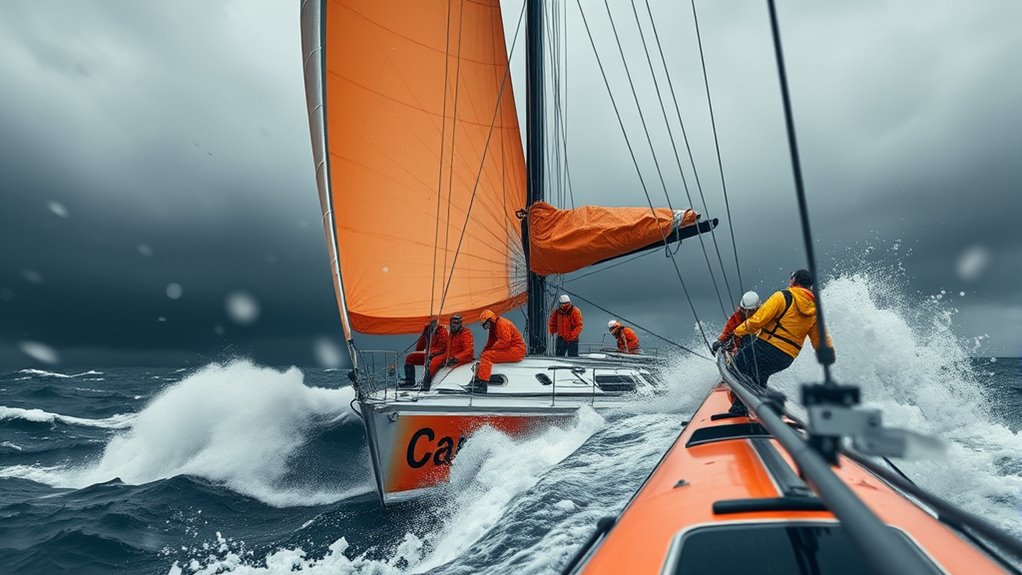
When you find yourself out on the water and the skies darken, sailing in heavy weather can feel intimidating. The wind howls, the waves crash, and your heart races as you realize you need to act fast. Preparation is key in these situations, and understanding reef avoidance can be your best ally. You’ve got to stay calm and focused, evaluating your surroundings to determine the best course of action.
First off, pay attention to the wind direction and sea state. If you notice the waves becoming steeper and the wind picking up, it’s time to contemplate reducing sail. You might need to reef to maintain control of your vessel. Reefing not only helps you manage the wind but also keeps you safer by lowering the center of gravity, which reduces the risk of capsizing. Before you face heavy weather, practice reefing in calmer conditions so you can do it quickly and efficiently when the moment arises.
Another essential aspect of sailing in heavy weather is planning for reef avoidance. Familiarize yourself with your nautical charts and confirm you know the locations of any reefs or hazardous areas in your sailing route. As the weather worsens, steering clear of these obstacles becomes paramount. Use your GPS and radar to monitor your position and adjust your course as needed. If visibility diminishes, remember to slow down and stay alert.
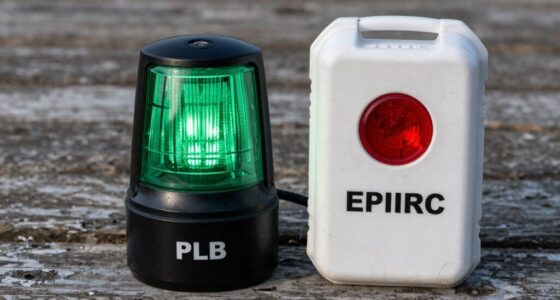
Emergency signaling is also something you can’t overlook. In case the situation escalates, and you find you need assistance, confirm your emergency signaling devices are easily accessible. This includes flares, a VHF radio, or an EPIRB. Familiarize yourself with how to use these devices so you can send out a distress signal if necessary. In a heavy weather scenario, every second counts, and clear communication can make all the difference.
Lastly, trust your instincts and experience. If conditions become too severe, don’t hesitate to seek shelter. Whether that means heading to a nearby harbor or finding a safe anchorage, your safety should always come first. Heavy weather can be daunting, but with the right preparation and tactics, you’ll not only navigate it safely but also come out stronger and more skilled as a sailor. Stay alert, stay safe, and remember that every experience on the water teaches you something valuable. Additionally, being aware of color accuracy in your navigation tools can help ensure you make informed decisions during challenging conditions.
Frequently Asked Questions
What Type of Sail Is Best for Heavy Weather Sailing?
For heavy weather sailing, a smaller headsail made from durable sail material is best. It helps maintain control and reduces heeling. When you’re tacking, keep your sails trimmed properly to ensure efficiency and stability. You might consider using a storm jib or a reefed mainsail, as they provide better handling in strong winds. Remember, your sail choice directly influences your ability to maneuver safely through challenging conditions.
How Do I Secure Items on Deck Before a Storm?
Before a storm, you should secure all items on deck to prevent damage and injuries. Start by checking your deck fittings, ensuring they’re tight and secure. Stow gear properly in designated storage areas, using straps or bungee cords to keep everything in place. Remove or secure loose items like fenders and lines, and ensure hatches are closed tightly. This preparation helps you maintain control and safety during rough weather.
What Are the Signs of an Approaching Storm?
You’ll notice several signs of an approaching storm. Look for dark, ominous storm clouds gathering in the sky, often appearing as towering formations. A sudden wind shift can also signal trouble ahead, often accompanied by a drop in temperature. Keep an eye on the horizon for lightning flashes or hear distant thunder. These indicators can help you prepare for the storm and protect yourself and your vessel before conditions worsen.
Should I Reef My Sails Before the Weather Worsens?
Yes, you should reef your sails before the weather worsens. By reducing sail area, you lessen the strain on your rigging and maintain better control. Implementing effective reefing strategies keeps your vessel balanced and minimizes the risk of capsizing. Adjusting your sail tension ensures ideal performance, allowing you to navigate safely through rough conditions. Remember, it’s better to reef early than to struggle with overly large sails when the storm arrives.
How Can I Communicate With Other Boats in Heavy Weather?
You can communicate with other boats in heavy weather primarily through radio communication. Make sure your VHF radio is on and tuned to the appropriate channels. Use distress signals if you’re in danger, like the Mayday call, to alert nearby vessels. Keep your messages clear and concise, relaying your situation and position. Regularly check in with others to stay connected and share important updates about the weather and safety measures.
Conclusion
So, if you’re itching to test your sailing skills in heavy weather, go ahead—who needs a comfy ride anyway? Forget about preparation and tactics; just embrace the chaos! After all, what’s a little wind, rain, and potential capsizing compared to the thrill of telling your friends about your “epic adventure”? Just remember, if you do end up in the drink, at least you’ll have a great story… right before you fish your boat out of the nearest harbor!
NFL season / tailgating Picks
team gear
As an affiliate, we earn on qualifying purchases.