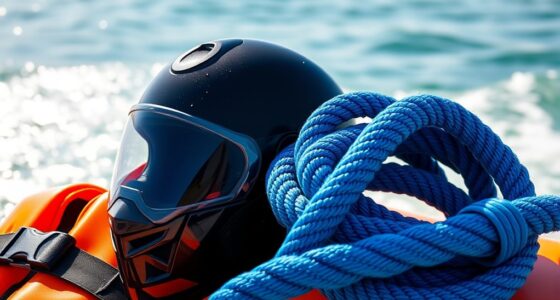
Wakeboarding can harm the environment by causing shoreline erosion, disturbing aquatic habitats, and contributing to pollution. To mitigate these impacts, prioritize eco-friendly gear and choose sustainable brands. Always follow designated wakeboarding areas and be mindful of wake size to protect fragile ecosystems. You can also get involved in local clean-up initiatives to help preserve water quality. By making conscious choices, you can enjoy wakeboarding while safeguarding the environment around you! Discover more ways to protect our waterways.
Key Takeaways
- Wakeboarding can disrupt local ecosystems, contributing to shoreline erosion and harming aquatic habitats through increased boat traffic and noise pollution.
- Choose eco-friendly gear made from sustainable materials to reduce harmful environmental impacts associated with wakeboarding activities.
- Limit excessive wake creation and stick to designated areas to protect sensitive shorelines and aquatic life during wakeboarding.
- Engage in community clean-up efforts to maintain water quality and promote awareness about pollution control within the wakeboarding community.
- Adopt sustainable practices by making mindful choices that balance your passion for wakeboarding with a commitment to environmental preservation.

While you might love the thrill of wakeboarding, it’s essential to contemplate its environmental impact. The excitement of gliding across the water can often overshadow the potential harm it may cause to the surrounding ecosystem. From the noise pollution of motorboats to the disruption of local wildlife, your passion could contribute to significant environmental challenges. However, there are ways you can enjoy wakeboarding while being mindful of your ecological footprint.
Contemplate the environmental impact of wakeboarding; your passion can coexist with mindful practices that protect our ecosystems.
One effective approach is to invest in eco-friendly gear. Many manufacturers now offer wakeboards, bindings, and other equipment made from sustainable materials. These products not only minimize the use of harmful chemicals but also reduce the overall environmental impact associated with production. When you opt for eco-friendly gear, you’re making a conscious choice that prioritizes the planet, while still enjoying the sport you love. Additionally, look for brands that practice responsible sourcing and fair labor conditions, as supporting ethical companies contributes to a healthier environment.
Another crucial aspect to consider is water conservation. Wakeboarding often takes place in lakes and rivers that are critical habitats for various species. You can help protect these water bodies by practicing responsible boating habits. For instance, avoid creating excessive wake, which can erode shorelines and disturb aquatic life. Stick to designated areas for your activities and be mindful of sensitive ecosystems. By doing so, you’re not only preserving the beauty of the waterways but also ensuring that future generations can enjoy them.
Also, consider organizing or participating in local clean-up efforts. Engaging with your community to maintain the health of your favorite wakeboarding spots can make a significant difference. Whether it’s picking up litter or advocating for pollution control, your efforts can contribute to better water quality and a more sustainable environment. Encourage your fellow wakeboarders to join in, spreading awareness about the importance of protecting our natural resources.
Finally, remember that small changes can lead to significant impacts. By being conscious of your gear choices and practicing sustainable habits, you can enjoy wakeboarding while safeguarding the environment. You don’t have to give up your passion; instead, you can enhance it by making responsible decisions. So, the next time you’re gearing up for a thrilling ride, think about how you can contribute positively to the world around you. Your love for wakeboarding can coexist with a commitment to environmental sustainability.
Frequently Asked Questions
What Are the Best Eco-Friendly Wakeboarding Equipment Options?
You’ll want to look for wakeboarding equipment made from eco-friendly materials like recycled plastics and organic fibers. Biodegradable gear is also a great option, as it breaks down naturally over time, reducing environmental impact. Check brands that prioritize sustainability and offer products designed with the planet in mind. By choosing these options, you can enjoy wakeboarding while minimizing your ecological footprint, making a positive impact on the environment.
How Does Wakeboarding Affect Local Wildlife?
Wakeboarding can markedly disrupt local wildlife. You might think it’s just a fun sport, but the noise pollution from boats can scare away animals, affecting their natural behaviors. Plus, habitat disturbance from boat traffic can destroy nesting sites and feeding grounds. By being mindful of where you ride and keeping noise levels down, you can help protect the wildlife that shares these beautiful waters. Remember, every small action counts for our ecosystem!
Can Wakeboarding Be Sustainable in Freshwater Lakes?
Yes, wakeboarding can be sustainable in freshwater lakes if you adopt eco-friendly boat practices and freshwater conservation strategies. By using low-emission boats, you reduce pollution and protect water quality. Additionally, you can choose to wakeboard during off-peak hours to minimize disturbance to local wildlife. Always be mindful of your surroundings and follow local guidelines, ensuring that your enjoyment doesn’t compromise the health of the lake and its ecosystems.
What Are Alternative Water Sports With Less Environmental Impact?
You might consider kayaking, paddleboarding, or canoeing as alternative water sports with less environmental impact. These eco-conscious watercraft allow you to enjoy the water while minimizing disruption to local ecosystems. By practicing wildlife friendly practices, like respecting nesting areas and keeping noise to a minimum, you help preserve the natural habitat. These activities promote a more sustainable relationship with nature, letting you experience the beauty of freshwater lakes without causing harm.
How Can Wakeboarders Promote Environmental Awareness in Their Communities?
You can promote environmental awareness by engaging in eco-conscious advocacy within your community. Organize community cleanups at local waterways, encouraging fellow wakeboarders to participate and learn about the impact of litter. Share tips on reducing waste during your outings and educate others about sustainable practices. Host workshops or talks that highlight the importance of preserving aquatic environments. By taking these steps, you’ll inspire others to join the movement for healthier waterways.
Conclusion
In summary, while wakeboarding can stir up excitement on the water, it also ripples through the environment, affecting ecosystems and wildlife. By practicing responsible boating, respecting wildlife habitats, and using eco-friendly gear, you can help minimize these impacts. Think of your actions as pebbles dropped into a pond—each choice creates waves that can either harm or heal. So, let’s ride the waves responsibly, ensuring both your enjoyment and the planet’s well-being.