
Understanding wind windows and foil angles is essential for your riding success and safety. Recognizing wind direction helps you optimize your ride and choose the best launch spots. Adjusting foil angles can greatly impact lift, speed, and stability, so fine-tuning them is key. Small changes during your ride can enhance your performance and comfort. Awareness of these factors keeps you in control and avoids unexpected mishaps. There’s plenty more to discover that can elevate your experience even further.
Key Takeaways
- Wind windows define the area where the wind effectively lifts the foil, crucial for optimal riding conditions.
- Understanding wind patterns helps prevent difficulty in catching wind and minimizes control loss from unexpected shifts.
- Foil angles significantly affect lift, speed, and stability; steep angles can lead to loss of control while flat angles reduce lift.
- Regularly tuning and adjusting foil angles during rides enhances performance and comfort based on real-time feedback.
- Always wear safety gear and inspect equipment to ensure safe riding and reduce the risk of accidents.

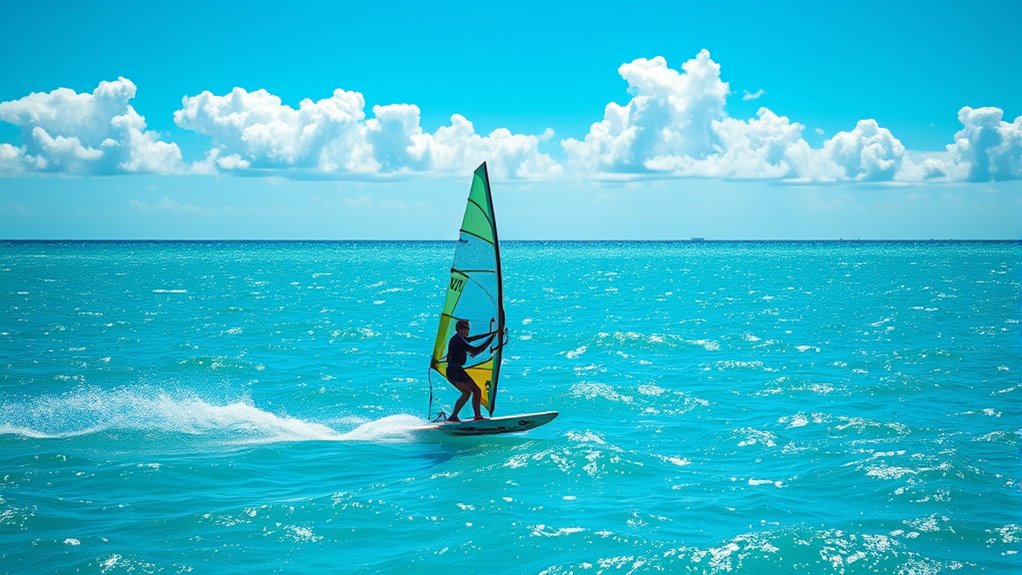
When you’re out on the water, understanding wind windows and foil angles can make all the difference in your ride. The wind window is fundamentally the area where the wind can effectively lift your foil and propel you forward. It’s essential to know where the wind is blowing and how it interacts with your equipment. If you’re not aware of your wind window, you might find yourself struggling to catch the wind or overpowered by it. Take a moment to observe the wind direction before you launch, and remember to adjust your positioning accordingly.
Now, let’s talk about foil angles. The angle at which your foil meets the water can greatly impact your performance. If your foil is angled too steeply, you risk losing speed and stability. Conversely, if it’s too flat, you may not get the lift you need. You’ll want to experiment with different tuning techniques to find the perfect balance that works best for your skill level and the conditions that day. Don’t hesitate to make small adjustments as you go; even a slight change can lead to a more enjoyable ride.
Safety precautions are also indispensable when you’re working with wind windows and foil angles. Always wear the appropriate safety gear, including a helmet and impact vest, to protect yourself from potential falls. Before you head out, check your equipment thoroughly for any wear and tear. A well-tuned foil and a secure harness can prevent accidents that might arise from equipment failure. Additionally, it’s necessary to stay aware of other water users around you. Maintaining a safe distance from others not only protects you but also helps prevent collisions.
Understanding how to read wind windows and adjust your foil angles can open up a new level of performance. As you gain experience, you’ll start to sense the ideal conditions for your ride and develop the intuition needed to make real-time decisions. You’ll find that the more you practice, the more comfortable you’ll become in various wind conditions. So, take the time to hone your skills and enjoy the feeling of gliding effortlessly over the water. Remember, mastering these elements isn’t just about enhancing your ride; it’s also about ensuring your safety and the safety of those around you. A unique style can greatly enhance your overall experience on the water.
kiteboarding wind window guide
As an affiliate, we earn on qualifying purchases.
As an affiliate, we earn on qualifying purchases.
Frequently Asked Questions
How Do I Choose the Right Wind Window for My Skill Level?
To choose the right wind window for your skill level, start by evaluating your comfort and experience with various wind conditions. If you’re a beginner, opt for a smaller wind window that offers more stability, ensuring skill level compatibility. As you gain confidence, experiment with larger windows to challenge yourself. Always pay attention to how the wind affects your control, adjusting your selection based on what feels right for you.
Can Foil Angle Affect My Kite’s Performance in Different Wind Conditions?
Yes, your foil angle can substantially affect your kite’s performance in various wind conditions. By adjusting the foil angle, you optimize your kite’s lift and control within the wind window. In lighter winds, a more angled foil can help you catch more air, while in stronger winds, a flatter angle may prevent over-lifting and improve stability. Experiment with these adjustments to find what works best for you in different conditions.
What Materials Are Best for Beginner Kites Regarding Wind Windows?
“Don’t put all your eggs in one basket.” For a beginner kite, lightweight materials like ripstop nylon or polyester are best. These fabrics offer durability while allowing the kite to catch wind easily, making your flying experience smoother. Avoid heavy materials, as they can hinder performance in varying wind conditions. Choosing the right kite material not only enhances your enjoyment but also helps you gain confidence as you learn to fly.
How Do I Adjust Foil Angles for Optimal Lift and Control?
To adjust foil angles for ideal lift and control, you’ll want to tweak the foil tilt by altering the angle adjustment. Start by finding the right balance; tilting the foil slightly forward increases lift, while tilting it back enhances stability. Experiment with small adjustments, testing how each change affects your kite’s performance. Keep an eye on wind conditions, and don’t hesitate to make further tweaks until you achieve the desired lift and control.
What Safety Measures Should I Take When Flying in Varied Wind Windows?
When flying in varied wind windows, you should always conduct a risk assessment before taking off. Check the wind conditions and any potential obstacles. Make sure you wear appropriate safety gear, like a helmet and impact vest, to protect yourself. Stay aware of your surroundings and keep an eye on the weather changes. If conditions worsen, be ready to land quickly. Your safety is paramount, so don’t take unnecessary risks.

Spatium Hydrofoil Board for Surfing Inflatable Surfing Wing Foil Board Surf Hydrofoil Surfboard Light Grey 150L Without Foil
Lighter and Durable:The inflatable hydrofoil board is made of new military-grade PVC material,which is lightweight and strong,our hydrofoil…
As an affiliate, we earn on qualifying purchases.
As an affiliate, we earn on qualifying purchases.
Conclusion
In mastering wind windows and foil angles, you’ve opened the door to exhilarating rides and unforgettable moments on the water. Like a dancer embracing the wind, you’ll learn to read the shifting breeze and adjust your sails with grace. Remember, practice makes perfect, and each outing is a chance to connect with nature and refine your skills. So, gear up and let the wind guide you to new adventures—you’ve got this!

Pelican Nautical Safety Kit for Paddle Sports, Water Sport & Boating – Orange
Waterproof Headlamp : Providing essential visibility in low-light emergencies, this IPX5 waterproof headlamp features 6 white and red…
As an affiliate, we earn on qualifying purchases.
As an affiliate, we earn on qualifying purchases.
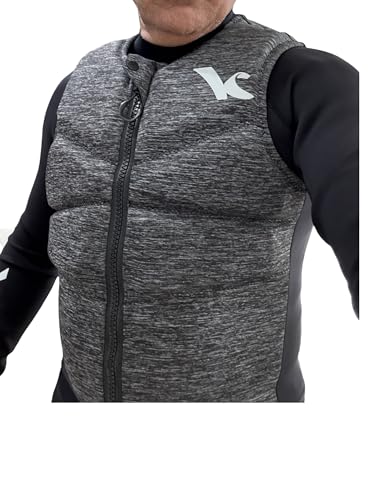
KiteKulture Kitesurfing Impact Vest – Lightweight Protective Vest for Kiteboarding, Wakeboarding & Watersports – Front Zip (X-Large)
Ultimate Watersports Impact Vest – Premium foam padding protects your ribs and chest from hard landings while maintaining…
As an affiliate, we earn on qualifying purchases.
As an affiliate, we earn on qualifying purchases.