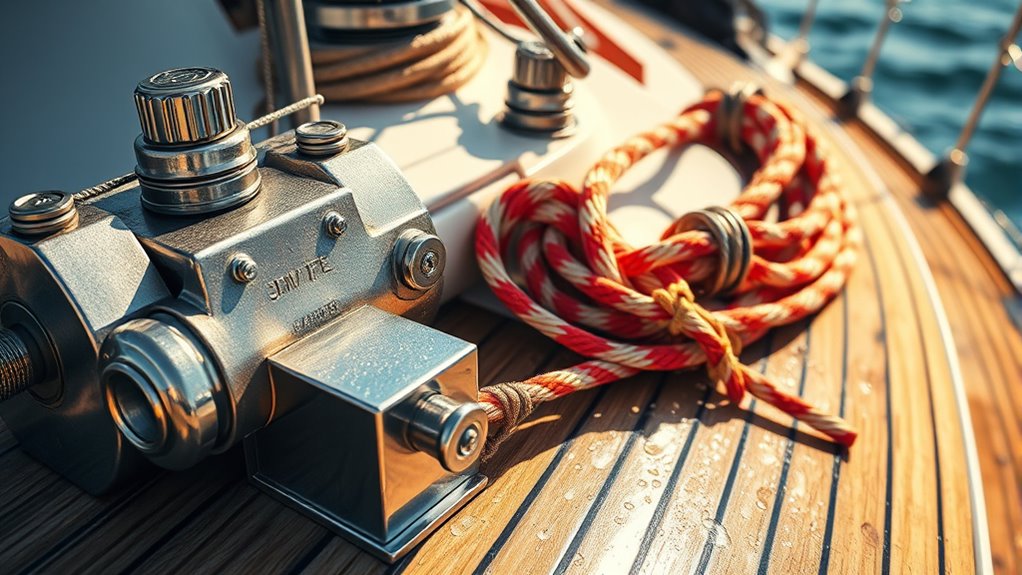

Essential sailboat equipment like blocks, winches, and cleats is vital for safe and enjoyable sailing. Blocks help you change line direction for easier sail adjustments, while winches provide the mechanical advantage needed to hoist sails with minimal effort. Cleats allow you to securely tie off lines, giving you control when wind conditions shift. Each component plays a crucial role in your sailing experience, and there’s more to discover about choosing and maintaining them effectively.
Key Takeaways
- Blocks change line direction, simplifying sail adjustments and enhancing control during sailing.
- Winches provide mechanical advantage for efficient sail hoisting and trimming, minimizing physical effort.
- Cleats allow for quick securing of sheets and halyards, essential for managing changing wind conditions.
- Proper selection of blocks, winches, and cleats is crucial for safety and performance on the water.
- Regular maintenance of these components ensures reliable operation and prevents on-water issues.

What do you need for a safe and enjoyable sailing experience? First off, you’ll need reliable equipment to guarantee that your sailboat functions smoothly. Among the essential gear, blocks, winches, and cleats play vital roles in managing your sails effectively. These components, along with other rigging accessories, can make your time on the water not just manageable but truly enjoyable.
Blocks are fundamental to your sailboat’s rigging system. They help you change the direction of your lines, making it easier to control the sails. When you’re out on the water, you’ll appreciate how much a well-placed block can reduce the effort required to trim the sails. Make sure you’ve got the right types and sizes for your specific setup, as this can impact both performance and safety.
Blocks are essential for sailboat rigging, simplifying sail control and enhancing performance with the right type and size.
Winches also come into play when you’re sailing. They provide the mechanical advantage needed to pull in or let out lines with minimal effort. Whether you’re hoisting the mainsail or adjusting the genoa, a reliable winch will make your life so much easier. You’ll want to check the condition of your winches regularly to guarantee they’re functioning well. A little maintenance goes a long way in preventing issues while you’re out on the water.
Cleats are where you secure your lines, and they’re just as important. You’ll need to be able to quickly tie off your sheets or halyards, particularly in changing wind conditions. Familiarize yourself with the different types of cleats—like horn, cam, and clamcleats—so you can select what works best for your sailing style.
Beyond rigging accessories, don’t forget about navigation tools. Whether you’re using a traditional compass or a modern GPS unit, having reliable navigation tools is vital for safe sailing. You’ll want to know your position and chart your course effectively. Always keep your tools updated and in good working condition.

Blue Shark: Sailboat Blocks Aluminum 38mm Triple 2256
Aluminum material with high strength, delicacy appearance,longer block life
As an affiliate, we earn on qualifying purchases.
As an affiliate, we earn on qualifying purchases.
Frequently Asked Questions
How Do I Choose the Right Size Block for My Sailboat?
To select the appropriate size block for your sailboat, consider your sailboat rigging and the load it’ll bear. Measure the line diameter and guarantee the block’s sheave accommodates it comfortably. Check hardware compatibility with existing rigging and verify the block can handle the intended weight without excessive friction. Finally, think about the block’s material for durability and weight. This way, you’ll ensure smooth sailing and efficient performance on the water.
What Materials Are Best for Winches in Saltwater Environments?
For winches in saltwater environments, you should look for materials with excellent corrosion resistance and durability. Stainless steel is a popular choice due to its strength and resistance to rust, but consider anodized aluminum for a lighter option. Composite materials also offer great durability while being less prone to corrosion. Regardless of your choice, guarantee proper maintenance to prolong their lifespan and keep your winches functioning smoothly.
Can I Install Cleats Myself, or Do I Need a Professional?
If you’ve got the knack for DIY installation, you can definitely tackle cleats yourself. Just remember, measure twice, cut once! You’ll need the right tools and materials, plus a solid understanding of your boat’s structure. However, if you’re unsure or want it done right the first time, seeking professional assistance might save you time and headaches. Trust your instincts—if it feels too intimidating, don’t hesitate to call in an expert.
How Often Should I Service My Winches and Blocks?
You should service your winches and blocks at least once a year, but more frequently if you sail often or in harsh conditions. During winch maintenance, inspect for wear and tear, and clean the components thoroughly. Don’t forget block lubrication; apply appropriate grease or oil to keep them functioning smoothly. Regular maintenance guarantees safety and performance, so make it a routine part of your sailing preparations. Your gear will thank you!
What Are the Weight Limits for Different Types of Cleats?
The weight limits for cleats vary depending on their type and size. Typically, small cleats handle around 200-400 pounds, while larger ones can manage up to 1,200 pounds or more. When you install cleats, make sure they’re mounted securely to handle the load. Regular cleat maintenance is essential too; check for wear or damage to maintain safety and performance. Always refer to specific manufacturer guidelines for precise weight limits.

Ebrmeiwo 7431 Sailing Cordless Drill and Winch Adapter, Convert to Powered Winch, Sailboat Winch Bit Adapter for Winch Bits and Electric Drilling Rigs
[Package] Includes metal adapter kit*1, numbered 7431, check after receiving.
As an affiliate, we earn on qualifying purchases.
As an affiliate, we earn on qualifying purchases.
Conclusion
In the world of sailing, having the right equipment can make all the difference. Just when you think you’ve got everything covered, a sudden gust of wind reminds you how vital those blocks, winches, and cleats really are. They’re not just accessories; they’re your lifelines on the water. So, as you prepare for your next adventure, remember: it’s often the unseen essentials that steer you safely through both calm seas and stormy weather.
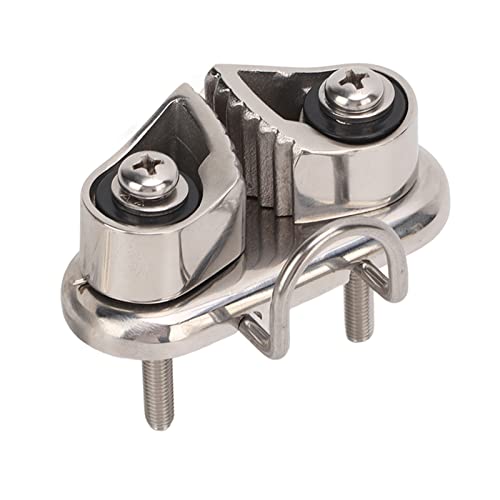
Cunyuer Cam Cleat with Wire Leading Ring, 316 Stainless Steel Mirror Polished Boat Rope Cleat, Sailboat Pilates Equipment for 10mm Rope
316 Stainless Steel: Crafted from marine grade 316 stainless steel, this cam cleat is exceptionally tough, withstands high…
As an affiliate, we earn on qualifying purchases.
As an affiliate, we earn on qualifying purchases.

Necmetu Snap Shackle 316 Stainless Steel Swivel Shackle Sailing Halyard, Quick Release Snap Hook Boat Shackles Sailboat Hardware for Sailing Rigging Shackles (2-3/4 Inch – 2Pcs)
Snap Shackle and quick release carabiner all made from AISI 316 stainless steel, increased strength and durability in…
As an affiliate, we earn on qualifying purchases.
As an affiliate, we earn on qualifying purchases.