TL;DR

Get sports gear delivered free with Prime
- Fast, free delivery on millions of items
- Prime Video, Amazon Music and more included
- Member-only deals all year
Stand-up paddleboarding combines balance, strength, and water awareness. Choosing the right board—inflatable or rigid—depends on your needs, activity, and storage. Safety gear like PFDs and leashes are vital for a safe experience.
Imagine gliding across a glassy lake at dawn, the water’s surface shimmering like a mirror. Or catching a gentle wave along a sun-drenched coast. That’s the thrill of stand-up paddleboarding (SUP)—a sport that’s as diverse as it is accessible.
If you’re curious about how to pick the right board, what gear you need, or how to stay safe, you’re in the right place. This guide breaks down everything you need to know to get started, improve, and enjoy paddleboarding—whether you’re chasing serenity or adrenaline.
Choose an inflatable or rigid paddleboard based on your storage needs and performance goals.
Match your board size and shape to your body type and planned activity for better stability and efficiency.
Prioritize safety gear—especially PFDs and leashes—tailored to your water conditions.
Start on calm water, using kneeling and short sessions to build confidence and skill.
Maintain your board with rinsing, inspecting, and proper storage to extend its lifespan.
What’s the Difference? Inflatable vs. Rigid Paddleboards
Choosing between an inflatable and a rigid paddleboard is the first step. Inflatable boards are like giant water balloons—lightweight, easy to pack, and surprisingly stiff when inflated. Rigid boards are solid, often made from foam, fiberglass, or epoxy, and give a more direct, responsive feel on the water.
Understanding why this difference matters helps you make a more informed decision. Inflatable boards are portable and convenient, ideal for travelers or those with limited storage space. However, they can sometimes feel less rigid, which might impact performance in certain activities like racing or surfing. Rigid boards, on the other hand, generally offer better responsiveness, stability, and glide, making them preferable for performance-oriented paddlers or long-distance touring. The tradeoff is that rigid boards are less portable and require more storage space and handling effort. Recognizing these implications ensures you select a board that aligns with your lifestyle and paddling goals, ultimately affecting your enjoyment and safety on the water.
As an affiliate, we earn on qualifying purchases.
How to Pick the Perfect Size & Shape for Your Goals
Size and shape are crucial because they directly influence stability, maneuverability, and efficiency—key factors that determine how well your paddleboard performs in your chosen activity. A larger, wider board offers more stability, which is essential for beginners or those practicing yoga, but can be less agile. Conversely, narrower and longer boards are designed for speed and tracking, making them ideal for touring or racing, but they require better balance and technique.
Why does this matter? Because choosing the wrong size or shape can lead to frustration, fatigue, or even safety issues. For example, a beginner on a narrow, long racing board might struggle with balance, increasing the risk of falls. On the other hand, a seasoned paddler using an overly wide, short board for a speed-focused activity might find it sluggish and inefficient. Matching your goals with the appropriate dimensions ensures your experience is enjoyable and safe, allowing you to develop skills confidently and pursue your preferred water activities with the right equipment.
The Art of Choosing the Right Paddle & Safety Gear
Your paddle is more than just a tool; it’s an extension of your body that influences your paddling efficiency and comfort. An ill-fitting paddle can cause fatigue, reduce control, and even lead to injury over time. Therefore, selecting a paddle that matches your height and paddling style is essential. Adjustable paddles offer versatility, accommodating different activities or multiple users, which can be a valuable investment if you’re still exploring your preferences.
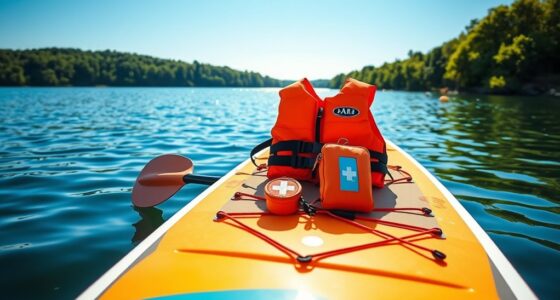
Safety gear isn’t just a checklist item; it’s a critical component of your paddling experience. A properly fitted personal flotation device (PFD) ensures buoyancy and confidence, especially in unpredictable conditions. Leashes prevent your board from drifting away—crucial in currents or waves—reducing the risk of losing your equipment or being separated from it in an emergency. Waterproof communication devices can be lifesavers if you need to call for help or inform someone of your location. Recognizing the importance of each safety element and understanding the implications of different gear choices helps you paddle more confidently and reduces risks in various water conditions.
Mastering the Basics: How to Get on Your Feet and Stay Balanced
Starting on your knees is like learning to ride a bike with training wheels. It provides a stable base to learn balance and control before attempting to stand. Transitioning smoothly from kneeling to standing is a critical skill that sets the foundation for confident paddling. When you’re ready, plant your feet shoulder-width apart, knees slightly bent, and focus on engaging your core muscles—this helps stabilize your body and maintain balance.
Imagine standing on a giant, slightly wobbly pancake—the surface is flat but inherently unstable. Using your core, rather than just your legs or arms, allows for better control and quicker adjustments to maintain your balance. Practicing shifting your weight side to side helps you understand how your body responds to different movements, which is vital for turning and maneuvering.
Why does this matter? Because mastering these basics prevents falls, reduces fatigue, and builds confidence. For example, spending time on a calm lake practicing these steps can accelerate your learning curve, making paddling more enjoyable and less intimidating.
Safety Must-Haves & How to Paddle Like a Pro
Safety isn’t just a checklist; it’s your shield against water mishaps and a way to enjoy paddling with peace of mind. Wearing a properly fitted PFD ensures buoyancy and can be the difference between a minor fall and a serious incident. When paddling in moving water or offshore, a leash is a non-negotiable safety feature—preventing your board from drifting away and reducing the risk of entanglement or separation in strong currents. Using quick-release leashes enhances safety by allowing easy detachment if snagged, minimizing injury risk. Additionally, carrying waterproof communication devices like phones or radios can be lifesaving, enabling you to call for help if needed.
Understanding when and where to use each safety device is crucial. For example, in open water or surf zones, a leash is essential, but in calm lakes, a quick-release leash might be safer to prevent entanglement. Recognizing the importance of preparedness and understanding the implications of your safety gear choices ensures you’re ready for unexpected situations, allowing you to paddle confidently in various conditions.
Getting the Most Out of Your Paddleboard: Tips & Tricks
Once you’re comfortable on your board, incorporating specific techniques can significantly improve your paddling efficiency and enjoyment. Switching sides regularly helps balance muscle use, preventing fatigue and overuse injuries, which can otherwise limit your paddling stamina. Focusing on rotating your torso with each stroke engages larger muscle groups—your core, back, and hips—making each paddle more powerful and conserving energy over longer distances.
Adjusting your paddle length is also key. If you find yourself leaning forward excessively or experiencing strain, your paddle might be too long or too short. A good rule of thumb is that your paddle should reach your wrist when your arm is extended overhead, ensuring optimal leverage and comfort. This subtle adjustment can reduce fatigue and improve your overall paddling rhythm.
Why does this matter? Because small, deliberate changes in technique and equipment setup can lead to more enjoyable outings, less exhaustion, and better progress in skill development. For example, experimenting with different strokes in a calm bay can reveal which movements feel most natural, helping you cover more ground with less effort and making paddling feel more effortless and fun.
Caring for Your Board & Extending Its Lifespan
Your paddleboard is an investment that rewards consistent care. Rinsing your board with fresh water after saltwater or muddy outings prevents corrosion, mold, and material degradation. Regularly inspecting the fin and leash for damage ensures safety and performance, as a damaged fin can affect tracking and stability. Proper storage—out of direct sunlight and in a cool, dry place—prevents warping, fading, and material weakening, which can compromise your board’s integrity over time.
Inflatable boards should be deflated, rolled carefully, and stored in a breathable bag or cool space to prevent mold and material fatigue. Rigid boards benefit from gentle cleaning with mild soap and water, and periodic checks for cracks or chips can prevent small issues from becoming costly repairs. These maintenance practices are essential because neglecting them can shorten your board’s lifespan and compromise safety, leading to unexpected failures or costly replacements.
For example, after a salty surf session, thorough rinsing and proper storage can significantly extend your board’s lifespan, ensuring many seasons of paddling enjoyment.
Latest Trends & Innovations in Paddleboarding
The paddleboarding world is constantly evolving, driven by technological advances and innovative design. Recent trends include ultra-lightweight inflatables that are easier to transport without sacrificing durability, and hull shapes optimized for specific activities such as yoga, fishing, or racing. These innovations enhance performance, comfort, and versatility, allowing paddlers to tailor their watercraft to their preferences.
Manufacturers are also integrating tech features like GPS, tracking systems, and app connectivity into some boards, providing data on distance, speed, and navigation—helping paddlers train smarter and explore more confidently. For example, a touring paddleboard with a carbon fiber core offers a stiff, lightweight ride, making long-distance paddling less tiring and more enjoyable. Meanwhile, accessories such as adjustable kayak seats or non-slip decks are making boards more adaptable for different activities, increasing their utility and fun factor.
Understanding these trends helps paddlers choose equipment that aligns with their interests and goals, whether they’re chasing waves, exploring remote lakes, or engaging in fitness routines. Staying informed about the latest innovations ensures you get the most out of your paddling experience and keeps the sport exciting and accessible for all.
Your Top Questions About Paddleboarding Answered
Many newcomers ask if SUP is hard to learn. Most find basic paddling simple on calm water, but factors like water conditions, balance, and fitness level influence the learning curve. Understanding these factors helps set realistic expectations and guides your practice focus.
Inflatable versus rigid? Inflatable boards are easier to store and transport, making them ideal for casual paddlers and travelers. Rigid boards, however, tend to offer better responsiveness, glide, and stability, which benefits performance-focused paddlers and those seeking a more dynamic ride. Recognizing these differences helps you choose the right equipment for your skill level and activity.
Size is another important consideration. For beginners, an 11-12 foot, wide board provides stability and confidence, but as your skills grow, switching to narrower, longer boards can improve speed and efficiency. Safety gear like PFDs and leashes are universally recommended, especially in open water or currents, to enhance safety and peace of mind. Always check local regulations to ensure compliance and preparedness.
Clothing choices depend on water temperature and weather. Wetsuits or thermal layers prevent hypothermia in cold water, while swimsuits are sufficient in warm climates. Proper inflation—using a quality pump and following manufacturer guidelines—ensures your board performs optimally and lasts longer. Many boards now feature attachment points or non-slip decks for activities like fishing or yoga, broadening your options. Budget-wise, expect to spend anywhere from $500 to $2,500 depending on features and brand preferences.
Finally, paddling locations vary. Always verify local access rules, permits, and water conditions to enjoy your paddling adventures safely and legally. Being informed helps you maximize your enjoyment and avoid unnecessary hassles or risks.
Conclusion
Stand-up paddleboarding offers a mix of serenity and adventure—your perfect escape on water. The key is to pick the right gear, stay safe, and practice regularly. Before long, you’ll be gliding across lakes or riding gentle waves with confidence.
Remember—every fall is just part of learning. Keep your focus on the water, enjoy the journey, and let each paddle stroke bring a new sense of calm and accomplishment. So, what’s stopping you from taking that first step onto your board?
Halloween Picks
halloween
As an affiliate, we earn on qualifying purchases.