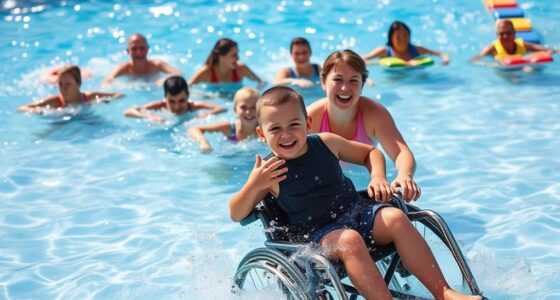
Simulating ocean rip currents for lifeguard training helps you understand current behaviors and improve rescue skills in a safe environment. It allows you to practice identifying rip current zones, recognize warning signs, and develop effective rescue techniques for various flow strengths. By simulating real-life scenarios, you’ll build confidence and response efficiency. Continuing with these methods will enhance your ability to save lives during actual emergencies and deepen your understanding of rip current dynamics.
Key Takeaways
- Enables realistic practice of rescue techniques in various rip current flow strengths and conditions.
- Enhances ability to identify rip current zones through simulated signs and behaviors.
- Improves team coordination, communication, and decision-making during emergency scenarios.
- Supports understanding of rip current physics to predict and prevent incidents effectively.
- Provides a safe environment for practicing rescue equipment deployment and risk management.
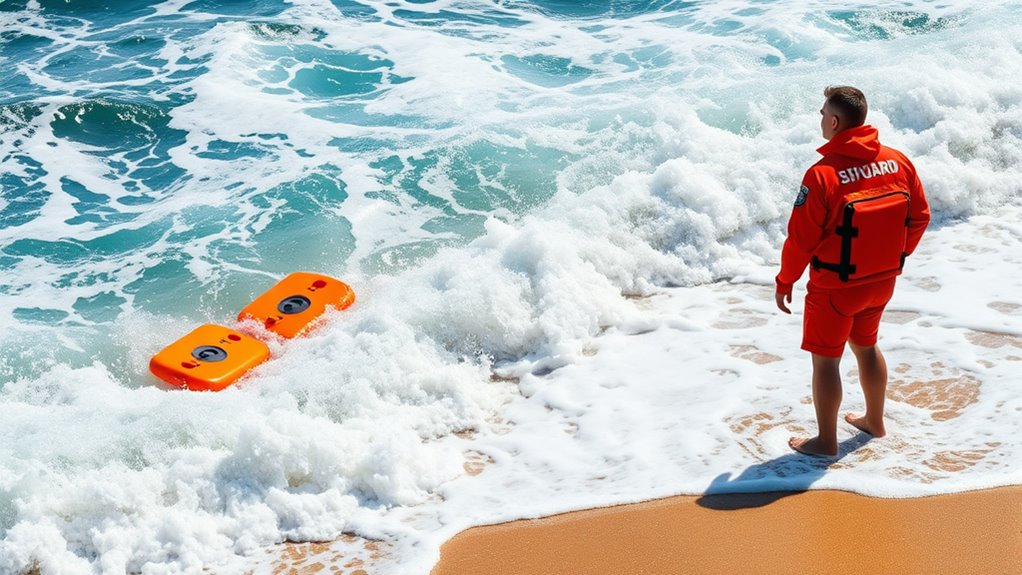
Understanding ocean rip currents is essential for safety and research, and simulation plays a critical role in studying these powerful phenomena. As a lifeguard or someone involved in water safety, you know that rip currents are among the most dangerous hazards swimmers face at the beach. They can quickly pull a person away from shore, creating panic and confusion. Proper training in swimming safety and rescue techniques is vital to effectively respond to rip current incidents. Simulating these currents allows you to practice in a controlled environment, gaining experience that is difficult to replicate in real-life emergencies.
Understanding rip currents is crucial for safety and research, and simulation helps practitioners prepare effectively.
Using advanced simulations, you can recreate different rip current scenarios, from weak to strong flows, and observe how they behave under various conditions. This hands-on approach helps you understand the dynamics of rip currents, including how they form, how fast they can move, and where they are most likely to occur. By experiencing these simulations firsthand, you develop better intuition for identifying rip current zones and educating beachgoers about swimming safety. Recognizing the signs of rip currents—like differences in water color, foam, or break patterns—becomes easier when you’ve practiced spotting them in simulated environments.
Additionally, simulation-based training enhances rescue techniques, making you more confident when performing actual rescues. When someone gets caught in a rip current, the most effective response is often to advise them to swim parallel to the shoreline until they escape the current’s pull, then head back to shore. Practicing this maneuver in realistic simulations ensures you’re prepared to guide distressed swimmers safely and efficiently. Simulations also teach you how to deploy rescue equipment properly, whether it’s rescue tubes, buoyant devices, or reaching assists, minimizing risk to yourself during rescue operations.
Beyond individual skills, simulation helps teams coordinate during emergencies. You learn how to communicate clearly, organize rescue efforts, and prioritize actions—all essential for effective response. The immersive nature of simulation fosters quick decision-making and reinforces the importance of staying calm under pressure. This training is especially valuable because it bridges the gap between theoretical knowledge and real-world application, making you more capable of handling unpredictable situations involving rip currents. Moreover, understanding the physics of water flow involved in rip current formation can improve your predictive skills during actual beach patrols.
In essence, simulating ocean rip currents isn’t just about understanding the science; it’s about translating that knowledge into life-saving skills. It improves your ability to ensure swimming safety by recognizing hazards early and executing rescue techniques confidently. With regular practice through simulations, you become better equipped to protect yourself and others, turning theoretical knowledge into practical readiness when it truly counts.

Rescue Randy – Soft Rescue Manikin
Training Dimensions: 6 foot 1 inch height with realistic 55 pound weight for lifelike handling
As an affiliate, we earn on qualifying purchases.
As an affiliate, we earn on qualifying purchases.
Frequently Asked Questions
How Accurately Do Simulations Replicate Real-Life Rip Current Behavior?
You wonder how well simulations replicate real rip current behavior. They can be quite accurate, but sensor accuracy plays a key role in capturing precise data. Environmental variability, like changing tide and wave conditions, makes perfect replication difficult. While simulations provide valuable insights, they may not always account for every dynamic factor. Still, with advanced sensors and real-time adjustments, they help you better understand and anticipate rip current dangers.
Can Simulations Adapt to Different Ocean Conditions and Weather Patterns?
You wonder if simulations can adapt to different ocean conditions and weather patterns. With adaptive modeling, these simulations can adjust parameters based on real-time data, making them versatile for varying weather variability. This allows you to experience more realistic rip current scenarios under diverse conditions. By incorporating weather variability, the simulations become more effective training tools, helping you better prepare for the unpredictable nature of ocean environments.
What Is the Cost of Implementing Ocean Rip Current Simulation Systems?
When considering the cost of implementing ocean rip current simulation systems, you should conduct a thorough cost analysis. Technology expenses include advanced hardware, software development, and maintenance, which can vary based on system complexity. You’ll need to factor in initial setup costs and ongoing updates. While these investments can be significant, they enhance training safety and effectiveness. Be prepared for variability depending on the simulation’s realism and scalability.
How Do Trainees Respond to Virtual Simulations Compared to Real-World Scenarios?
Imagine stepping into a lifeguard’s shoes—virtual simulations evoke strong emotional engagement, sharpening your decision-making processes. You find that trainees often respond more confidently and quickly in simulated scenarios, but real-world experiences still hold unique challenges. While virtual training boosts preparedness, it’s essential to combine it with actual practice. This blend enhances emotional response and decision accuracy, ensuring you’re ready when every second counts in an actual rip current rescue.
Are There Any Limitations to Current Ocean Rip Current Simulation Technologies?
You might notice that current ocean rip current simulations face limitations due to hardware constraints, which can restrict realism and interactivity. Software limitations also affect the accuracy of wave and current modeling, making scenarios less authentic. These technical challenges mean you may not fully experience the unpredictable nature of rip currents, potentially impacting training effectiveness. Improving hardware and software will be key to creating more realistic, reliable simulations for better preparedness.

Kemp USA 40-Inch Lifeguard Rescue Tube with Reinforced Strap and Reach Assist Loop Durable Throwable Flotation Device Red Safety Buoy for Pool Beach Waterpark Training and Rescue Use
PROFESSIONAL 40-INCH RESCUE TUBE DESIGN – Designed for lifeguards and aquatic safety personnel, this 40-inch rescue tube provides…
As an affiliate, we earn on qualifying purchases.
As an affiliate, we earn on qualifying purchases.
Conclusion
Think of these simulations as your lighthouse in the storm, guiding you safely through the treacherous waters of real rip currents. Just as a lighthouse warns sailors of hidden dangers, this training sharpens your instincts and skills, so you can navigate danger confidently. When you face real rip currents, you’ll be the steady hand guiding others to safety, much like a beacon cutting through the chaos, ensuring everyone reaches shore alive and well.

Kit Water Effects Light Ocean Wave Ripple LED 12V DC for Theatrical Costumes Scenery Escape Rooms
This kit is used for water wave ripple special effects projects for themed entertainment.
As an affiliate, we earn on qualifying purchases.
As an affiliate, we earn on qualifying purchases.
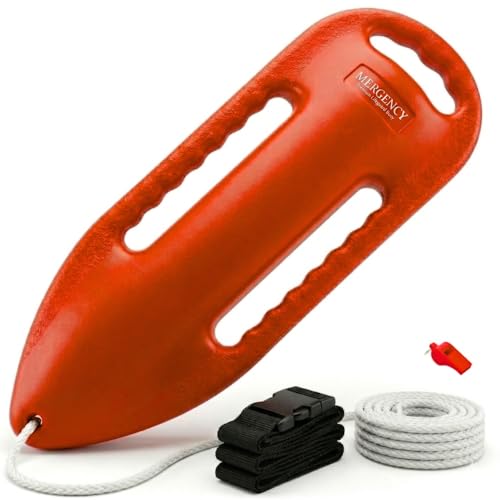
Mergency Lifeguard Float | Professional Rescue Can | Open Water Swim Buoy | Lifeguard Rescue Can (Orange Beacon)
🚩| Quality | This lifeguard floatation device is made from the highest grade polyethylene which will resist exposure…
As an affiliate, we earn on qualifying purchases.
As an affiliate, we earn on qualifying purchases.