
To use a HEPA air scrubber correctly during renovation, place it centrally in the room, away from furniture, with doors open for better airflow. Confirm the filters are true HEPA and replace them as needed. Run the scrubber continuously during dust-generating activities and keep it on for several hours afterward. Proper placement, sealing the renovation area, and maintaining the unit will keep the air clean. If you want to master the details, keep exploring the essential tips further.
Key Takeaways
- Place the HEPA air scrubber centrally, away from obstructions, and near dust entry points for maximum effectiveness.
- Seal off the renovation area with plastic sheeting to contain dust and improve filtration efficiency.
- Run the scrubber continuously during dust-generating activities and for several hours afterward to ensure air quality.
- Regularly check and replace filters, and clean vents to maintain optimal performance and airflow.
- Adjust fan speed based on dust levels and room size, and keep doors open to promote better air circulation.
HEPA air scrubber for renovation dust
As an affiliate, we earn on qualifying purchases.
As an affiliate, we earn on qualifying purchases.
Why a HEPA Air Scrubber Is Essential for Renovation Dust

During renovation projects, dust particles become airborne easily, spreading throughout your space and settling into every nook and cranny. A HEPA air scrubber is essential for maintaining good air quality and effective dust control. It captures tiny particles, including allergens, mold spores, and construction debris, that traditional filters might miss. By continuously filtering the air, it prevents dust from lingering and reduces the risk of respiratory issues. Additionally, using a HEPA air scrubber can help mitigate the impact of allergens, which is crucial for sensitive individuals. Proper maintenance of the scrubber, including regular filter changes, ensures it operates at peak efficiency. Furthermore, using essential oils like eucalyptus oil can enhance the overall air quality by providing additional respiratory support. Without a HEPA scrubber, dust can settle on furniture, walls, and surfaces, making cleanup more difficult and prolonging the mess. Using one guarantees your environment stays cleaner, healthier, and safer during the renovation process. Investing in a HEPA air scrubber is the best way to control airborne dust and protect your indoor air quality effectively. Furthermore, maintaining optimal air quality during renovations can significantly enhance your overall comfort and health, as cycling skills can promote better breathing and physical well-being.
How to Choose the Best HEPA Air Scrubber for Your Renovation
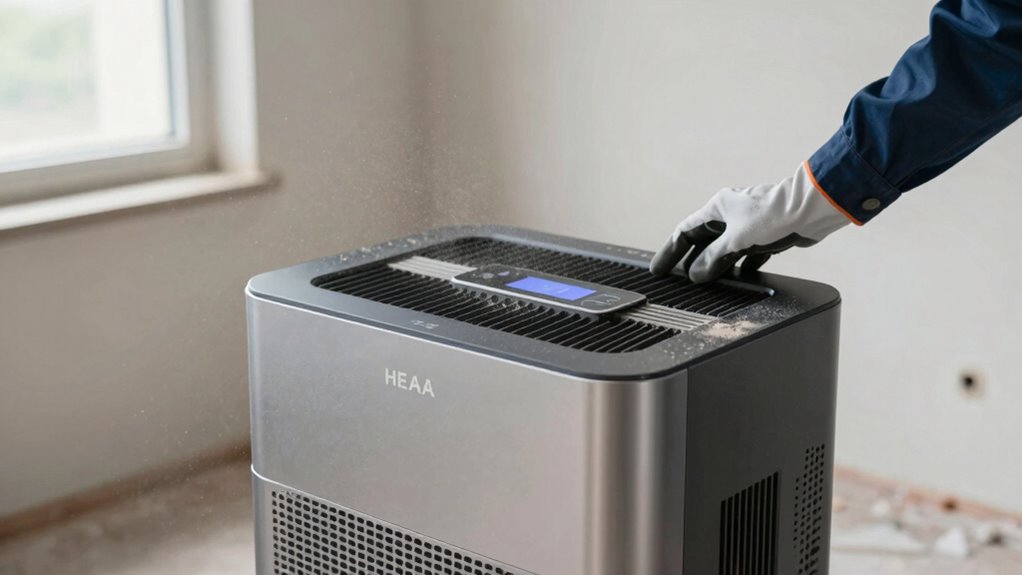
Choosing the right HEPA air scrubber for your renovation can greatly impact your project’s success and your health. To ensure optimal air quality and filtration efficiency, consider these key factors:
- Coverage Area: Match the scrubber’s capacity to the size of your space for effective air cleaning. Understanding the importance of proper ventilation during renovations can also help mitigate dust buildup. Additionally, ensuring adequate airflow rates can enhance the overall effectiveness of the air scrubber.
- Filtration Efficiency: Look for units with true HEPA filters capturing 99.97% of particles as small as 0.3 microns.
- Airflow Rate: Higher CFM (cubic feet per minute) means faster removal of dust and airborne contaminants.
- Portability and Noise: Choose a lightweight model that operates quietly, so you can run it continuously without disruptions. Additionally, incorporating NEAT principles during your renovation can further enhance your overall health and air quality.
How to Set Up Your HEPA Air Scrubber for Renovation Dust
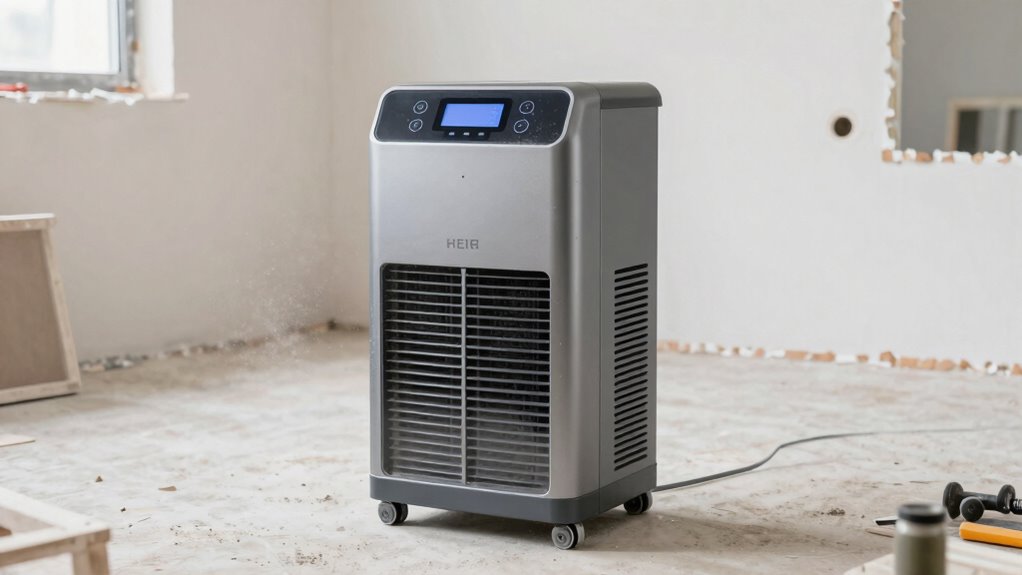
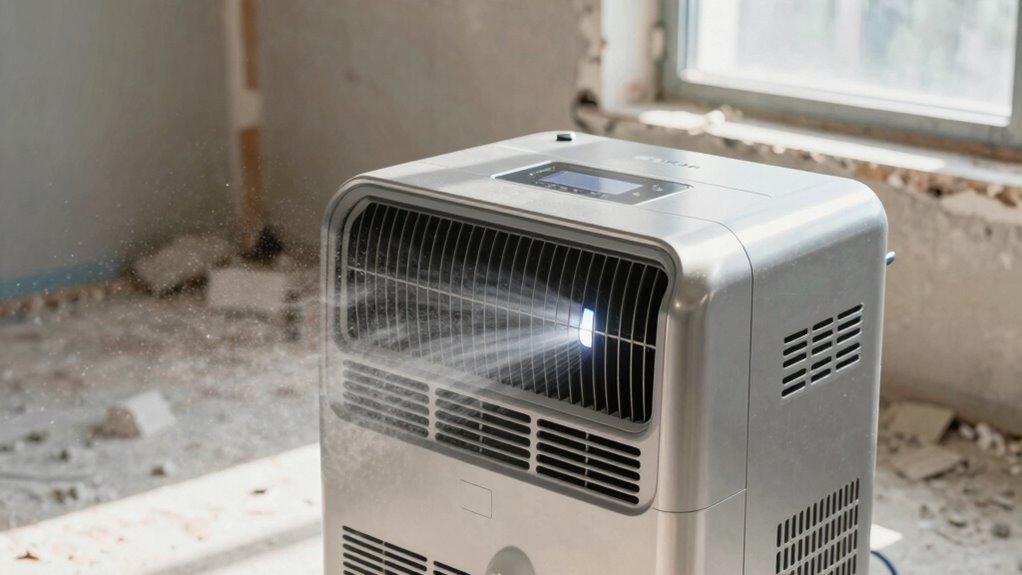
Start by placing your HEPA air scrubber in a central, unobstructed spot where it can effectively circulate the air. Make sure to seal off the renovation area to prevent dust from escaping, and set the fan speed high enough to filter the air quickly. Incorporating effective noise reduction solutions can further enhance your living environment by minimizing disturbances during renovations. Additionally, consider using natural filtration systems to improve overall air quality while you work. Adjust the settings based on the level of dust and size of the space for best cleanup.
Choose Proper Placement Spot
To guarantee your HEPA air scrubber effectively captures renovation dust, you need to place it strategically within the space. Proper placement maximizes airflow and filtration.
Consider these tips:
- Position the scrubber away from furniture to avoid blockages and ensure unobstructed airflow.
- Place it near windows but not directly against them, allowing it to capture dust entering or exiting.
- Keep it elevated on a stable surface to improve circulation. Additionally, using top car protection can help maintain a clean environment during renovation work. By ensuring proper airflow management, you enhance the scrubber’s efficiency in filtering out harmful particles.
- Avoid corners or tight spaces where airflow might be restricted.
Additionally, using a smart air filtration system can enhance your overall home organization by ensuring cleaner air during renovation projects.
Seal Off Renovation Area
Sealing off the renovation area is essential to prevent dust from spreading throughout your home. Use plastic sheeting or painter’s tape to cover doorways, vents, and windows, creating a tight barrier. This containment helps keep dust, paint fumes, and other debris localized, making cleanup easier. Pay special attention to moisture control, as excess humidity can cause dust particles to settle differently or promote mold growth. Secure any gaps around pipes or electrical outlets to guarantee dust doesn’t escape. Proper sealing minimizes contamination of other living spaces and improves the efficiency of your HEPA air scrubber. Remember, the tighter the seal, the better your air scrubber can do its job of removing airborne particles and maintaining a safer environment during renovation. Additionally, incorporating Bosu balance training can help improve your overall stability and strength, making it easier to navigate renovation tasks safely.
Set Correct Fan Speed
Set Correct Fan Speed (How to Set Up Your HEPA Air Scrubber for Renovation Dust)
Setting the correct fan speed on your HEPA air scrubber is essential for effectively capturing dust and airborne particles during renovation. A higher fan speed improves air quality by filtering more dust quickly, but it also increases noise levels, which can be disruptive. To find the right balance, consider these factors:
- Room size and dust level – Larger spaces or heavy dust require higher speeds.
- Noise sensitivity – Lower speeds reduce noise, ideal for occupied areas.
- Air quality goals – Aim for maximum filtration during peak dust periods.
- Operational hours – Run at higher speeds during active work, lower when quiet is needed.
Adjusting the fan speed properly ensures best possible air quality while keeping noise levels manageable. Additionally, using a HEPA air scrubber can significantly reduce airborne particle levels in your workspace, enhancing overall safety and comfort. Effective filtration systems, such as HEPA filters, are crucial for maintaining optimal indoor air quality during renovations. Moreover, properly managing microplastics in dust can help enhance the overall effectiveness of your air scrubber. Remember that maintaining optimal air quality during renovations helps create a healthier environment for everyone involved.
Tips for Effectively Operating Your HEPA Air Scrubber During Renovation
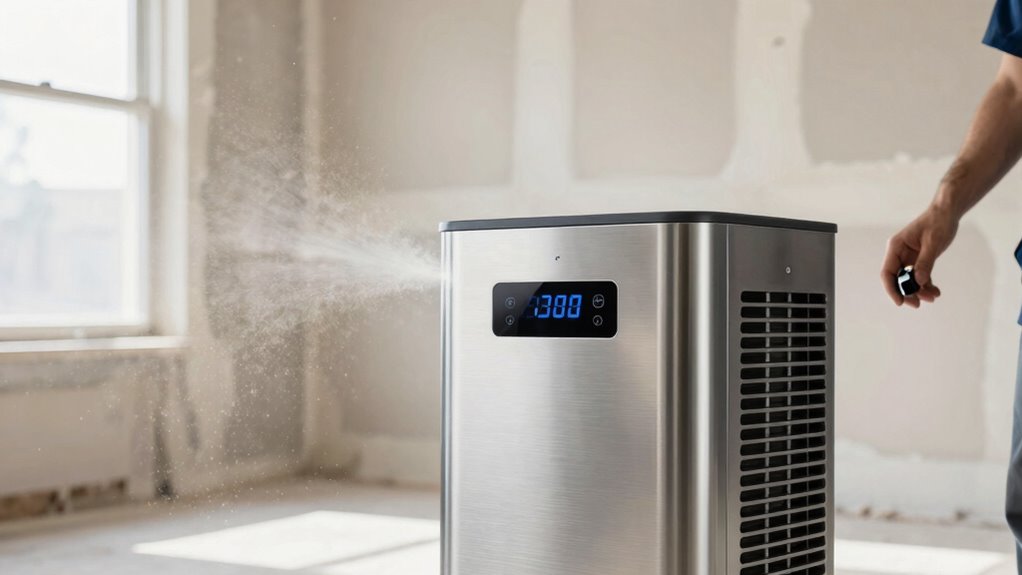
Operating your HEPA air scrubber effectively during renovation is essential for maintaining good air quality and minimizing dust spread. To maximize filtration efficiency, place the unit in central locations and keep doors open to allow better air circulation. Regularly check and replace filters as needed to guarantee peak performance. Using a HEPA air scrubber can significantly reduce storm anxiety in pets, especially during noisy renovations. Additionally, many investors find that precious metal IRA options can provide a sense of security during home projects. Use the highest fan setting if dust levels are high, but avoid overworking the unit. Keep the scrubber away from obstructions that could hinder airflow. Monitor air quality with a sensor or by observing dust accumulation. Additionally, ensure that you are aware of proper rug cleaning techniques to prevent further contamination.
| Placement | Filter Maintenance | Fan Speed |
|---|---|---|
| Central location | Replace when dirty | Use high setting |
| Away from obstructions | Follow manufacturer guidelines | Switch to lower when quiet needed |
| Near dust sources | Regularly inspect filters | Adjust based on dust levels |
How Long Should You Run the Air Scrubber During Your Project?
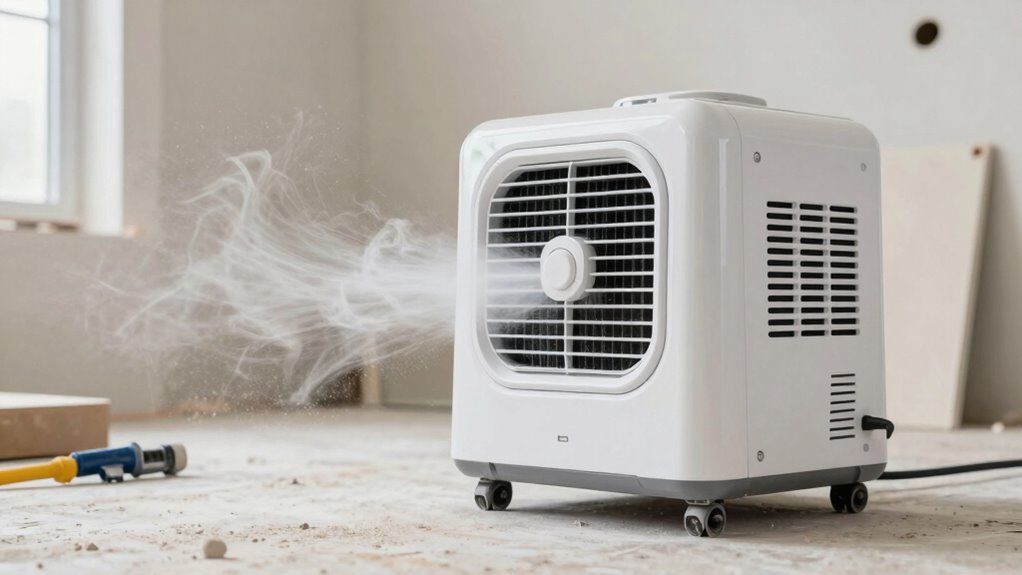
You should run the air scrubber long enough to substantially reduce dust and airborne particles, often for at least 24 to 48 hours after major work. The ideal runtime depends on factors like the size of the space, the amount of dust generated, and the scrubber’s capacity. Keep monitoring air quality to determine when it’s safe to turn off the device. Additionally, using a HEPA filter can significantly enhance the effectiveness of your air scrubber.
Recommended Operating Duration
How long should you run the air scrubber during your project? The duration depends on your goal for air quality and dust containment. Generally, running the scrubber continuously during active work and for several hours afterward guarantees ideal results. To help visualize, consider these guidelines:
- Keep it on during all renovation activities involving dust.
- Run it for at least 2-4 hours after dust-generating tasks stop.
- Increase runtime if working in confined or poorly ventilated spaces.
- Continue running until dust levels are markedly reduced, and air quality tests confirm safe levels.
Consistent operation ensures the air scrubber effectively reduces airborne particles, maintaining a cleaner environment and preventing dust from settling elsewhere. Additionally, using a HEPA air filter can enhance the air scrubber’s efficiency in capturing smaller particles. Incorporating proper ventilation during your renovation can also help improve overall air quality and reduce the need for prolonged air scrubber use.
Factors Influencing Runtime
The duration you should run your air scrubber depends on several factors that influence dust levels and air quality. The size of your space impacts how long you need to operate the unit—larger areas require more runtime for effective dust filtration. The amount of dust generated during renovation also plays a role; more debris means longer operation to maintain ideal air quality. Additionally, the intensity of the work influences dust levels, so expect to run the scrubber longer during heavy sanding or demolition. The air exchange rate in your space affects how quickly dust is removed. Ultimately, monitoring dust levels and air quality is key. Running the air scrubber until dust filtration is noticeable and air quality improves ensures a safer, cleaner environment during and after your project.
Maintaining and Cleaning Your HEPA Air Scrubber for Longevity
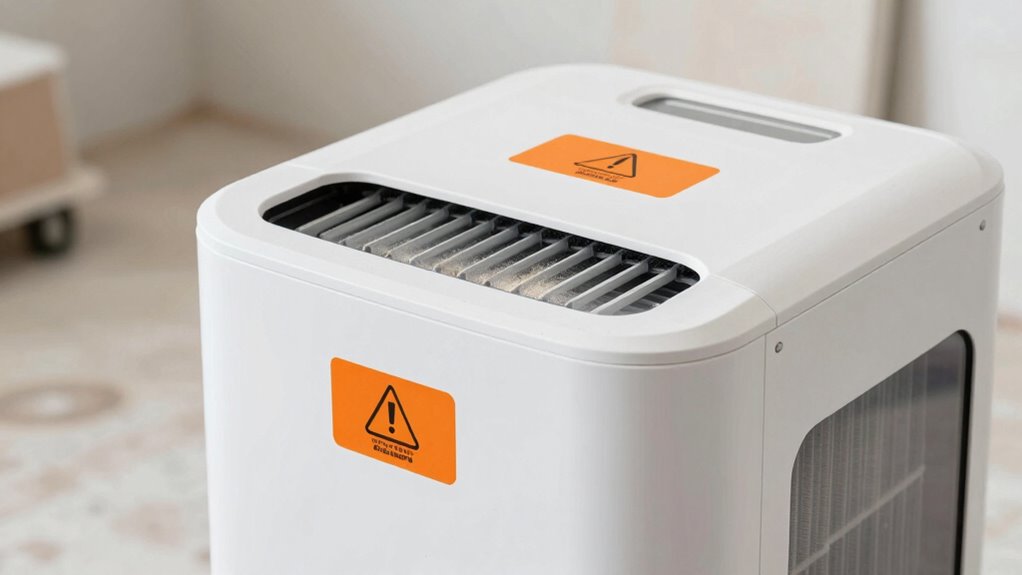
Regular maintenance and cleaning are essential to keep your HEPA air scrubber functioning effectively and prolong its lifespan. Proper care guarantees ideal air filter maintenance and prevents buildup that can impair performance. To maintain your unit:
- Regularly check and clean pre-filters to remove dust and debris.
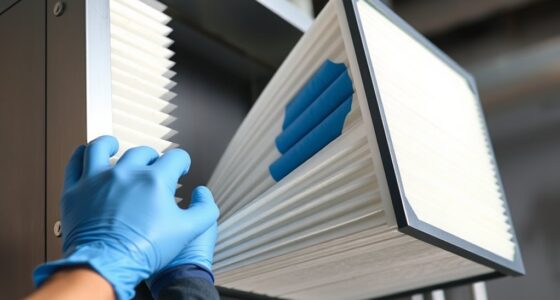
- Replace the HEPA filter as recommended—usually every 6 to 12 months—depending on usage.
- Inspect for dust accumulation around vents and clean with a damp cloth.
- Power off and unplug the unit before performing any maintenance to guarantee safety.
Troubleshooting Common Issues With Your HEPA Air Scrubber
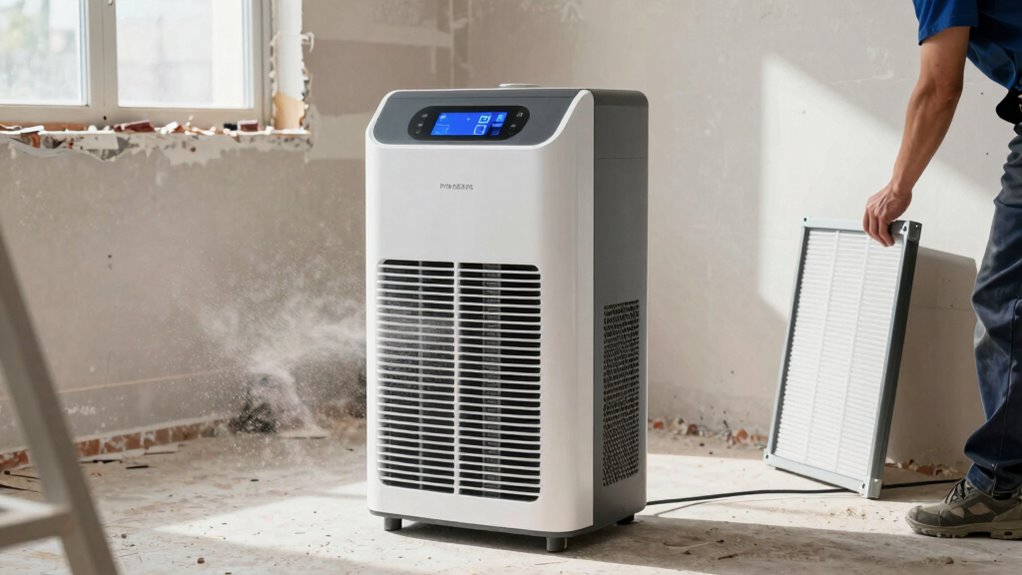
Even with proper maintenance, your HEPA air scrubber can encounter issues that hinder its performance. If you notice decreased airflow or strange noises, check for clogged filters or obstructions in the intake or exhaust vents. Poor air quality might also stem from incorrect placement or a full filter needing replacement. Confirm the unit is positioned in a central location for ideal air circulation. If mold prevention seems ineffective, verify that the filter is properly installed and functioning correctly, as mold spores can bypass poorly maintained filters. Regularly inspecting and replacing filters helps maintain peak performance, ensuring your air quality remains high. Troubleshooting these common issues keeps your HEPA air scrubber working efficiently and supports a healthier, mold-free environment during renovation.
How to Keep Your Air Safe and Clean After Renovation
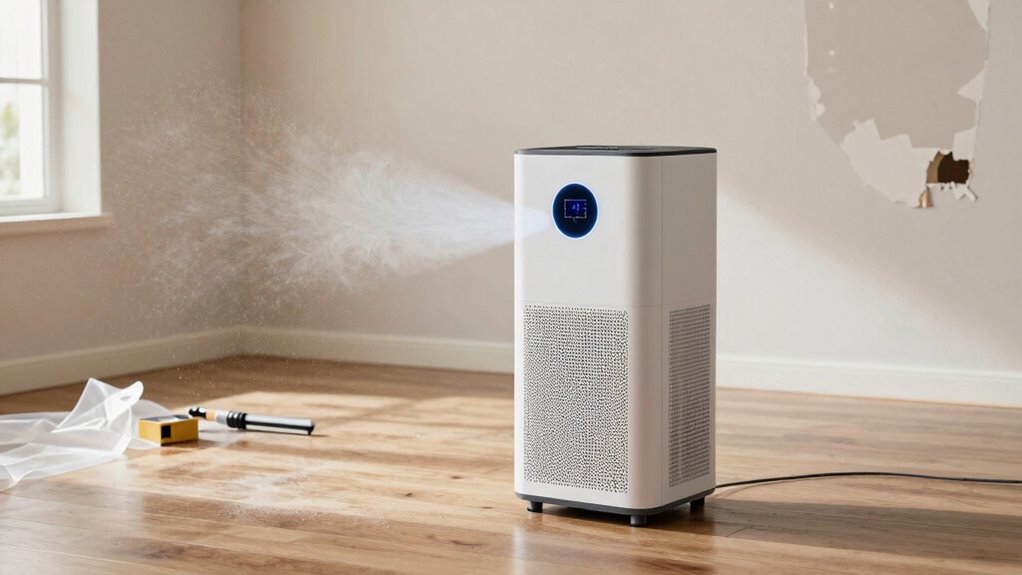
After completing renovation, taking steps to keep your air safe and clean is essential for maintaining a healthy environment. You want to reduce lingering dust, paint fumes, and airborne particles from decorative finishes. Here’s what you can do:
- Ventilate the space thoroughly by opening windows and using exhaust fans.
- Continue running your HEPA air scrubber to capture residual dust and allergens.
- Clean surfaces regularly with a damp cloth to remove settled dust and debris.
- Allow paint fumes to dissipate by keeping the area well-ventilated for several days.
Frequently Asked Questions
Can I Use a HEPA Air Scrubber in a Small Room?
Yes, you can use a HEPA air scrubber in a small room. Just consider the room size and air circulation; a compact space might require a smaller or less powerful unit to avoid overloading the filter. Make certain proper air circulation by keeping doors open or using fans. This helps the scrubber work efficiently, capturing renovation dust without causing discomfort or noise issues, making your space healthier and cleaner.
How Often Should I Replace the HEPA Filter?
Did you know HEPA filters can trap 99.97% of particles down to 0.3 microns? You should replace your HEPA filter every 6 to 12 months, depending on usage and dust levels. Regular filter maintenance makes certain your air scrubber functions safely and efficiently. Ignoring filter replacement can compromise air scrubber safety, so keep an eye on performance and replace filters promptly to maintain clean air during your renovation.
Is Noise From the Air Scrubber a Concern During Renovation?
Noise concerns during renovation are valid, but most HEPA air scrubbers produce manageable noise levels. To minimize disruption, you can choose models with noise mitigation features or operate the unit during less critical times. Using a timer or placing the scrubber in a less sensitive area also helps. Proper placement and maintenance guarantee effective air purification without creating excessive noise, keeping your workspace safer and more comfortable.
Can a HEPA Air Scrubber Remove All Renovation Dust?
You might find it surprising, but a HEPA air scrubber can’t remove all renovation dust. It substantially improves air quality and aids dust containment, trapping tiny particles that other filters miss. However, some dust settles quickly on surfaces, so regular cleaning is still necessary. Using the scrubber consistently during your renovation creates a cleaner environment, making dust less of a concern and helping you breathe easier throughout the project.
Do I Need Professional Help to Operate the Air Scrubber Properly?
You don’t need professional help to operate a HEPA air scrubber properly for a DIY setup, but it’s important to follow the manufacturer’s instructions carefully. Regularly check filters and guarantee proper placement for maximum effectiveness. If you encounter issues or want to ensure peak performance during extensive renovations, consider professional maintenance. Proper operation reduces dust, improves air quality, and makes your renovation safer and more comfortable.
Conclusion
Using a HEPA air scrubber is essential for keeping renovation dust at bay, protecting your health, and maintaining a clean space. While some might think it’s an extra hassle or expense, proper setup and operation actually save you time and effort in the long run. Investing in the right equipment and knowing how to use it correctly guarantees your air stays safe and clean, making your renovation project smoother and less stressful.