High humidity can worsen your allergy symptoms by creating a perfect environment for mold and dust mites. When indoor humidity exceeds 50%, allergens thrive, making it hard for you to breathe comfortably. To maintain ideal levels, keep indoor humidity between 30% and 50%. Using dehumidifiers and air conditioning can help regulate moisture and filter out allergens. Staying proactive about your indoor climate can enhance your overall health and comfort, with more tips and strategies to follow.
Key Takeaways
- Higher humidity levels (>50%) promote the growth of dust mites and mold, exacerbating allergy symptoms like sneezing and itchy eyes.
- Maintaining indoor humidity between 30% and 50% helps reduce airborne allergens and improve overall comfort.
- Using dehumidifiers and air conditioning can effectively regulate indoor moisture and minimize allergen exposure on humid days.
- Regular cleaning of HVAC systems and changing filters are essential for trapping allergens and maintaining optimal indoor air quality.
- Proactive humidity management contributes to long-term health and alleviates allergy-related disruptions in daily life.

When humidity rises, it can trigger a cascade of allergy symptoms you might not expect. You may notice increased sneezing, itchy eyes, or even difficulty breathing. This is largely due to the way higher humidity levels impact airborne allergens like dust mites, mold spores, and pollen. These allergens thrive in damp conditions, making your home a prime breeding ground when the humidity climbs. Consequently, you might find yourself battling allergies more fiercely during the humid months than at any other time of the year.
Indoor climate control plays a vital role in managing these symptoms. By maintaining ideal humidity levels, you can considerably reduce the presence of airborne allergens in your living space. Ideally, you want to keep humidity between 30% and 50%. When it exceeds that range, it creates a perfect environment for mold and dust mites, both notorious for exacerbating allergy symptoms. If you’ve ever noticed mold growing in your bathroom or on window sills, it’s a telltale sign that your indoor humidity might be too high.
Using a dehumidifier is one effective way to combat excess moisture. It can help you regulate indoor humidity, making your home less hospitable to allergens. Regularly checking and adjusting your indoor climate can make a world of difference. Additionally, make sure to clean and maintain your HVAC system, as it can harbor allergens if not properly serviced. Regular filter changes can also help trap those pesky airborne particles that contribute to your allergy woes.
It’s also wise to monitor the weather and adjust your indoor climate as needed. On especially humid days, close windows and use air conditioning instead of fans to circulate air. This keeps the humid outdoor air from sneaking in while filtering out allergens. If you’re spending time in specific rooms, consider using portable air purifiers. They can effectively reduce the concentration of airborne allergens, allowing you to breathe easier.
Don’t forget about your home’s fabrics, either. Regular washing of bedding, curtains, and upholstery can help eliminate dust mites and other allergens. Keep in mind that a proactive approach to humidity control doesn’t just help with allergies; it can also improve your overall comfort and health. With a little effort in controlling humidity, you can create a more enjoyable living environment and markedly reduce allergy symptoms that may disrupt your daily life. Furthermore, investing in sizing and load-planning tools can aid in selecting the right equipment to manage indoor climate effectively.
dehumidifier for allergy relief
As an affiliate, we earn on qualifying purchases.
As an affiliate, we earn on qualifying purchases.
Frequently Asked Questions
How Can I Measure Indoor Humidity Levels Effectively?
To measure indoor humidity levels effectively, use a hygrometer. Make sure it’s calibrated correctly for accurate readings. Place the device in a central location away from drafts or direct sunlight. You can also invest in humidity control devices, like dehumidifiers or humidifiers, to maintain ideal levels. Regularly check and adjust your humidity settings based on the hygrometer’s readings to create a comfortable environment in your home.
What Are the Ideal Humidity Levels for Allergy Sufferers?
For allergy sufferers, the sweet spot for humidity control is between 30% and 50%. Staying within this range helps prevent pesky pests and mold, both of which can trigger reactions. You’ll find that maintaining ideal humidity levels can greatly enhance allergy prevention efforts. Use dehumidifiers or humidifiers as needed, and keep an eye on your indoor environment to guarantee comfort and health. Don’t let high humidity hinder your happiness!
Can Dehumidifiers Worsen Allergies in Some Cases?
Yes, dehumidifiers can worsen allergies in some cases. If you don’t keep up with dehumidifier maintenance, dust and mold could build up inside, becoming allergy symptom triggers. Additionally, excessively low humidity can dry out your nasal passages, making you more susceptible to irritation and infections. It’s crucial to find a balance and regularly clean your dehumidifier to guarantee it helps rather than hinders your allergy management.
How Often Should I Check Humidity Levels in My Home?
You should check humidity levels in your home like you’d check the weather before a picnic—regularly and with caution. Ideally, you’ll want to monitor it daily, especially in humid months. Using humidity sensors and smart thermostats can help automate this process, giving you accurate readings without constant effort. Keeping an eye on those levels guarantees a comfortable environment and can help manage allergy symptoms effectively.
Are There Specific Plants That Help Regulate Indoor Humidity?
Yes, certain indoor plants can help regulate humidity effectively. Peace lilies, spider plants, and Boston ferns are great options. These plants release moisture into the air through a process called transpiration, which enhances indoor humidity levels. By adding a few of these greenery pieces to your space, you’ll not only improve air quality but also create a more comfortable environment. Just be sure to care for them properly to maximize their humidity regulation benefits!

GermGuardian HEPA Air Purifier for Home, Large Rooms – 743 Sq. Ft. with HEPA Air Filter, UV-C Light & Odor Reduction, AC4825E, 22" Tower, Gray
TRUE HEPA 3-LAYER PROTECTION: HEPA filter captures 99.97% of smoke, dust, pollen, and pet dander as small as…
As an affiliate, we earn on qualifying purchases.
As an affiliate, we earn on qualifying purchases.
Conclusion
In summary, keeping humidity levels between 30% and 50% can considerably help reduce allergy symptoms. Did you know that nearly 20 million adults in the U.S. suffer from hay fever, which can be exacerbated by high humidity? By maintaining ideal humidity, you not only create a more comfortable environment but also minimize allergens like mold and dust mites. So, take charge of your indoor air quality and breathe easier all year round!
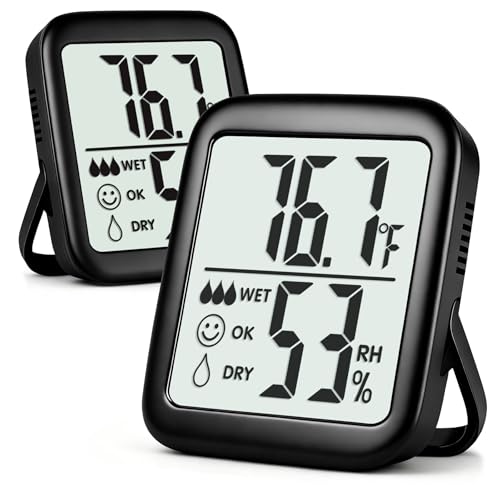
Antonki 2 Pack Room Thermometer for Home, Hygrometer Indoor Humidity Meter Gauge, Digital Temperature and Humidity Sensor Monitor for House, Terrarium, Incubator, Greenhouse – Battery Included
This 2-pack indoor hygrometer thermometer helps monitoring room temperature and humidity in real time. Temperature range: -58 ~…
As an affiliate, we earn on qualifying purchases.
As an affiliate, we earn on qualifying purchases.

Simply 16x25x1 Air Filter, MERV 8, 6 Pack, For Home AC Furnace & HVAC (Actual Size: 15.75"x24.75"x0.75") DUST, Pet, & Allergy Control
Universally Compatible: Measuring 16" x 25" x 1", with an actual size of 15.75"x24.75" x 0.75", Simply Filters…
As an affiliate, we earn on qualifying purchases.
As an affiliate, we earn on qualifying purchases.