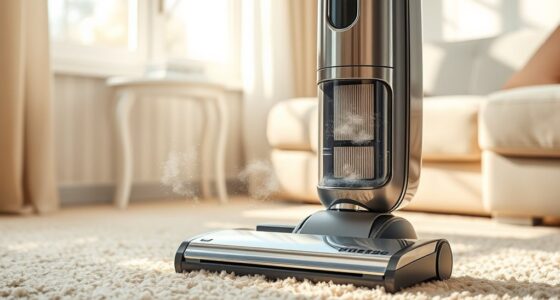

Choosing hypoallergenic materials for your home furnishings is essential for maintaining a healthy living space. Look for leather or synthetic fabrics that resist dust mites and pet dander, making cleaning a breeze. Opt for hardwood or tile flooring to avoid trapping allergens. Don’t forget hypoallergenic pillows and low-VOC paints to further improve air quality. By making thoughtful choices, you can considerably reduce allergens and create a comfortable environment. Discover more about enhancing your home’s health next!
Key Takeaways
- Select leather or synthetic fabrics for furnishings, as they resist dust mites and pet dander, making them easier to clean.
- Choose solid wood or metal materials for durability, ensuring they maintain hypoallergenic properties over time.
- Opt for hardwood or tile flooring instead of carpets to minimize allergen trapping in your home.
- Use low-VOC paints and finishes to improve indoor air quality and support a healthier living environment.
- Incorporate hypoallergenic pillows and washable window treatments to further reduce dust accumulation and allergens.

When it comes to furnishing your home, choosing hypoallergenic materials can make a vital difference, especially if you or your loved ones suffer from allergies. Opting for materials that resist trapping airborne allergens is essential in creating a healthier living environment. From carpets to upholstery, the right choices can minimize allergy symptoms and lead to a more comfortable home.
Choosing hypoallergenic materials is crucial for a healthier home, especially for allergy sufferers. Prioritize options that minimize airborne allergens.
When considering hypoallergenic options, focus on materials that naturally repel dust mites, mold, and pet dander. For instance, leather and synthetic fabrics are often more resistant to these irritants compared to traditional fabrics. They’re easier to clean and maintain, allowing you to keep your home free from harmful particles. This way, you’ll not only enhance your home’s aesthetic appeal but also prioritize the health of your family.
Material durability is another fundamental factor in your selection. Durable materials not only withstand wear and tear but also maintain their hypoallergenic properties over time. For example, high-quality furniture made from solid wood or metal frames can last for years, reducing the need for frequent replacements. This approach not only saves you money in the long run but also minimizes the environmental impact of constantly buying new items.
When it comes to flooring, consider hardwood or tile options. These materials don’t trap allergens like carpets do, making them a wise choice for allergy sufferers. If you prefer carpets, look for low-pile varieties made from synthetic fibers that are treated to resist allergens. Regular cleaning and vacuuming can further enhance the effectiveness of these choices.
Another important aspect is the use of paints and finishes. Opt for low-VOC (volatile organic compounds) paints and finishes, as they emit fewer harmful chemicals into the air. This will help you maintain a cleaner atmosphere in your home, benefiting everyone, especially those with sensitivities.
Don’t forget about bedding and curtains, either. Choosing hypoallergenic pillows and duvet covers made from materials like cotton or microfiber can considerably reduce nighttime allergy symptoms. Similarly, opting for window treatments that are easy to wash will help keep dust and allergens at bay.

Hikeen Swimming Parachute Resistance Set Training Equipment with 3 Parachute & Adjustable Length Swim Belts for Adults(1 Set)
【Different Choice】Comes with three parachutes (11.8"x11.8",9.8" x9.8", 7.8" x 7.8"). This Graduated Resistance Level design allows customizable resistance...
As an affiliate, we earn on qualifying purchases.
Frequently Asked Questions
Are Hypoallergenic Materials More Expensive Than Regular Materials?
Yes, hypoallergenic materials often come with a higher price tag compared to regular materials. This cost comparison reflects the advanced technology and quality involved in their production. However, you’ll find that many hypoallergenic options offer greater material durability, potentially saving you money in the long run. Investing in these materials can lead to fewer replacements and better health for you, making them a worthwhile choice despite the initial cost.
How Do I Know if a Material Is Truly Hypoallergenic?
To know if a material is truly hypoallergenic, look for fabric certification from reputable organizations that test for allergens. Check for labels indicating allergy testing, which confirms that the material has been evaluated for common irritants. You can also research the manufacturer’s claims and read reviews from others who have used the material. This way, you can guarantee you’re making a safe choice for your home and health.
Can Hypoallergenic Furnishings Help With Allergies and Asthma?
Yes, hypoallergenic furnishings can considerably help with allergies and asthma. By using materials designed for airborne allergen reduction, you create a healthier environment that supports your immune system. These furnishings minimize dust mites, pet dander, and other irritants, making it easier for you to breathe. When you invest in hypoallergenic options, you’re actively taking steps to improve your home’s air quality and reduce symptoms associated with allergies and asthma.
Are There Specific Brands Known for Hypoallergenic Home Furnishings?
Yes, there are specific brands known for hypoallergenic home furnishings. Look for brands with a solid reputation in the industry, as they often prioritize quality and safety. Brands like Naturepedic and Avocado offer certified organic materials, ensuring low chemical exposure. Always check for material certifications, like GOTS or OEKO-TEX, to confirm their hypoallergenic claims. This way, you can create a healthier living space while enjoying stylish and comfortable furnishings.
What Maintenance Is Required for Hypoallergenic Materials?
You’d think hypoallergenic materials take care of themselves, right? But they actually need your attention! Regular cleaning routines are essential to maintain their effectiveness and enhance material longevity. Dust, pet dander, and allergens can still accumulate, so vacuuming and using damp cloths works wonders. Don’t forget to check manufacturer guidelines for specific care instructions. By investing time in maintenance, you’ll enjoy a healthier home and extend the life of your furnishings.

Hikeen Swimming Training Belt 4M Swimming Tether Swim in Place Harness Stationary Aquatic Resistance Belt
Designed for stationary swimming in home & lap pools with adjustable bungee cord for resistance training
As an affiliate, we earn on qualifying purchases.
Conclusion
In your quest for a cozy, clutter-free home, selecting hypoallergenic materials is a smart step. By choosing soft fabrics like silk or organic cotton, you’re not just enhancing your environment; you’re also promoting peace and protection from pesky allergens. With a little research and thoughtful choices, you can create a serene sanctuary that prioritizes your health and happiness. So, settle into a space that soothes and supports your well-being, and breathe easy in your beautiful abode!

Dryland Powercord with Paddles,Swimming Arm Strength Trainer, Professional Freestyle Swimming Resistance Exercise Bands Set
Simulate Muscle-Building Movements - Resistance bands with sliding handles allow you to target and train your swim stroke...
As an affiliate, we earn on qualifying purchases.

FINIS Dryland Cords - Swim Resistance Bands for Strength & Flexibility - Simulates Swim Strokes - All Ages
Strengthening Exercise Band: Improve strength and range-of-motion with Dryland Cords, the ideal swim training equipment for off-season or...
As an affiliate, we earn on qualifying purchases.