To prevent pollen from entering your home, start by using HEPA air filters and regularly replacing them. Seal cracks around windows and doors with weather stripping or caulk to stop allergens from sneaking in. Limit opening windows on high pollen days and rely on air conditioning to filter air. Regularly clean your floors and surfaces using damp cloths and HEPA vacuums. By combining these strategies, you can effectively keep your indoor environment pollen-free. There’s more you can do to enhance your home’s air quality.
Key Takeaways
- Use high-efficiency particulate air (HEPA) filters in HVAC systems and air purifiers to capture airborne pollen effectively.
- Seal cracks and gaps around windows and doors with weather stripping or caulk to prevent pollen intrusion.
- Limit window openings on high pollen days and rely on air conditioning for indoor air circulation.
- Vacuum regularly with a HEPA-filter vacuum and dust surfaces with a damp cloth to reduce pollen accumulation.
- Stay informed about local pollen counts and adopt preventive measures proactively during peak pollen seasons.

As spring blooms and pollen levels rise, you might find yourself sneezing and itching more than usual. It’s that time of year when nature comes alive, but it can also mean trouble for your allergies. To keep your home comfortable during this pollen-heavy season, you’ll want to take proactive steps to prevent allergens from intruding into your living space. One of the most effective ways to do this is by focusing on air filtration and sealing cracks around your home.
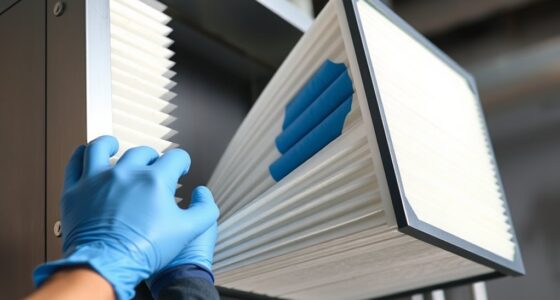
Start by upgrading your air filtration system. If you haven’t already, consider investing in a high-efficiency particulate air (HEPA) filter. These filters capture at least 99.97% of particles that are 0.3 microns in size, which includes pollen, dust mites, and other allergens. Make sure to change your air filters regularly, ideally every three months or as recommended. This simple act can dramatically improve your indoor air quality, ensuring that you breathe easier even when the pollen count is high outside.
Upgrade to a HEPA filter for cleaner air, capturing 99.97% of allergens and improving your indoor environment this spring.
In addition to air filtration, pay attention to sealing cracks and gaps around your home. Check your windows and doors for any openings that might allow pollen to seep inside. Use weather stripping or caulk to seal these cracks effectively. Not only will this help keep pollen out, but it’ll also improve your home’s energy efficiency. You’ll be surprised at how much of a difference sealing these small gaps can make in keeping unwanted allergens out.
Another area to think about is your home’s ventilation. While it’s tempting to open windows on a lovely spring day, doing so can let pollen in. Instead, use your air conditioning system or air purifiers with HEPA filters to circulate clean air throughout your home. This way, you can enjoy a fresh indoor environment without inviting pollen to crash the party. Additionally, consider the importance of air filtration in maintaining a healthy indoor atmosphere, as it can significantly reduce allergen levels.
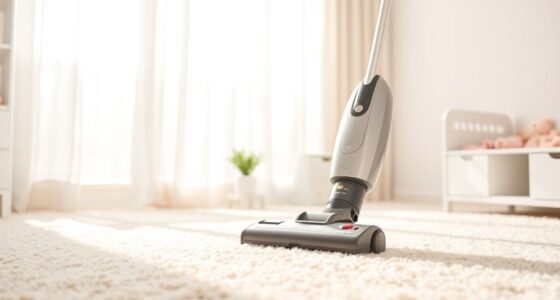
Don’t forget about your floors and furnishings, either. Regularly vacuum with a vacuum cleaner equipped with a HEPA filter, and consider using a damp cloth to dust surfaces. This will help capture and remove any pollen that might have made its way indoors. You can also keep your shoes at the door to prevent tracking in allergens from outside.

MOOKA Air Purifiers for Home Large Room up to 1076ft², H13 True HEPA Air Filter Cleaner, Odor Eliminator, Remove Smoke Dust Pollen Pet Dander, Night Light, B-D02L White
MOOKA B-D02L AIR PURIFIER FOR LARGE ROOM: With the high-efficiency filtration system, the air purifier covers an area…
As an affiliate, we earn on qualifying purchases.
As an affiliate, we earn on qualifying purchases.
Frequently Asked Questions
What Are the Best Plants for Low Pollen Indoors?
If you’re looking for low pollen plants for indoor gardening, consider options like spider plants, peace lilies, and snake plants. These varieties not only thrive indoors but also produce minimal pollen, making them great for allergy sufferers. Additionally, they enhance your home’s air quality. You’ll enjoy a vibrant indoor garden without the sneezing! Just make certain you provide the right lighting and care for these resilient plants to flourish.
Can Air Purifiers Completely Eliminate Pollen?
Air purifiers can considerably reduce pollen levels, but they can’t completely eliminate it. Their effectiveness hinges on pollen filtration efficiency, which varies by model. While a good air purifier captures much of the pollen in the air, some particles may still escape or settle on surfaces. It’s essential to understand air purifier limitations and use them alongside other methods for better results. Regular maintenance and filter changes also enhance their performance.
How Often Should I Vacuum to Reduce Pollen?
You might be surprised to learn that vacuuming just once a week isn’t enough to keep pollen at bay. To effectively reduce pollen, aim for vacuum frequency of at least two to three times a week. This regular pollen removal can dramatically improve your indoor air quality. Use a vacuum with a HEPA filter, and you’ll be amazed at how much cleaner your home feels. Don’t let pollen take over—stay proactive!
Is Pollen Worse in Certain Weather Conditions?
Yes, pollen can be worse in certain weather conditions. On warm, dry, and windy days, pollen allergy triggers are often at their peak because plants release more pollen into the air. Additionally, during seasonal pollen peaks, like spring for trees and summer for grasses, you may notice increased allergy symptoms. Keeping an eye on local pollen forecasts can help you plan your activities accordingly and minimize your exposure on those high pollen days.
Can Pollen Affect Pets and Their Health?
Yes, pollen can influence your pets and their health! In fact, about 10% of dogs suffer from pollen allergies, similar to humans. These allergies can lead to respiratory issues, skin irritations, and overall discomfort for your furry friends. You might notice your pet sneezing or scratching more during pollen season. Keeping an eye on their symptoms and consulting your vet can help maintain your pet’s respiratory health and assure they stay comfortable.

33 Ft Gray Self-Adhesive Soundproofing Weather Stripping for Doors and Windows, 0.35" Wide x 0.2" Thick
【Strong Adhesive, Saves Money】Weather stripping door seal prevent heat and cold from escaping, save your heating and cooling…
As an affiliate, we earn on qualifying purchases.
As an affiliate, we earn on qualifying purchases.
Conclusion
By taking these simple steps, you can keep pollen at bay and create a more comfortable living space. Remember, an ounce of prevention is worth a pound of cure. So, don’t let those pesky allergens invade your home and disrupt your peace of mind. With a little effort, you’ll breathe easier and enjoy your space to the fullest. You deserve a pollen-free haven where you can relax and thrive!

Shark Upright Vacuum, Navigator Lift-Away Deluxe with Large Dust Cup Capacity, HEPA Filter, Swivel Steering, Upholstery Tool & Crevice Tool, Blue, NV360
POWERFUL SUCTION: Deep-clean carpets and tackle bare floors with multi-surface powerful suction.
As an affiliate, we earn on qualifying purchases.
As an affiliate, we earn on qualifying purchases.

TOUSEA Waterproof Sealing Caulk Tape, Self Adhesive Sealant Strip for Bathroom, Toilet, Kitchen Countertop, Toilet, White
Color & Size Specification: 1.5IN/38mm(With), 10.5FT/3.2m(Length), 0.04IN/1mm(Thickness) Color: White This waterproof sealant caulk tape strip with a crease…
As an affiliate, we earn on qualifying purchases.
As an affiliate, we earn on qualifying purchases.