
To reduce mold growth in wet areas of your house, you need to manage moisture and improve ventilation. Start by fixing leaks and ensuring proper insulation to prevent condensation. Keep indoor humidity under 60% by using dehumidifiers and monitoring levels with hygrometers. Improve air circulation with fans and open windows when possible. Regularly clean surfaces and check behind appliances for water accumulation. Follow these steps, and you’ll discover even more effective ways to keep mold at bay.
Key Takeaways
- Identify and fix leaks in pipes and around windows to eliminate moisture sources that promote mold growth.
- Use dehumidifiers to maintain indoor humidity levels below 60 percent, especially in damp areas like basements and laundry rooms.
- Enhance air circulation by opening windows, using fans, and installing exhaust fans to reduce humidity and prevent mold proliferation.
- Regularly clean surfaces with mold-inhibiting solutions and inspect hidden areas for moisture accumulation.
- Choose moisture-resistant materials in wet areas, such as tile or vinyl, to minimize mold-friendly environments.
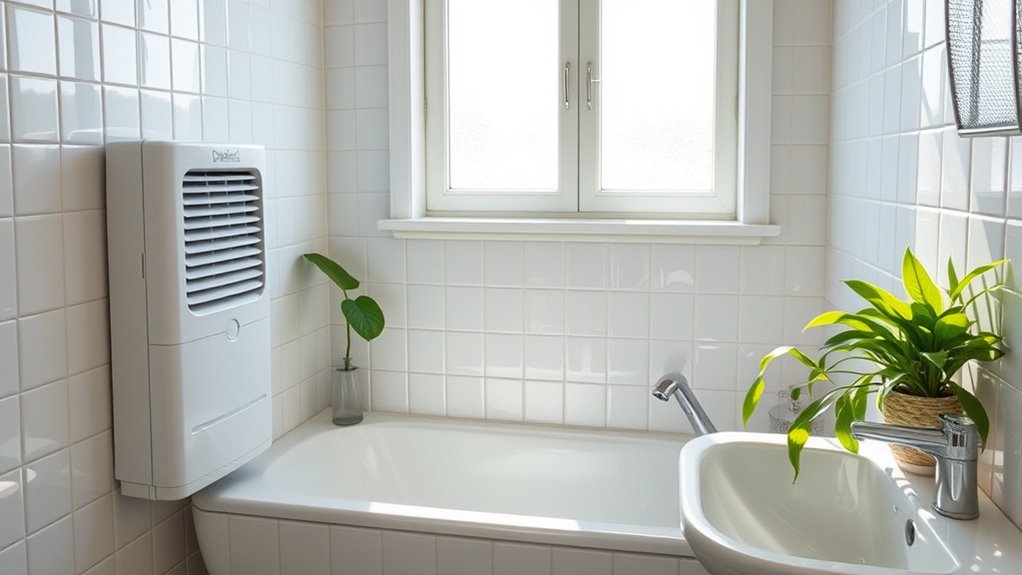
Although mold can thrive in damp environments, you can take simple steps to reduce its growth in your home. Effective moisture control is vital to creating a mold-free space, especially in areas like bathrooms, kitchens, and basements. Start by identifying sources of moisture. If you notice leaks in pipes or around windows, fix them immediately. Even small amounts of water can create the perfect breeding ground for mold.
Next, focus on air circulation. Good airflow can considerably reduce humidity levels, making it harder for mold to take hold. Open windows when weather permits, and consider using fans to promote air movement. In areas that are frequently wet, such as the bathroom after a shower, keep the door open to allow steam to escape. You might also want to invest in an exhaust fan, which can help draw out humid air and replace it with drier air.
Enhancing air circulation is key to reducing humidity and preventing mold growth in your home.
Dehumidifiers can be a game changer, especially in your basement or laundry room. These devices actively remove moisture from the air, keeping humidity levels in check. Aim to maintain indoor humidity below 60 percent. You can check humidity levels with a hygrometer, a simple tool that monitors moisture. If you find that humidity levels are consistently high, adjust your dehumidifier settings or increase its usage.
Another way to tackle moisture control is to guarantee proper insulation in your home. Insulation helps maintain stable temperatures, which can prevent condensation. Pay close attention to areas around windows and doors. If you notice condensation forming, it’s a sign that humidity levels are too high. You can also use moisture-resistant materials in areas prone to dampness, such as tile or vinyl in bathrooms.
Regular cleaning is also essential. Mold spores can settle on surfaces, so wipe down areas prone to moisture with mold-inhibiting solutions. Don’t forget to check behind appliances and furniture where water can collect. Keeping these areas dry and clean can make a big difference in preventing mold growth.
Lastly, be mindful of your indoor plants. While they can improve air quality, overwatering can lead to increased humidity. Allow the soil to dry out between waterings, and place plants in well-ventilated areas. By implementing these strategies—focusing on air circulation and moisture control—you can greatly reduce mold growth, creating a healthier environment for you and your family. Additionally, consider using health-conscious options in your home, which can contribute to overall wellness and reduce allergens.
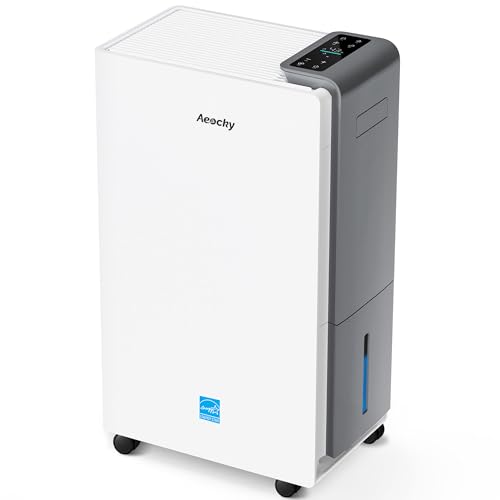
4500 Sq.Ft Energy Star Most Efficient 2025 Dehumidifier,AEOCKY Max 80 Pint/Day Smart Compressor Dehumidifier with Drain Hose, Intelligent Humidistat,for Basement,Bedroom,Home,Bathroom
【Dual Champion, Undisputed – #1 Best-Selling Brand & #1 Best-Selling Model】When you choose AEOCKY, you choose double market…
As an affiliate, we earn on qualifying purchases.
As an affiliate, we earn on qualifying purchases.
Frequently Asked Questions
How Can I Tell if Mold Is Hidden in My Walls?
To tell if there’s hidden mold in your walls, start with a thorough wall inspection. Look for discoloration, stains, or peeling paint, which can indicate moisture issues. You might also notice a musty smell near the walls. If you suspect mold, consider using a moisture meter to check for elevated levels. Don’t forget to check behind furniture or appliances, as these areas can harbor hidden mold without being visible at first glance.
What Are the Health Effects of Mold Exposure?
Mold exposure can hit you like a surprise storm, bringing with it a wave of allergy symptoms and respiratory issues. You might experience sneezing, coughing, or itchy eyes, similar to battling a cold that just won’t go away. For some, it can worsen asthma or even lead to more severe respiratory problems. Staying aware of these health effects is essential, so you can take action to protect yourself and your loved ones.
Can Air Purifiers Effectively Reduce Mold Spores?
Yes, air purifiers can effectively reduce mold spores in your home. Their efficiency largely depends on the type of filter used—HEPA filters are particularly good at capturing tiny particles, including mold spores. By running an air purifier regularly, you can substantially improve air quality and decrease mold spore concentration. Just remember, while air purifiers help, they should complement other strategies for complete mold control.
Is It Safe to Remove Mold Myself?
Yes, you can safely remove mold yourself, but it’s essential to take precautions. Use protective gear like gloves and masks to avoid inhaling spores. For small areas, a DIY removal method with soap and water can work, but make certain you prevent future growth by controlling moisture. If the mold covers a large area, it’s best to consult a professional. Remember, mold prevention is vital to keeping your home healthy.
How Does Humidity Affect Mold Growth in My Home?
Humidity plays a vital role in mold growth in your home. When moisture levels rise, it creates an ideal environment for mold to flourish, much like a garden needs water to thrive. To combat this, you need effective humidity control. By keeping indoor humidity below 60%, you’ll greatly reduce the chances of mold taking hold. Regularly check moisture levels, use dehumidifiers, and make sure proper ventilation to keep your home mold-free.

Zinsser 02774 PERMA-WHITE Mold & Mildew Proof Interior Paint, Quart, Eggshell White
Self-Priming formula – requires no sanding
As an affiliate, we earn on qualifying purchases.
As an affiliate, we earn on qualifying purchases.
Conclusion
By taking proactive steps to reduce mold growth in wet areas of your home, you’re not just protecting your space—you’re safeguarding your health. Keep those areas dry, ventilated, and clutter-free, and you’ll create a fortress against mold. Remember, a little prevention goes a long way; it’s like planting seeds of cleanliness that blossom into a healthy living environment. So, roll up your sleeves and tackle those damp spots—your home will thank you!

TempPro TP50 Digital Hygrometer Indoor Thermometer Room Thermometer and Humidity Gauge with Temperature Humidity Monitor(Previously ThermoPro)
Wellness Indicator: This humidity meter with humidity level icon indicates air conditions – DRY/COMFORT/WET, allowing this humidity sensor…
As an affiliate, we earn on qualifying purchases.
As an affiliate, we earn on qualifying purchases.

Broan-Nutone® Bathroom Exhaust Fan, 50 CFM Modern Grille, Energy Star Fan, 2.0 Sones
50 CFM BATHROOM EXHAUST FAN: 50 CFM is sufficient ventilation to remove, moisture, odor and pollutants from your…
As an affiliate, we earn on qualifying purchases.
As an affiliate, we earn on qualifying purchases.