To keep wildfire smoke out of your home, start by checking and sealing all entry points like windows, doors, vents, and cracks. Use weatherstripping, caulking, or smoke-resistant seals to block gaps, and install door sweeps for extra protection. Regularly inspect and reapply these seals before fire season. Testing with smoke pencils or water mist helps identify leaks. Keep your home safer and fresher—continue to uncover more effective sealing techniques and tips to stay protected.

Get sports gear delivered free — and shop member deals
- Fast, free delivery on millions of items
- Access to Prime Big Deal Days deals on October 6–7
- Prime Video, Amazon Music and more included
Key Takeaways
- Seal gaps around windows, doors, vents, and cracks with weatherstripping, caulking, or smoke-resistant seals to prevent smoke infiltration.
- Use filters or covers on vents and exhaust fans when wildfire smoke is present.
- Maintain and regularly inspect door and window seals, reapplying weatherstripping annually.
- Ensure ventilation systems are airtight and equipped with high-efficiency filters.
- Monitor indoor humidity levels, keeping them between 30-50% to reduce smoke retention indoors.
smoke resistant weatherstripping for windows and doors
As an affiliate, we earn on qualifying purchases.
As an affiliate, we earn on qualifying purchases.
How Wildfire Smoke Affects Your Indoor Air Quality
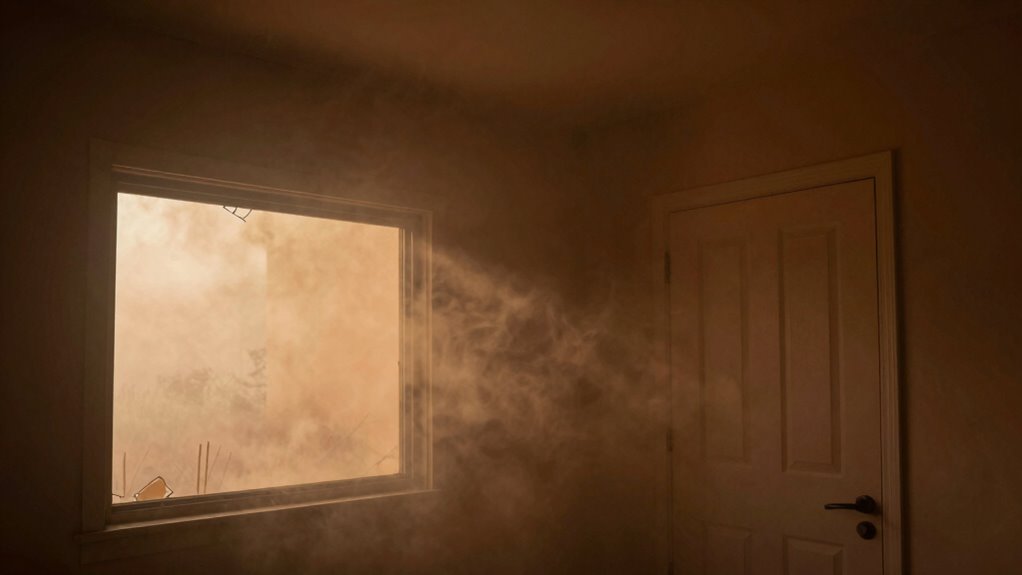
When wildfire smoke enters your home, it considerably worsens your indoor air quality. The smoke introduces indoor air pollutants that can harm your health, especially if you have respiratory issues or allergies. These pollutants include tiny particulate matter, chemicals, and toxins that linger in the air and can penetrate deep into your lungs. High-quality air purifiers can significantly help in reducing these harmful particles. Proper ventilation and humidity control are also essential for maintaining a healthier indoor environment. Using the right filtration methods can further enhance air quality by capturing smaller pollutants. Poor indoor air quality makes it harder to breathe and increases the risk of illnesses. Practicing wildfire safety means understanding how smoke affects your environment and taking steps to minimize exposure. Sealing your room helps prevent contaminated air from infiltrating, reducing the concentration of indoor air pollutants. Staying informed and prepared ensures you protect yourself and your family from the harmful effects of wildfire smoke indoors. Additionally, microplastics in dust can exacerbate respiratory problems, making it even more crucial to improve your indoor air quality. Implementing simple tips for enhancing air quality can further help mitigate these risks.
How to Check If Your Home Is Vulnerable to Smoke
Certainly! Here’s the revised content for your article subheading:
—
Are you aware of how vulnerable your home is to wildfire smoke infiltration? To check, start by evaluating entry points and indoor conditions. Confirm your smoke detectors are working and positioned correctly. Monitor indoor humidity; high levels can trap smoke particles indoors. Here’s a quick way to gauge vulnerability:
| Factors to Check | Indicators |
|---|---|
| Entry points | Gaps around windows and doors |
| Indoor humidity | Levels above 50% increase smoke retention |
| Smoke detectors | Properly functioning and placed correctly |
| Sealing efforts | Visible cracks or leaks |
Additionally, ensuring proper acoustics and soundproofing in your home can bolster your defenses against smoke intrusion. Regularly checking for advanced technology in air filtration systems can further enhance your home’s protection against harmful particles. Maintaining clean rugs and floors is also crucial, as they can absorb smoke and odors, contributing to indoor air quality issues. Understanding adaptive content strategies can also help you stay informed about evolving protections against smoke damage. Implementing proper sealing techniques around your home can significantly reduce the risk of smoke infiltration.
—
Let me know if you need any further modifications!
Identify Key Entry Points for Smoke in Your Rooms

You need to identify where smoke can enter your rooms, such as common gaps and cracks around doors and windows. Pay attention to leaks in your ventilation system, which can pull in smoke from outside. Sealing these entry points is key to keeping wildfire smoke out. Additionally, using essential DIY tools can help ensure a more effective sealing process. Implementing efficient sealing techniques can significantly enhance your efforts in blocking smoke infiltration. Furthermore, consider the importance of proper insulation to prevent smoke from infiltrating through less obvious pathways. To improve your workspace comfort, consider investing in ergonomic accessories that can enhance your overall setup while you manage smoke-related challenges. Remember that understanding media literacy can help you discern reliable information about smoke safety and indoor air quality.
Common Gaps and Cracks
Common Gaps and Cracks (Identify Key Entry Points for Smoke in Your Rooms)
Gaps and cracks around windows, doors, and vents serve as primary entry points for wildfire smoke to infiltrate your indoor spaces. These openings allow smoke to seep in, compromising indoor air quality. To effectively seal these gaps, consider installing indoor air filtration systems and smoke detection sensors that alert you to smoke intrusion. Use weatherstripping and caulking to close small cracks around window frames and door thresholds. Larger openings, like vents, should be sealed or fitted with filters. It’s important to be aware of early detection signs of smoke exposure to protect your health. Additionally, addressing these issues promptly can help you maintain optimal indoor air quality for your family. Remember that sealing these gaps can also foster spiritual awakening as you create a safe and harmonious living environment. Proper ventilation systems are crucial for enhancing indoor air safety. Here’s a quick overview:
| Entry Point | Sealing Method | Additional Tips |
|---|---|---|
| Windows | Weatherstripping | Use smoke-resistant seals |
| Doors | Door sweeps | Check for drafts |
| Vents | Seals & filters | Install high-efficiency filters |
| Cracks | Caulking | Regularly inspect seals |
Sealing these gaps improves indoor air quality and enhances the effectiveness of your filtration and alert systems. Additionally, using resources for mental health can help you cope with the stress caused by smoke exposure.
Ventilation System Leaks
Sure! Here’s your revised article subheading content with the requested modifications:
—
Even when windows and doors are sealed tightly, leaks in your ventilation system can still allow wildfire smoke to enter your indoor spaces. The key entry points are often air ducts that connect your HVAC system to the outside. These ducts may have small leaks or gaps that let smoke seep through. To stop this, inspect your air duct system carefully. Use sealant application on any visible leaks or gaps in the ductwork to create a tight barrier. Sealing these entry points prevents smoke from being drawn into your rooms when your system runs. Remember, even minor leaks can considerably impact indoor air quality during a wildfire, so thorough inspection and proper sealing are essential for effective room sealing and smoke protection. Additionally, maintaining engine performance can help ensure that your home’s systems operate efficiently during emergencies. Investing in best home security systems can also provide peace of mind in case of evacuations during wildfire events. Utilizing effective ventilation strategies is crucial to safeguarding your indoor air quality against external pollutants, especially since smoke pollutants can linger long after the fire has passed. Maintaining good indoor air quality involves regular cleaning and monitoring of your HVAC filters, which can greatly reduce the presence of particulates from smoke.
—
Let me know if you need any further adjustments!
Seal Windows and Doors Against Wildfire Smoke
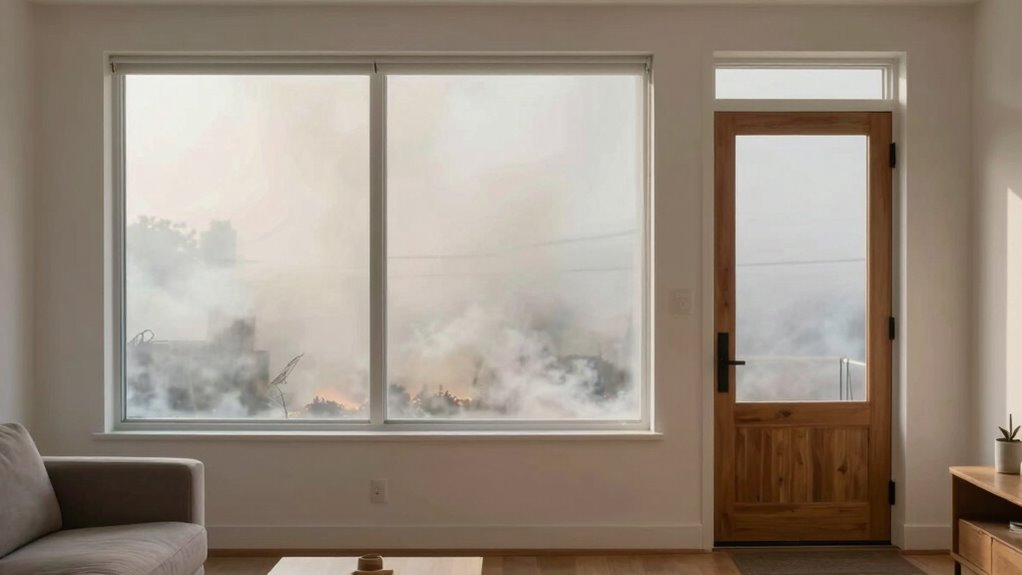
Have you considered how small openings around your windows and doors can let wildfire smoke seep inside? These gaps, often caused by poor window insulation or door drafts, compromise indoor air quality. To prevent smoke infiltration, focus on sealing these entry points effectively. Start by checking for drafts around your doors and windows, and then use appropriate sealing methods. Proper window insulation reduces gaps, and sealing door drafts keeps smoke out.
Small gaps around windows and doors can let wildfire smoke inside—seal them to improve indoor air quality.
- Install weatherstripping around doors and windows
- Use draft stoppers for doors
- Apply sealant to any cracks or gaps
These steps create a tighter seal, reducing wildfire smoke entry and making your indoor environment safer. Regularly inspect and maintain these seals for ongoing protection.
Apply Weatherstripping and Sealants for Better Protection
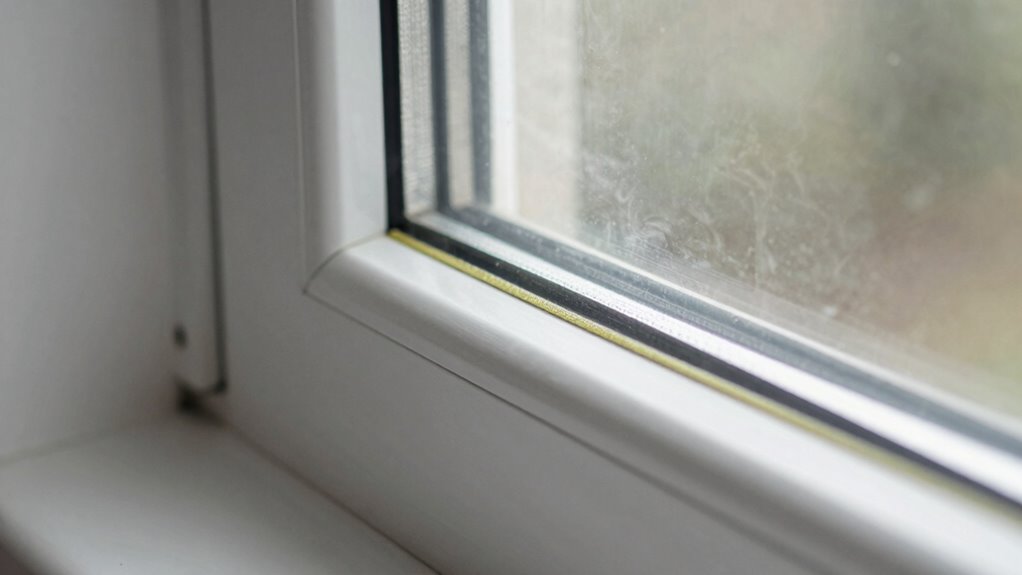
Applying weatherstripping and sealants is one of the most effective ways to prevent wildfire smoke from entering your home. Use weatherstripping techniques around doors and windows to create airtight seals, reducing gaps where smoke can seep in. Opt for durable, flexible materials like foam, rubber, or vinyl for a tight fit. When choosing sealant types, consider high-quality options such as silicone or acrylic latex, which provide strong adhesion and weather resistance. Apply sealants along window frames, door jambs, and other potential leaks, ensuring a seamless barrier. Properly installed weatherstripping and sealants can substantially improve your home’s indoor air quality and help maintain a cleaner, smoke-free environment during wildfire events.
Use Air Purifiers and Ventilation Strategies Effectively

Using air purifiers and ventilation strategies effectively can markedly improve indoor air quality during wildfire events. To maximize their impact, focus on proper air purifier placement—position it in central locations or near sources of smoke infiltration. Adjust ventilation timing carefully; open windows during early morning or after rain when air quality improves, and keep them sealed during smoky periods. This helps prevent outdoor smoke from entering your home. Use exhaust fans in kitchens and bathrooms to remove indoor pollutants. Also, consider temporarily restricting airflow from vents to maintain cleaner indoor air.
Optimize air quality during wildfires with strategic purifier placement, timed ventilation, and exhaust fan use.
- Place air purifiers away from walls or furniture for ideal circulation
- Time ventilation openings when outdoor air is least smoky
- Use exhaust fans to boost indoor air cleaning efforts
Test Your Seals and Troubleshoot Common Problems
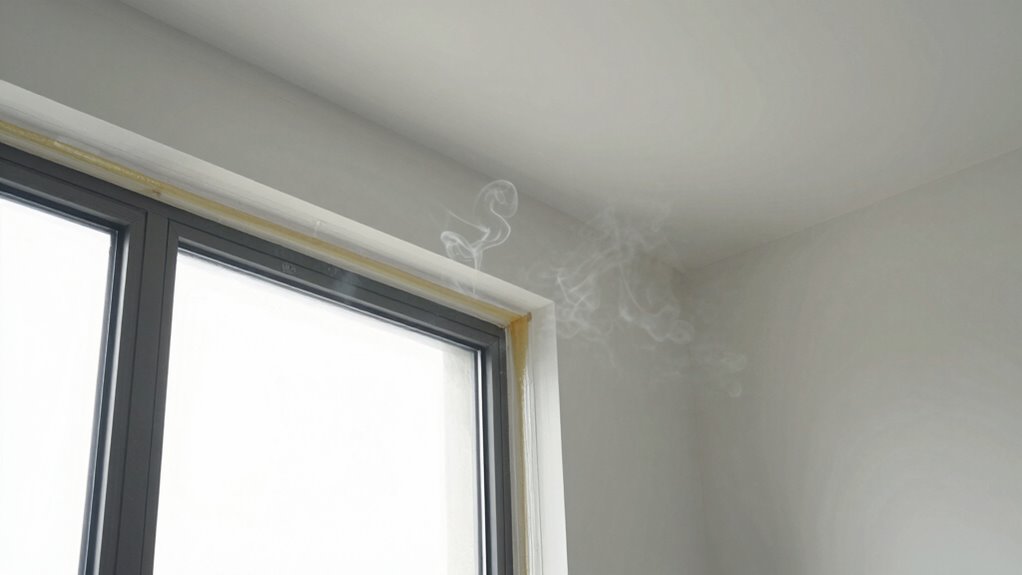
After setting up your air purifiers and ventilation strategies, it’s important to verify that your home’s seals are airtight. Start by inspecting all entry points, including windows, doors, and vents. Seal gaps with weatherstripping or caulk to prevent smoke infiltration. To test effectiveness, perform simple tests like holding a lit incense stick near suspected leaks—if the smoke flickers or moves, you’ve found a gap. You can also use a smoke pencil or spray a fine mist of water around seals to observe air movement. Address any leaks promptly, rechecking after sealing. Troubleshooting common problems involves identifying overlooked gaps or deteriorated seals, then sealing or replacing them. Regular testing ensures your home remains protected from wildfire smoke intrusion.
Tips to Keep Your Indoor Air Smoke-Free During Fire Season
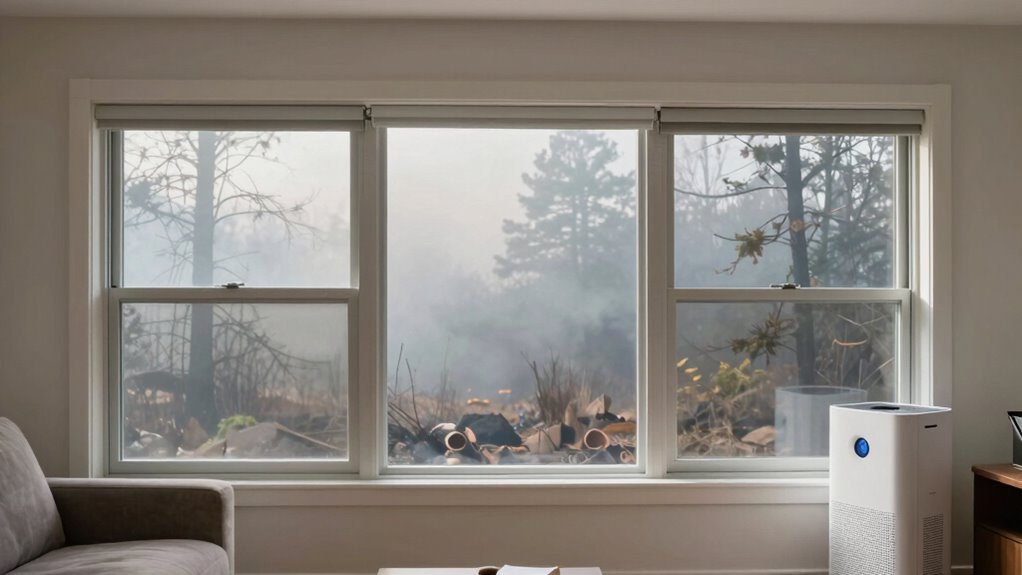
To keep your indoor air smoke-free during fire season, start by sealing windows and doors tightly to prevent smoke infiltration. Use air purifiers effectively to filter out particles, and make sure your HVAC system is maintained and functioning properly. These steps can substantially improve your indoor air quality during smoky conditions.
Seal Windows and Doors
Have you ever wondered how to keep wildfire smoke from seeping into your home through gaps around windows and doors? Sealing these openings is essential during fire season. Start with window insulation to block tiny cracks that let smoke in. Use weatherstripping or caulk to seal door drafts, preventing smoke infiltration. Properly sealed doors and windows create a barrier, reducing indoor smoke levels. Check for gaps around the frame and add insulation where needed. Don’t forget to inspect the threshold and sash for leaks. Simple measures like these can make a big difference in maintaining clean indoor air. Remember, a well-sealed home limits smoke entry and keeps your indoor environment safer during wildfire events.
- Install weatherstripping around doors and windows
- Use caulk to seal cracks and gaps
- Add door draft stoppers for extra protection
Use Air Purifiers Effectively
Once you’ve sealed gaps around your windows and doors, the next step is to improve indoor air quality with air purifiers. Choose a purifier with a HEPA filter, proven to trap wildfire smoke particles. To keep it effective, perform regular air purifier maintenance, including cleaning or checking pre-filters and making sure the device runs smoothly. Pay attention to filter replacement; most filters need changing every 6 to 12 months, but during heavy smoke seasons, more frequent replacements may be necessary. Proper maintenance ensures your purifier captures harmful particles efficiently. Place the air purifier in high-traffic or central areas for maximum coverage. Consistent use combined with timely filter replacements will considerably reduce indoor smoke, helping you breathe cleaner air during wildfire season.
Maintain HVAC Systems Properly
Maintaining your HVAC system is essential for keeping indoor air clean during wildfire season, especially when smoke particles can infiltrate even well-sealed spaces. Regularly change filters to guarantee superior air filtration, which helps remove smoke particles and pollutants. Keep indoor humidity levels balanced, ideally between 30-50%, to prevent mold growth and reduce airborne pollutants. Schedule professional inspections annually to verify system performance and address any issues promptly. Proper maintenance also involves cleaning vents and ducts to prevent dust and smoke residue buildup. These steps ensure your HVAC system effectively filters incoming air, maintaining a healthier indoor environment during fire season.
- Regularly replace filters for superior air filtration
- Monitor indoor humidity to prevent mold and particle buildup
- Schedule annual professional HVAC inspections
Maintain and Reassess Your Seals Before Fire Season Starts
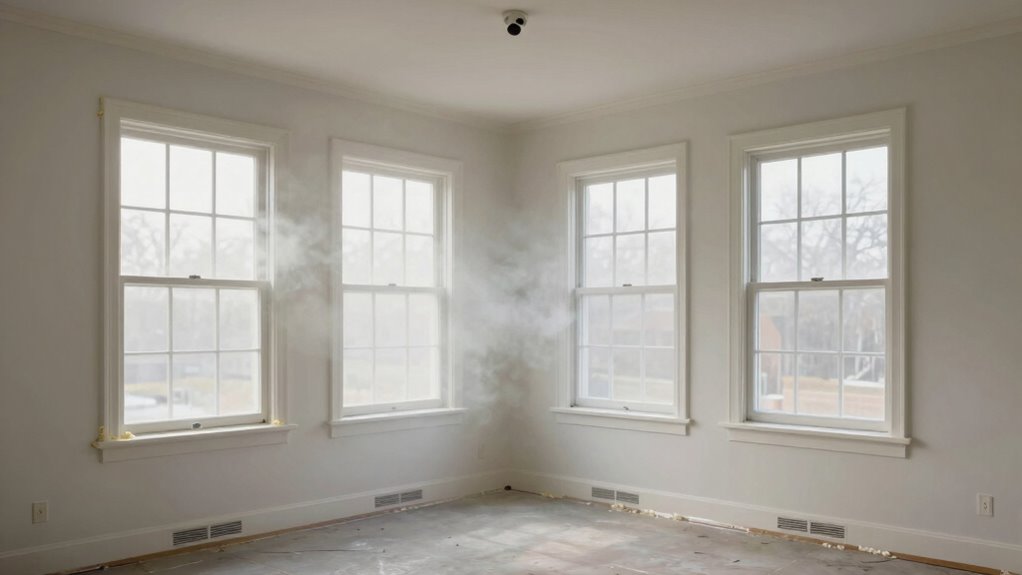
Before wildfire season begins, it’s essential to carefully inspect and update your seals around doors, windows, and vents. Conduct a seasonal seal inspection to identify gaps or deteriorated materials. Reapply or replace seals according to your seal reapplication schedule to guarantee maximum protection. Regular reassessment helps catch issues early, preventing smoke from seeping indoors. Use weatherstripping, caulking, or sealants to maintain airtight barriers. Keep track of inspection dates and repairs to stay ahead of wildfire hazards. Proper sealing reduces indoor smoke infiltration and improves air quality during fire season. Below is a table to help you organize your seal maintenance plan:
| Task | Frequency |
|---|---|
| Inspect door/window seals | Before each fire season |
| Reapply weatherstripping | Annually or as needed |
| Check vent seals | Quarterly |
| Repair gaps or cracks | As soon as identified |
| Record maintenance dates | Keep a maintenance schedule |
Frequently Asked Questions
How Often Should I Reseal My Home Before Wildfire Season?
You should reseal your home annually or before wildfire season begins to maintain ideal air quality. Regular resealing guarantees your ventilation strategies stay effective, preventing smoke infiltration. Use air quality monitoring to assess if your sealing is working and to detect smoke or pollutants indoors. Keep an eye on weather conditions and reseal more frequently if you notice increased smoke or air quality issues, ensuring a safer, healthier indoor environment during wildfire season.
What Types of Air Purifiers Are Best for Wildfire Smoke?
You should choose HEPA air purifiers for wildfire smoke, as they offer high filtration efficiency for tiny particles like smoke and ash. Look for models with true HEPA filters, which trap 99.97% of particles as small as 0.3 microns. Additionally, consider air purifiers with activated carbon filters to reduce odors and gases. Regularly maintain and replace filters to guarantee peak performance during wildfire season.
Can Sealing My Home Completely Eliminate Indoor Wildfire Smoke?
It’s unlikely that sealing your home completely will eliminate indoor wildfire smoke, but it can considerably improve indoor air quality. You might notice that using effective sealants reduces smoke infiltration, making your space safer. However, sealant effectiveness varies, and tiny particles may still seep in through vents or small gaps. Combining sealing with air purifiers will give you the best protection, ensuring cleaner, healthier indoor air during wildfire events.
Are There DIY Methods to Improve Home Sealing Effectively?
Yes, you can use DIY sealing techniques to improve your home’s insulation and reduce wildfire smoke infiltration. Start by sealing gaps around windows and doors with weatherstripping or caulk. Use foam sealant for larger cracks and install draft stoppers. Improving home insulation methods, like adding insulation to walls or attics, also helps prevent smoke from entering. These simple steps make your home more airtight and shield you from outdoor smoke.
How Does Humidity Affect Wildfire Smoke Infiltration Indoors?
Humidity control plays a vital role in preventing smoke penetration indoors during wildfires. When humidity is high, smoke particles tend to settle rather than infiltrate, offering some protection. Conversely, low humidity can make your home more vulnerable to smoke infiltration because dry air allows particles to stay airborne longer. Maintaining ideal humidity levels, around 40-50%, helps reduce smoke penetration and keeps indoor air cleaner during wildfire events.
Conclusion
So, next fire season, enjoy the irony—you’ll be inside, sealed tight and breathing clean air, while outside chaos rages on. All those efforts to block out wildfire smoke might just make you appreciate the simple comfort of a well-sealed room. Because in the end, the biggest fire hazard isn’t the smoke, but realizing you could have enjoyed a peaceful, smoke-free home—and avoided the chaos altogether. Stay safe, stay sealed, and breathe easy.
NFL season / tailgating Picks
team gear
As an affiliate, we earn on qualifying purchases.