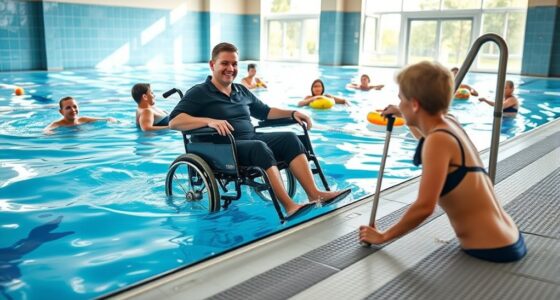
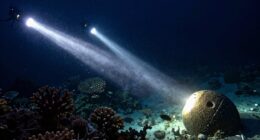
Deep-water routines primarily engage your core and stabilizer muscles because buoyancy reduces joint impact, while resistance equipment enhances muscle activation through water’s natural resistance. Shallow-water exercises allow for more dynamic movements and target different muscle groups with tools like paddles or bands. The water environment influences how muscles work—deep water emphasizes balance and endurance, while shallow water promotes more targeted activation. Keep exploring to uncover how these differences can boost your workout effectiveness.
Key Takeaways
- Deep water routines emphasize core stabilization and balance due to buoyancy and resistance equipment use.
- Shallow water exercises promote targeted muscle engagement with greater freedom of movement and surface proximity.
- Resistance equipment in deep water increases muscle activation of stabilizers and core muscles more than shallow water.
- Shallow water routines allow for easier focus on form, leading to distinct muscle activation patterns compared to deep water.
- Water properties and buoyancy differences influence muscle response, with deep water favoring stability and shallow water enabling dynamic movements.

When choosing between deep-water and shallow-water routines, understanding their distinct benefits and challenges is vital. One key aspect to contemplate is how these environments influence muscle activation, which directly impacts your workout effectiveness. Deep-water exercises typically involve less impact on your joints, thanks to the increased buoyancy, but they also demand different breathing techniques and equipment variations to maximize results. In deep water, you often rely on flotation belts, resistance gloves, or paddles to create additional resistance, making your muscles work harder without the need for weights or other traditional equipment. These equipment variations change the way your muscles activate because they increase water resistance, requiring you to engage stabilizers and core muscles more intensely. Additionally, the properties of water significantly affect how muscles respond during routines, emphasizing the importance of understanding water dynamics for optimal training.
Deep-water routines enhance muscle activation through resistance equipment and buoyancy, emphasizing core stability and controlled breathing techniques.
Breathing techniques play a vital role in deep-water routines. Because you’re floating or submerged deeper, your breathing may become more diaphragmatic or controlled to maintain stability and endurance during exercises. Proper breathing helps optimize oxygen intake, prevents fatigue, and enhances muscle engagement. When you adjust your breathing techniques, you can better control your movements and sustain longer routines, which is particularly important when using equipment variations that add resistance. The challenge is to stay relaxed and breathe steadily despite the increased effort from added resistance or the water’s pressure, which can make breathing feel more demanding than in shallow water.
In contrast, shallow-water routines tend to involve more conventional movements, often closer to the pool’s surface. Equipment variations here might include hand paddles, kickboards, or resistance bands, which allow for a broader range of motion and targeted muscle activation. The shallower environment makes it easier to focus on form and technique since your body is more upright and less reliant on buoyancy for support. This setup enables you to better incorporate breathing techniques that mimic land-based exercises, such as rhythmic inhaling and exhaling, which help maintain stamina and coordination. Because you’re less submerged, your lungs have more room to breathe freely, reducing the perceived exertion during high-intensity movements.
Ultimately, both deep-water and shallow-water routines activate muscles differently due to the environment and equipment used. Deep water emphasizes core stability, balance, and resistance through equipment variations, requiring controlled breathing techniques to manage increased effort. Shallow water offers more freedom for dynamic movements and easier breathing, allowing for targeted muscle engagement with different equipment. Recognizing these differences can help you tailor your workouts to your goals, whether it’s improving endurance, building strength, or enhancing balance. Understanding how breathing techniques and equipment variations influence muscle activation ensures you get the most out of each water-based routine.

H128 Handheld Thermal Camera, 240 x 240 TISR Resolution, 24h Battery Life Thermal Imaging Camera, 25 Hz Infrared Camera with Temperature Alarm, -4℉~ 842℉ Temp Range, IP65 Protection Level
Enhanced Clarity with 240x240 TISR Resolution: Equipped with TISR technology, the H128 infrared camera elevates your thermal imaging...
As an affiliate, we earn on qualifying purchases.
Frequently Asked Questions
How Do Water Temperature Differences Affect Muscle Activation?
You might notice that water temperature impacts your muscle activation, with colder water increasing activation variance as your muscles work harder to stay warm. Conversely, warmer water tends to reduce muscle activation variance by relaxing muscles and improving blood flow. This temperature impact influences your workout intensity, making it essential to contemplate water temperature when designing aquatic routines to optimize muscle engagement and performance.
Are There Specific Exercises Better Suited for Deep or Shallow Water?
Imagine choosing between water depths like a fork in the road. For shallow water, you’ll want exercises that target muscles with more resistance, such as jogging or high-knee drills. Deep water suits low-impact, core-stabilizing moves like aqua jogging or suspended exercises. Your exercise selection depends on your goals; shallow water enhances muscle activation, while deep water emphasizes joint relief and overall endurance. Pick the depth that aligns with your fitness needs.
How Does Individual Fitness Level Influence Routine Effectiveness?
Your personal fitness level plays a key role in how effective your water routines are. If you’re a beginner, you might need to start with simpler exercises and gradually increase intensity. More advanced individuals can incorporate higher resistance or complex movements for better results. Routine customization based on your fitness helps prevent injury and boosts progress, ensuring you get the most out of your deep or shallow water workouts.
Can Deep-Water Routines Help With Rehabilitation Differently Than Shallow Water?
You might find deep-water routines beneficial for rehabilitation because hydrodynamic resistance challenges your muscles without putting stress on your joints. The buoyancy effects support your body, reducing impact and pain. This environment allows you to perform controlled movements safely, promoting healing. Unlike shallow water, deep water offers more resistance, helping you build strength gradually while minimizing the risk of re-injury, making it ideal for rehab.
What Equipment Is Necessary for Each Water Routine Type?
For shallow-water routines, you’ll need equipment like kickboards, water weights, or resistance gloves to increase aquatic resistance and maximize hydrotherapy benefits. Deep-water routines typically require a flotation belt to maintain buoyancy and allow for movement without weight-bearing. Both routines leverage aquatic resistance to enhance muscle activation and recovery, but the equipment differs based on the water depth, helping you target muscles effectively while enjoying the hydrotherapy benefits.
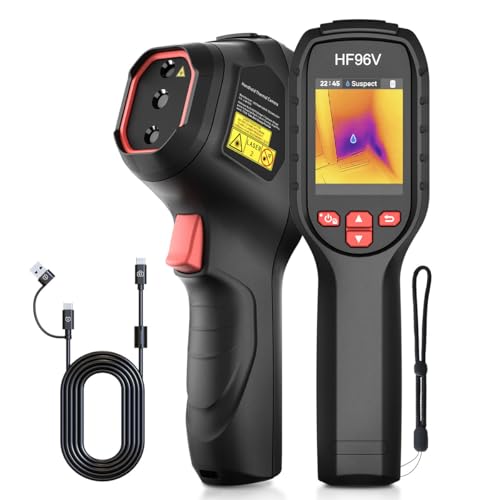
HF96V Thermal Camera with Visual Camera & Laser Pointer, Intelligent Scene Detection, 240 * 240 Super Resolution Thermal Imaging Camera,25 Hz, 50° FOV, -4°F to 1022°F, IP54 Infrared Camera
【Dual Cameras】Built-in 96x96 IR camera and 640x480 visible camera, the HF96V thermal imager offers 3 image modes (Fusion/Thermal/Visual)...
As an affiliate, we earn on qualifying purchases.
Conclusion
As you explore deep-water and shallow-water routines, remember that each offers unique muscle activation benefits—like two sides of the same coin. Embrace the challenge, and you’ll uncover how each environment shapes your strength and endurance. Think of your workout journey as a story waiting to be written, where every stroke and kick adds a new chapter. Immerse yourself with curiosity, and you’ll find that your muscles, much like your potential, are endless and enthusiastic to grow.

MILESEEY TR10 Thermal Imaging Camera,Super Resolution 192 x 192 Thermal Camera,25 Hz Refresh Rate, -4°F to 1022°F Handheld Infrared Imager,8-Hour Battery Life Infrared Camera
【High Definition Thermal Imaging】The MILESEEY TR10 delivers enhanced 192×192 thermal clarity infrared sensor. Its 25Hz high refresh rate...
As an affiliate, we earn on qualifying purchases.

TOPDON TC002C Duo Thermal Camera, Compatible with Any USB-C iPhone, iPad & Android Device, 512 x 384 Super Resolution, 256 x 192 IR Resolution Thermal Imager, -4°F~1022°F Temp Range -Grey
UNIVERSAL USB-C COMPATIBILITY: As an upgraded version of TC002C, the TOPDON TC002C Duo now works seamlessly with all...
As an affiliate, we earn on qualifying purchases.