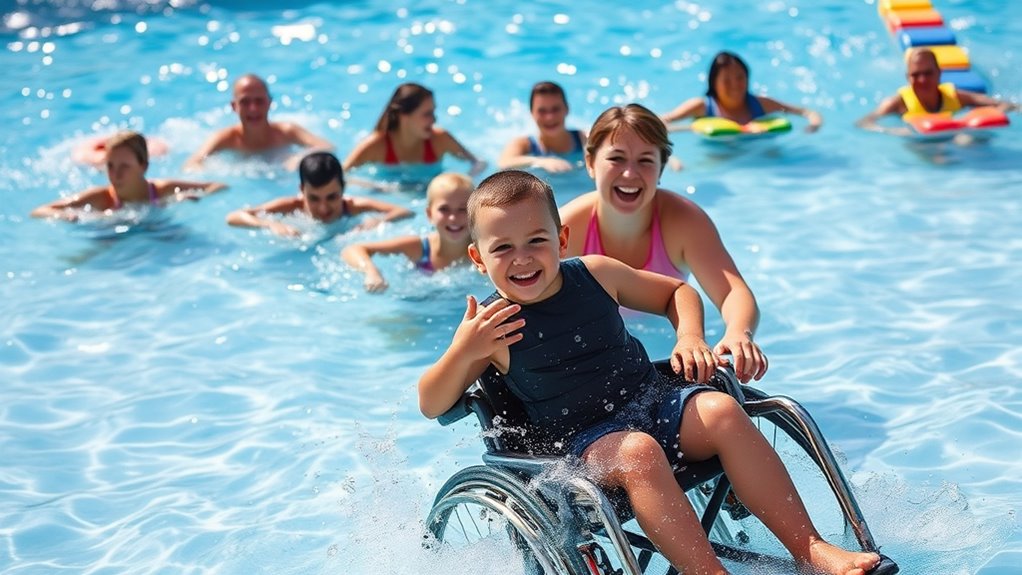

Accessibility in wave pools means everyone can join the fun, regardless of ability. Features like ramps, wide pathways, and pool lifts make water entry safe and easy. Staff trained in assistive device operation provide timely assistance, creating a welcoming environment. Regular maintenance guarantees these features remain functional and inclusive for all. By prioritizing diverse needs, wave pools foster community integration and joyful experiences. You’ll discover even more ways to enhance accessibility in aquatic facilities.
Key Takeaways
- Wave pools should incorporate ramps and wide pathways to ensure easy access for individuals using mobility devices.
- Accessible changing rooms and pool lifts are essential for accommodating diverse needs of all users.
- Staff training on assistive devices enhances user experience and fosters a welcoming environment.
- Regular maintenance and updates of assistive devices ensure ongoing functionality and safety for all guests.
- Inclusive design promotes social integration, encouraging broader participation in recreational activities for individuals with disabilities.
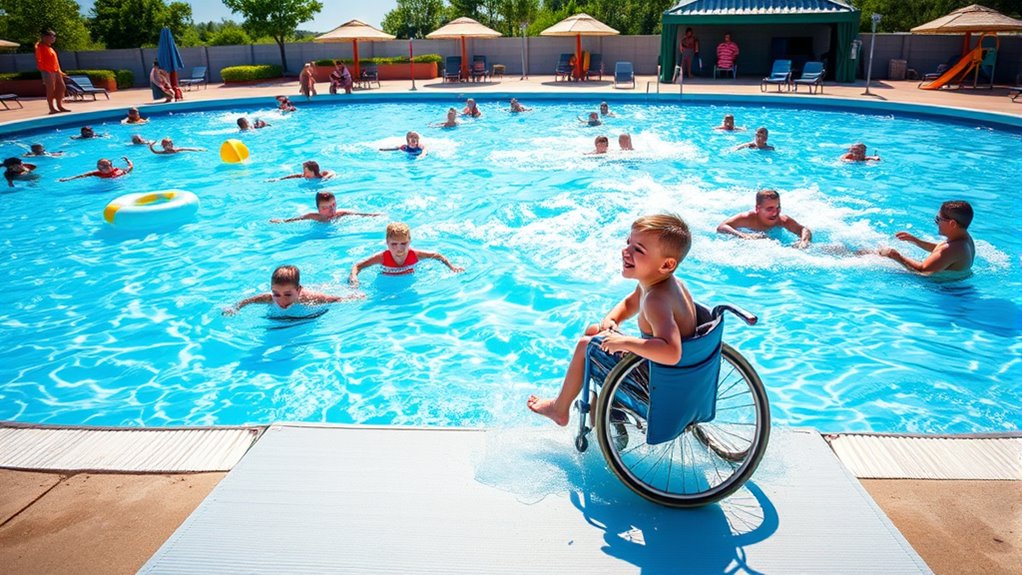
Have you ever wondered how accessible wave pools are for everyone? You might think of them as just fun attractions, but when it comes to inclusivity, there’s more beneath the surface. Wave pools can be a fantastic experience for all, but they need to be designed and maintained with everyone in mind. If you’re someone who uses assistive devices, you know how vital it is to have facilities that accommodate your needs.
Imagine you arrive at a wave pool, enthusiastic to plunge into the fun. You see ramps instead of stairs, wide pathways, and accessible changing rooms. These elements make a huge difference. Facilities that prioritize inclusivity often have specific features like pool lifts, which allow individuals with mobility challenges to enter the water safely. It’s essential that these assistive devices are well-maintained and easily visible, so you can enjoy your time without unnecessary hurdles.
But it’s not just about physical features; staff training plays a vital role in accessibility. Dedicated staff members who understand how to operate assistive devices can make your experience smoother and more enjoyable. Well-trained staff can also provide assistance when needed, ensuring that everyone can participate in the fun without feeling isolated or anxious. If you’ve ever had to ask for help, you know how important it is to feel comfortable and supported.
Moreover, inclusive design isn’t just a one-time effort; it requires ongoing commitment. Regular training for staff helps them stay updated on best practices for accessibility. Imagine if every time you visited, the staff greeted you with a smile, ready to assist, and fully aware of how to meet your needs. That’s the kind of environment that promotes true inclusivity.
Communities that prioritize accessibility in wave pools not only enhance the experiences of individuals with disabilities but also create a welcoming atmosphere for everyone. When you think about it, a wave pool that caters to all abilities encourages more people to enjoy its waves, leading to a more vibrant and diverse community. Additionally, supportive resources for new parents can parallel the importance of inclusivity, as everyone deserves access to joyful experiences.
In the end, making wave pools accessible isn’t just about compliance; it’s about creating a joyful experience for all. By focusing on assistive devices and staff training, we can guarantee that everyone can make a splash, no matter their abilities. So next time you hit the waves, take a moment to appreciate the efforts made for inclusivity.
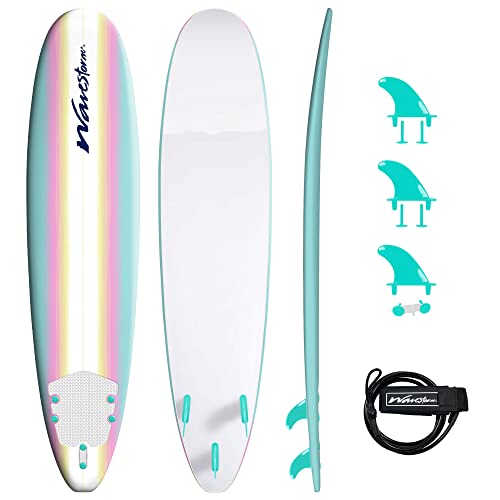
WAVESTORM Classic Soft Top Foam 8ft Surfboard Surfboard for Beginners and All Surfing Levels Complete Board Set Including Accessories Leash and Fins,Burst,8 Feet x 22.5 Inch x 3.25 Inch
Soft Foam Construction Classic Surfboard, strong EPS core with 3 stringer system
As an affiliate, we earn on qualifying purchases.
Frequently Asked Questions
Are Wave Pools Safe for Individuals With Mobility Challenges?
Wave pools can be safe for individuals with mobility challenges if proper safety protocols are followed. You should always check if the facility accommodates mobility aids, like wheelchairs or walkers, and make sure accessible entry points. Look for designated areas that offer assistance and clear signage. It’s crucial to communicate your needs to staff, as they’re trained to help. With the right precautions, you can enjoy the wave pool experience confidently and safely.
What Adaptive Equipment Is Available for Wave Pool Users?
You’ll find various adaptive equipment available for wave pool users. Assistive devices like flotation aids and specialized harnesses can enhance safety and comfort. Adaptive swimwear, designed for easy movement and quick drying, helps you enjoy the water without restrictions. Additionally, some facilities offer wheelchairs suitable for wet environments, allowing easier access to the pool. With the right gear, you can fully experience the fun and excitement of wave pools!
How Can I Provide Feedback on Wave Pool Accessibility?
Imagine the sound of waves crashing while you float freely, feeling the sun’s warmth. To provide feedback on wave pool accessibility, you can use feedback channels like online forms or suggestion boxes at the facility. Keep an eye out for accessibility surveys that may pop up during your visit. Your insights help shape a more inclusive experience, ensuring everyone can enjoy the thrills of the waves without barriers.
Are There Specific Hours for Individuals With Disabilities?
Yes, many wave pools offer disability-specific hours to guarantee accessible scheduling for individuals with disabilities. These hours provide a quieter and more accommodating environment, allowing you to enjoy the facility without the hustle and bustle of peak times. It’s best to check with your local wave pool for their specific schedule and availability. Don’t hesitate to ask staff about any programs they have in place to support your needs during your visit.
What Training Do Staff Receive on Accessibility in Wave Pools?
Did you know that 1 in 4 adults in the U.S. live with a disability? For this reason, staff training on accessibility in wave pools is vital. You’ll find that employees receive specialized training focused on accessibility awareness, which helps them understand the needs of all guests. They learn how to assist individuals with various abilities, ensuring everyone can enjoy the facility safely and comfortably. This commitment fosters an inclusive environment for all.

THURSO SURF Aero 7ft Soft Top Foam Surfboard for Beginner Adults and Kids Lightweight Shortboard for Surfing Beach Fun and Water Sports – Durable, Stable, and Easy to Ride for All Levels Surfers
Beginner-Friendly Design: Designed with beginners in mind, this 7ft foam surfboard offers a stable, forgiving platform that makes...
As an affiliate, we earn on qualifying purchases.
Conclusion
Incorporating inclusive design in wave pools isn’t just a nice-to-have; it’s essential. Did you know that nearly 20% of the world’s population lives with some form of disability? By creating accessible wave pools, we can guarantee that everyone, regardless of ability, can enjoy the thrill of the waves. Let’s celebrate diversity in water recreation, making sure every splash counts! Together, we can transform wave pools into welcoming spaces for all.

Fender x Wavestorm Collaboration 8ft Surfboard | Graphic top Deck with high Density Slick Bottom | for Kids and Adults | Foam Construction with Accessories | Leg Leash and Fin Set Included
The Wavestorm 8ft surfboard dimensions are 96 l x 22.5" w x 3.25" thick - weight is 11.4lbs...
As an affiliate, we earn on qualifying purchases.

Pool Vacuum for Above Ground Pool, Lasts Up to 180 Mins, Self-Parking, LED Indicator, Wall Climbing Above Ground Pool Vacuum for Inground Pools, Robotic Pool Cleaner for Pools up to 2000 Sq.ft
【Cordless Freedom, Smart Cleaning】: Say goodbye to tangled cords and manual hassle,reduce the burden on the waist and...
As an affiliate, we earn on qualifying purchases.