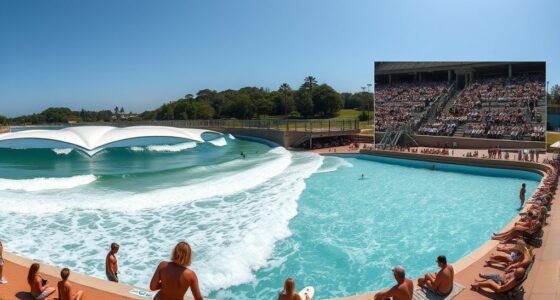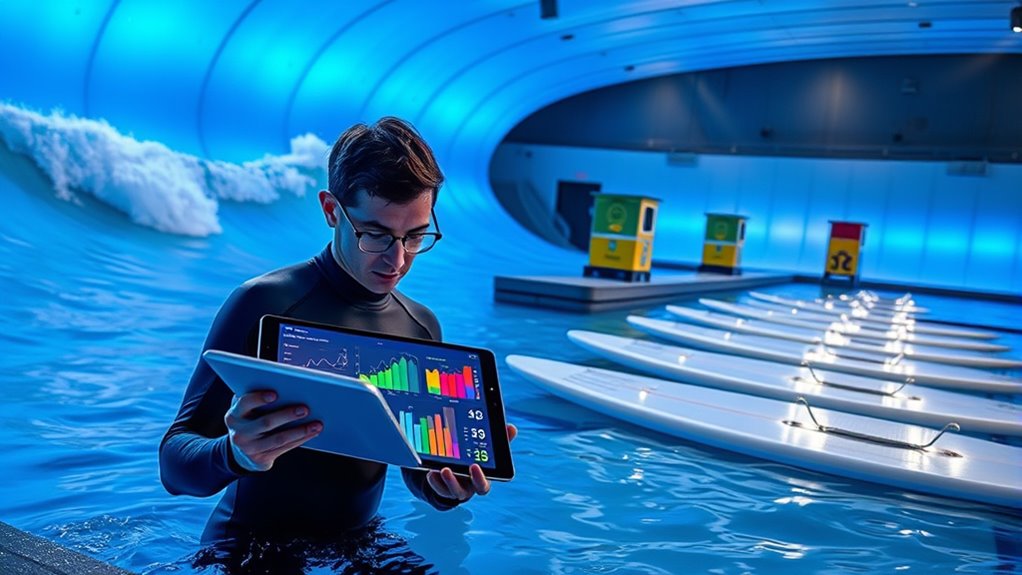

In wave pools, competitive training metrics focus on safety, consistency, and technical skill development. You’ll track maneuver success rates, control times, and wave catch counts to gauge progress. Safety adherence, including proper falling techniques and wave selection, is also key. Monitoring paddle stamina and session performance helps refine your training. These controlled environments allow precise measurement, giving you clear feedback for improvement. Keep exploring to discover how to optimize your wave pool training and stay ahead of the competition.
Key Takeaways
- Measurement of wave consistency and predictability specific to the wave pool environment.
- Metrics evaluating maneuver success rates tailored to controlled, uniform wave sections.
- Safety benchmarks for confined spaces, including fall recovery times in the wave pool setting.
- Tracking adaptation to machine-generated wave patterns and stability during repetitive sessions.
- Session-specific stamina and endurance indicators considering the limited but intense wave exposure.
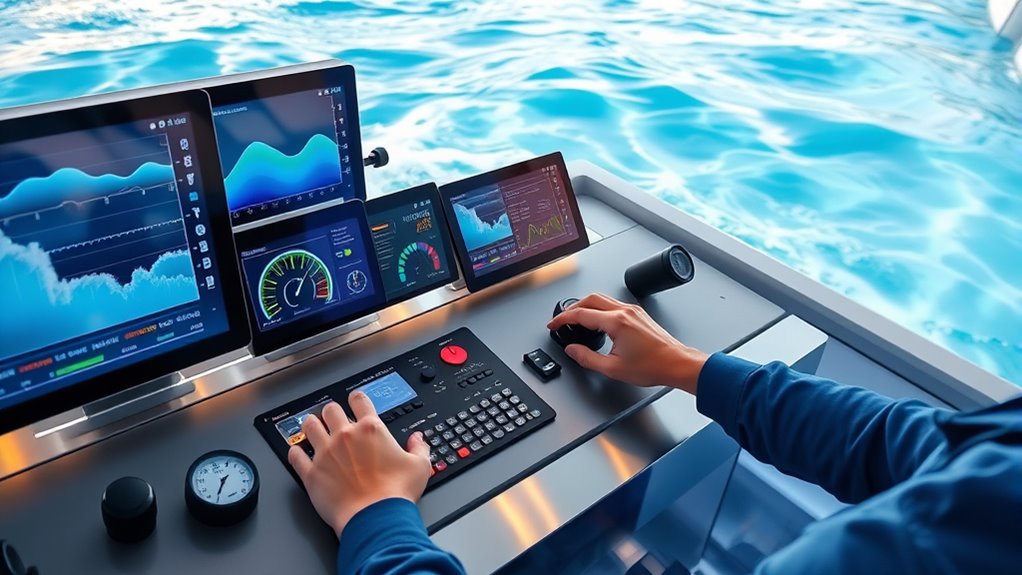
Wave pools offer a unique environment for training surfers, but measuring progress requires specific metrics. Unlike open ocean surfing, where variables like wave unpredictability and weather play significant roles, wave pools allow for controlled conditions that make tracking improvements more straightforward. To maximize your training, you need to focus on metrics that reflect both technical skill development and safety considerations. Wave pool safety is paramount; establishing clear benchmarks for safe maneuver execution, fall recovery, and maintaining control helps prevent injuries and builds confidence. When designing a training program, integrating these metrics ensures that progress is measurable and that safety remains a top priority.
Wave pools enable precise progress tracking through safety benchmarks and skill metrics, ensuring safe and effective surfer training.
One of the key metrics in a wave pool setting is wave consistency. As you train, you want to quantify how well you adapt to the predictable, repetitive waves. Tracking your ability to perform specific maneuvers on different wave sections indicates your progression in technique. For instance, measuring the number of successful cutbacks or snaps within a session offers concrete data on your skill development. You can also record the time it takes to execute a maneuver, which reflects your control and precision. These metrics are essential for refining training program design because they highlight areas needing improvement and help set realistic goals.
Another critical aspect is fall recovery time. Since wave pools often generate surges that challenge your balance, monitoring how quickly you recover from falls is a valuable metric. Faster recovery times indicate better control and understanding of your body in the water—an important safety indicator. Incorporating drills that focus on fall recovery can be tracked consistently, giving you tangible evidence of progress. This not only boosts your confidence but also reduces the risk of injury by emphasizing safety practices.
Wave pool training also benefits from tracking session consistency. You might record the number of waves caught per session or the percentage of waves successfully ridden from start to finish. These metrics help you understand your stamina, wave reading ability, and overall performance. When you analyze this data, you can tweak your training program design to focus more intensely on weak areas, such as paddling endurance or maneuver execution. It also allows you to set incremental goals, making your training more structured and goal-oriented.
Lastly, safety-related metrics should include adherence to safety protocols during each session. Tracking how well you follow safety guidelines—like proper falling techniques or wave selection—can prevent accidents and foster a disciplined approach to training. By establishing clear safety metrics, you reinforce the importance of wave pool safety, ensuring that your development as a surfer occurs within a secure environment. Additionally, understanding how Kia Tuning upgrades can improve vehicle handling and safety underscores the importance of precision and control, applicable metaphorically to surfing training. Overall, these specific training metrics enable you to measure progress accurately, refine your skills systematically, and uphold safety standards effectively in the controlled setting of a wave pool.

Fender x Wavestorm Collaboration 8ft Surfboard | Graphic top Deck with high Density Slick Bottom | for Kids and Adults | Foam Construction with Accessories | Leg Leash and Fin Set Included
The Wavestorm 8ft surfboard dimensions are 96 l x 22.5" w x 3.25" thick - weight is 11.4lbs...
As an affiliate, we earn on qualifying purchases.
Frequently Asked Questions
How Do Wave Pool Metrics Differ From Traditional Swimming Pool Metrics?
When comparing wave pool metrics to traditional pools, you notice that wave intensity and wave consistency are key differences. In wave pools, you measure how strong and steady the waves are to optimize your training or competition. Unlike traditional pools, which focus on lap times and strokes, wave pools require monitoring these dynamic factors to guarantee a consistent and challenging environment. This helps you improve your skills in a realistic, surf-like setting.
What Safety Considerations Are Integrated Into Wave Pool Training Metrics?
Think of wave pool training like steering a busy river; safety measures are your life jacket. You automatically incorporate risk assessments and emergency protocols into your metrics to prevent accidents. For example, monitoring wave intensity and swimmer proximity helps you identify hazards early. This proactive approach guarantees you can swiftly respond to emergencies, keeping everyone safe while they enjoy the excitement and challenge of wave pool training.
Can Training Metrics Be Customized for Different Skill Levels?
You can definitely customize training metrics for different skill levels by using personalization strategies and skill level differentiation. As you set up these metrics, consider the individual’s experience, strengths, and areas needing improvement. This approach guarantees each person gets targeted feedback and challenges suited to their abilities. By tailoring the metrics, you make training more effective and engaging, helping everyone progress at a comfortable yet motivating pace.
How Do Environmental Factors Influence Wave Pool Training Data?
Think of your wave pool training as sailing through a dynamic sea—environmental impact and water temperature are your unpredictable currents. Warmer water might energize your muscles, boosting performance, while cooler temps could slow your progress. These factors influence your training data, making it essential to monitor and adjust. By understanding how environment shapes your experience, you can fine-tune your efforts and ride the wave to better results.
Are There Industry Standards for Measuring Performance in Wave Pools?
You might wonder if there are industry standards for measuring performance in wave pools. While formal standards are limited, many operators focus on wave consistency and user feedback to gauge success. These metrics help you track how well the waves meet user expectations and maintain quality. By prioritizing wave consistency and gathering user feedback, you can improve training outcomes and guarantee a better experience, even without strict industry benchmarks.
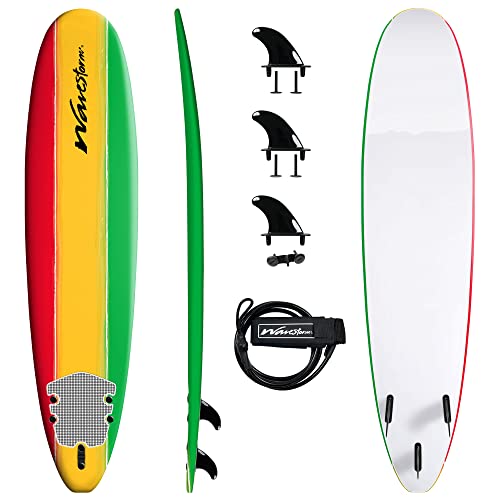
Wavestorm - Classic Soft Top Foam 8ft Surfboard (Tri Color Solid
Soft Foam Construction Classic Surfboard, strong EPS core with 3 stringer system
As an affiliate, we earn on qualifying purchases.
Conclusion
As you navigate the surf of competitive wave pools, these unique metrics act as your compass, guiding your progress through turbulent waters. They’re the lighthouse shining through the fog of uncertainty, illuminating your strengths and pinpointing areas to refine. Embrace these tools as your trusted allies, turning each session into a symphony of precision and power. With dedication and insight, you’ll ride the waves of success, carving your legacy into the ever-changing ocean of competition.

Wave Storm 8ft Surfboard // Foam Wax Free Soft Top Longboard for Adults and Kids of All Levels of Surfing,Mix,AZ22-WSSF800-B
Soft foam construction Classic surfboard, strong EPS core with 3 Stringer System
As an affiliate, we earn on qualifying purchases.

THURSO SURF Aero 7ft Soft Top Foam Surfboard for Beginner Adults and Kids Lightweight Shortboard for Surfing Beach Fun and Water Sports – Durable, Stable, and Easy to Ride for All Levels Surfers
Beginner-Friendly Design: Designed with beginners in mind, this 7ft foam surfboard offers a stable, forgiving platform that makes...
As an affiliate, we earn on qualifying purchases.