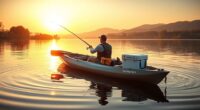
To read river currents and tides for kayaking, observe visual cues like ripples and eddies. Watch for moving debris, as it can reveal the flow direction. Knowing the river’s shape and the effects of obstacles is vital, as they create stronger currents. Pay attention to tides—paddle with rising tides for easier navigation. Stay aware of weather changes, as they can affect water conditions. There’s so much more to explore about currents and tides to enhance your kayaking experience.
Key Takeaways
- Observe visual cues like ripples, eddies, and foam to determine current speed and direction while kayaking.
- Understand tidal cycles, as rising tides can push water upstream, affecting your paddling strategy.
- Assess riverbed shape and obstacles, as they influence water movement and create stronger currents in certain areas.
- Stay aware of weather conditions, as rainfall and wind can rapidly alter river currents and water behavior.
- Trust your instincts and adjust your route if water conditions change unexpectedly for safety and efficiency.

Understanding river currents and tides is essential for anyone who spends time near water, whether you’re fishing, kayaking, or simply enjoying the view. If you’re planning to kayak, grasping how these natural forces work can make a big difference in your experience and safety on the water. You’ll want to pay attention to hydrodynamic patterns, which can tell you a lot about the river’s behavior. These patterns are created by the river’s flow, the shape of the riverbed, and obstacles in the water. They dictate how the water moves, what currents to expect, and where it’s safest to paddle.
Before you set out, check the tidal timing if you’re near an estuary or coast. Tides can considerably affect river currents. When the tide is rising, it can push water upstream, creating stronger currents. Conversely, during low tide, currents may be weaker, but that doesn’t mean it’s always easy. You’ll need to familiarize yourself with the cycle of the tides and when to expect the changes. This knowledge can help you plan your trip so you’re paddling with the current rather than against it, making your journey smoother and more enjoyable.
Check tidal timings before you kayak; understanding tides can enhance your experience and help you paddle with the current.
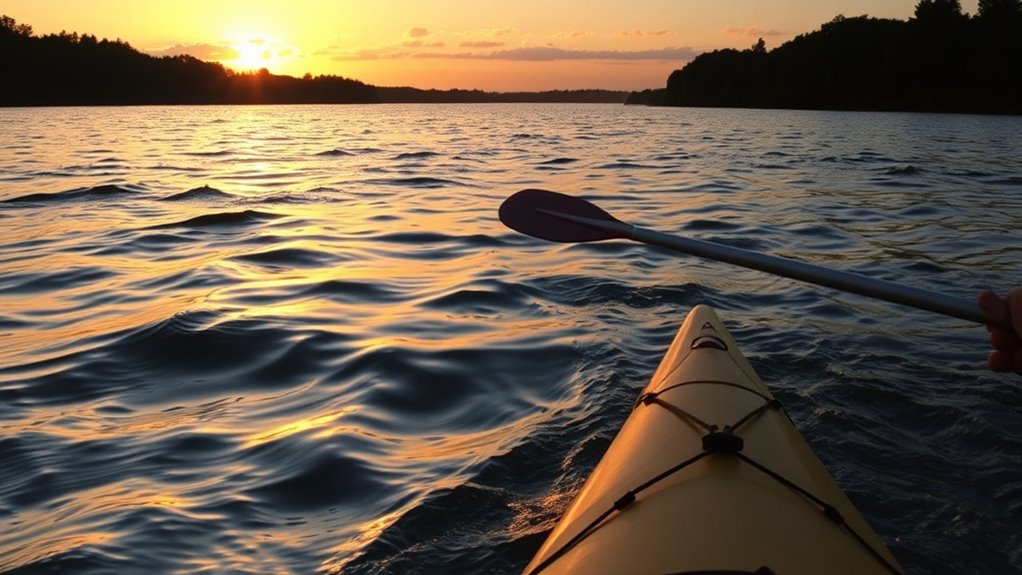
While you’re on the water, keep an eye out for visual cues that reveal hydrodynamic patterns. Look for changes in the water’s surface—ripples, eddies, and foam can indicate the speed and direction of the current. If you see debris or leaves moving in a certain direction, that’ll give you a clue about the current flow. In certain areas, you might notice water moving faster around bends or obstacles. Those spots can be tricky, so approach with caution and be prepared to adjust your route.
As you kayak, always stay aware of your surroundings. Rivers can be unpredictable, and currents can change quickly due to rainfall or wind. If you notice the water acting differently than you expected, trust your instincts. It’s better to paddle a little harder than to fight against a current that’s stronger than you anticipated. ultimately, keep an eye on the weather and local conditions, as these can impact both river currents and tides.
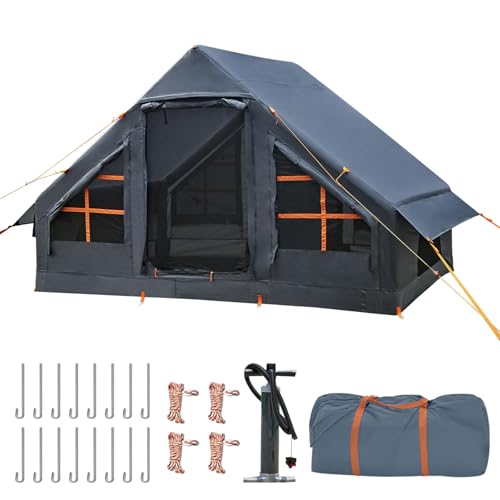
Inflatable Tents for Camping, 4-6 Person Easy Blow Up Tent with Hand Pump,4 Seasons Waterproof Air Inflatable Camping Tent House for Family Weekend Camping,Grey
【Fast Inflate Camping Tent – 5-Min Setup, More Fun Time】Put up this inflatable camping tent alone in just...
As an affiliate, we earn on qualifying purchases.
Frequently Asked Questions
What Equipment Do I Need to Measure River Currents and Tides?
To measure river currents and tides, you’ll need a few essential measuring tools. A reliable anemometer helps gauge wind speed, while a flow meter accurately measures water velocity. Don’t forget to check tide charts, which provide vital information about tidal changes. A GPS or smartphone app can also assist in tracking your location and water depth. With these tools, you’ll stay informed and safe on the water while enjoying your kayaking adventures.
How Do Weather Conditions Affect River Currents and Tides?
Weather conditions considerably affect river currents and tides. For instance, heavy rain can increase flow rates, leading to stronger currents, while dry spells might reduce them. Seasonal variations also play a role; spring melts can cause flooding, altering river dynamics. Additionally, wind patterns can influence surface currents, making navigation trickier. By staying aware of these weather patterns, you can better prepare for your kayaking adventures and guarantee a safer experience on the water.
Can I Kayak in Flooded Rivers or During High Tide?
Kayaking in flooded rivers or during high tide can feel like dancing on a wild sea. While it might be thrilling, it’s also dangerous. High tide paddling can expose you to strong currents and sudden obstacles. If the river’s swollen, you risk capsizing or losing control. Always prioritize safety—check conditions, wear a life jacket, and consider your skill level before setting out on flooded river kayaking. Sometimes, it’s best to wait for calmer waters.
What Are the Best Times to Kayak Based on Tides?
The best times to kayak are during tidal windows when currents are gentler and easier to navigate. Early morning or late afternoon often offers ideal timing, as tides can be more favorable then. Check local tide charts to plan your trips, aiming for slack tide, when the water’s movement slows. This’ll enhance your experience, making it safer and more enjoyable as you paddle through calmer waters. Enjoy your adventure!
How Can I Stay Safe While Kayaking in Strong Currents?
Kayaking in strong currents can feel like dancing with a powerful partner, but safety’s your best move. Always wear a life jacket and carry essential safety equipment like a whistle and a first aid kit. Familiarize yourself with emergency procedures—know how to signal for help and where to find safe exit points. Stay aware of your surroundings, and never hesitate to turn back if conditions become too challenging. Your safety’s worth it!
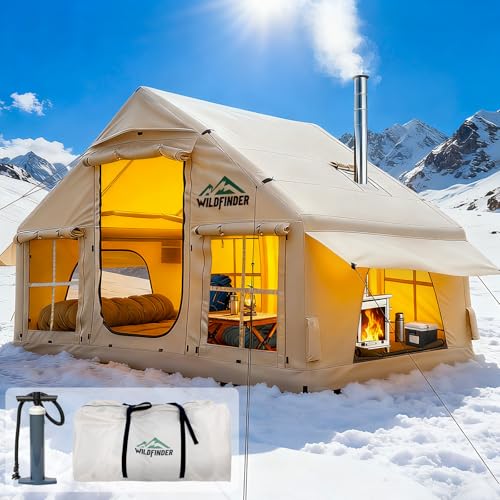
Inflatable Tent with Skylight, Quick Setup Blow Up Tents with Pump, Hot Tent with Stove Jack, Waterproof Oxford Inflatable House for Camping, Air Glamping Tents for Camping Adult 4-6 Person
Panoramic PVC Skylight + Optional Privacy Cover: A spacious PVC skylight stretches across one side of the roof,...
As an affiliate, we earn on qualifying purchases.
Conclusion
In summary, understanding river currents and tides is essential for a safe and enjoyable kayaking experience. By paying attention to the water’s movement, you can navigate more effectively and avoid potential hazards. So, next time you head out on the water, ask yourself: are you really prepared to read the signs of nature? With practice and awareness, you’ll not only enhance your skills but also deepen your appreciation for the beauty of rivers and tides.
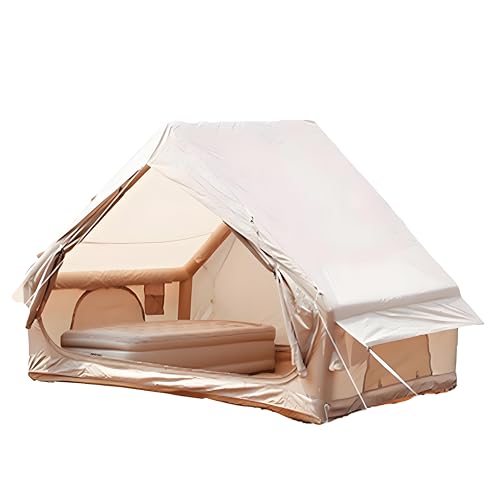
WENZEFZZB 2025 Upgraded Waterproof Inflatable Camping Tent for 5-8 People, No Assembly Needed Luxury Glamping House, Oxford Fabric Inflatable Camping Tents with Hand Pump
【Easy Installation】The inflatable camping tent does not need manual installation of support rods, and it has PVC tarpaulin...
As an affiliate, we earn on qualifying purchases.

Inflatable Camping Tent for 4-6 Person, with Electric Air Pump, 4 Season Waterproof Windproof, Clear Skylight & 420D Oxford Waterproof, Air Tent with Mesh Windows/Doors
【Spacious 4-6 Person Air Tent】Unfolded dimensions: 118"x82"x78" (9.83ft x6.83ft x6.5ft), packs into a 24"x14"x19" portable bag. Perfect for...
As an affiliate, we earn on qualifying purchases.