To tackle tidal race kayaking, you need precise timing to enter the strongest currents when manageable and plan your exit near calmer areas like eddy lines or sheltered coves. Recognize water cues, such as foam flow and shoreline shapes, to adjust your route and paddling. Proper gear, constant vigilance, and understanding water dynamics are key for safety and success. Keep exploring different strategies to improve your skills and stay safe in challenging conditions.
Key Takeaways
- Time your entry to coincide with peak currents for maximum flow and control.
- Observe water cues like foam and shoreline features to determine the best moment to begin.
- Identify safe exit points such as eddy lines or calmer zones before entering turbulent areas.
- Plan your route to stay within strong current channels while avoiding hazards near exits.
- Continuously monitor water conditions and be ready to adjust paddling and timing accordingly.
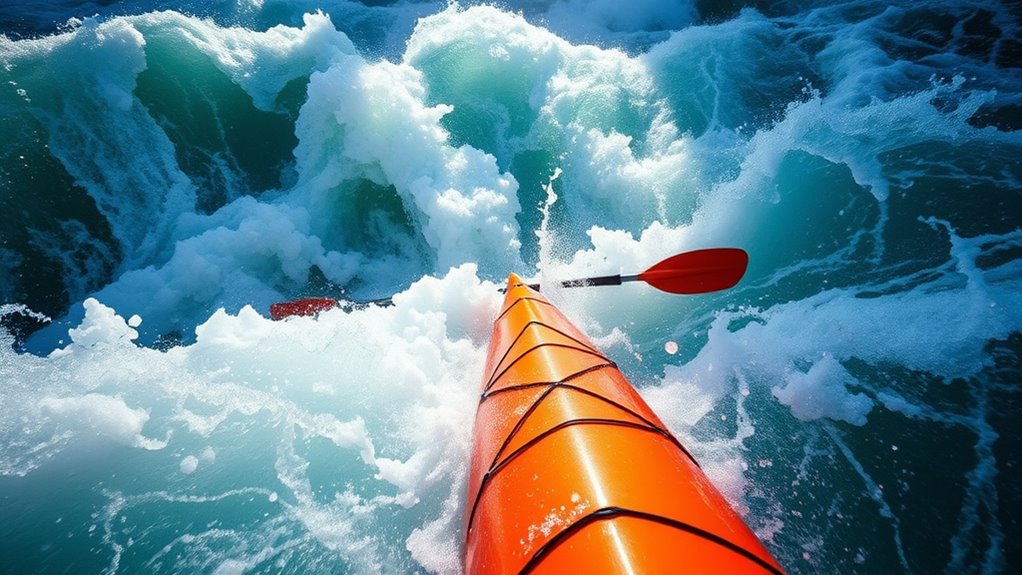
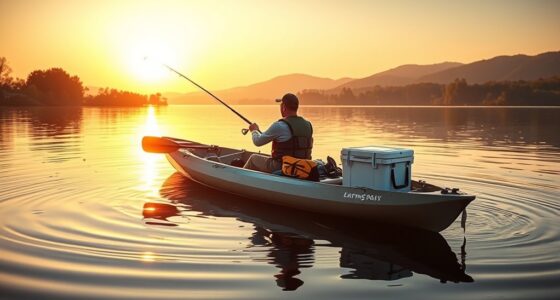
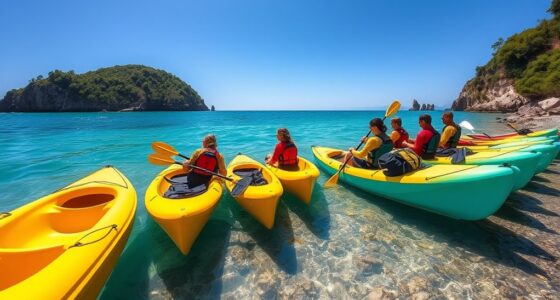
Tidal race kayaking offers an exhilarating challenge for paddlers who seek adrenaline and technical skill. When you venture into these powerful, fast-moving waters, your safety gear becomes your first line of defense. Wearing a well-fitted helmet, a buoyant personal flotation device, and appropriate wetsuits ensures you’re protected from impacts and cold temperatures. It’s essential to check your safety gear before each trip, making sure everything is in good condition. This preparation allows you to focus on your navigation strategies, which are critical for both safety and success in a tidal race.
Navigation strategies in tidal race kayaking involve understanding the water dynamics and reading the currents. As you approach the race, study the tide tables and local conditions to anticipate the water flow. Use visual cues such as the shape of the shoreline, eddies, and the movement of foam or debris to identify the best line through the race. It’s necessary to plan your route carefully, aiming to stay in the strongest current areas but avoiding hazardous spots like rocks, sweepers, or standing waves. Constantly adjust your paddling and steering to stay on course, especially as the water conditions change rapidly.
Understanding water currents and visual cues is key to safe tidal race navigation.
Timing your entry into the tidal race is essential. You want to hit the current at the right moment—when it’s strongest but still manageable for your skill level. Arriving too early might mean paddling against weaker, less predictable flows, while arriving too late could mean missing the peak current altogether or getting caught in an unpredictable backflow. Pay attention to the tide’s rise and fall, and synchronize your launch to coincide with ideal conditions. This approach not only improves your chances of a smooth passage but also reduces the risk of being caught in dangerous zones or losing control.
Planning your exit is equally significant. As you approach the end of the race, start looking for exit points or calmer water areas. Knowing where these spots are—such as eddy lines or sheltered bays—can help you exit safely and efficiently. Maintain awareness of the water’s behavior as you approach these zones, and be prepared to adjust your paddling to avoid hazards or strong currents that could push you off course. Having a clear exit plan minimizes the time spent in turbulent zones and helps you return to calmer waters with confidence.
In tidal race kayaking, success hinges on meticulous planning, precise timing, and well-practiced navigation strategies. Your safety gear provides protection, but your knowledge of the water and your ability to read the conditions will determine your overall safety and enjoyment. Practice these skills regularly, stay alert, and respect the power of the tide, and you’ll be able to navigate these thrilling waters safely and skillfully. Additionally, understanding the contrast ratio of your equipment can help you better evaluate the clarity and brightness of your view, especially in varying light conditions.

BORGUSI Treadmill with 15% Auto Incline - 350 LBS Capacity, 3.5HP Electric Folding Treadmill Up to 10MPH Speed, Running Machine with 20" Wide Tread Belt & LCD Display for Home Use, Bluetooth Speaker
【20" Wide Anti-Slip Shock-Absorbing Deck】BORGUSI upgrade 50" x 20" large running track to fit different users' strides. The...
As an affiliate, we earn on qualifying purchases.
Frequently Asked Questions
What Is the Best Time of Day for Tidal Race Kayaking?
The best tidal timing for kayaking depends on when the tides create ideal conditions, often during slack water or just after high or low tide. You’ll want to plan your trip during the optimal paddle hours when currents are manageable and safe. Check local tidal charts to determine the ideal window, usually a couple of hours around high or low tide, ensuring you enjoy a safer, more enjoyable experience with the best tidal race conditions.
How Do Weather Conditions Affect Tidal Race Safety?
You might think weather conditions don’t matter, but they’re vital for safety. Strong winds, rain, or storms can make tidal races unpredictable and dangerous. Always check tide prediction and weather forecasting before heading out. Calm, clear conditions reduce risk and improve control, letting you enjoy the thrill safely. Don’t underestimate how much weather impacts safety—being prepared helps you stay confident and ready for anything.
What Gear Is Essential for Tidal Race Kayaking?
When choosing gear for tidal race kayaking, you need to prioritize safety equipment and smart gear selection. Always wear a helmet, life jacket, and wetsuit suitable for water conditions. Carry a paddle leash, a whistle, and a waterproof communication device. Make certain your gear is secure and easily accessible. Proper gear not only boosts your confidence but also greatly enhances your safety, allowing you to react quickly in challenging situations.
How Can Beginners Safely Practice Tidal Race Techniques?
To safely practice tidal race techniques, focus on mastering beginner techniques in calm waters first. Always prioritize kayaking safety by wearing a helmet and life jacket. Practice rescues and self-rescue skills regularly. Start with small, manageable rapids and gradually progress. Keep a close eye on tide times and weather conditions, and never kayak alone. Building your skills step-by-step guarantees you develop confidence and safety in challenging tidal waters.
Are There Specific Locations Known for Ideal Tidal Race Conditions?
You should look for tidal race locations known for ideal conditions, where water flows strongly but predictably. Popular spots often have features like eddies and waves that are suitable for practicing, but verify you research local conditions carefully. Always check tide tables and weather forecasts before heading out. By choosing well-known tidal race locations, you increase safety and maximize your learning experience in these dynamic environments.
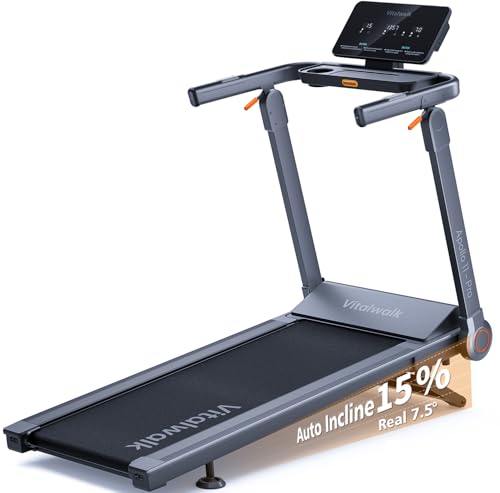
Foldable Treadmill with Auto Incline - Vitalwalk Commercial 48"x18" Wide Running Belt, 20% / 15% Incline, 10MPH, 3.5HP Brushless, Walking Pad Treadmill for Home, Auto Folding, No Installation, 350LBS
🏃【True Commercial-Grade Foldable Treadmill】Experience gym-quality workouts on a spacious 48" x 18" running belt and powerful 3.5HP brushless...
As an affiliate, we earn on qualifying purchases.
Conclusion
As you navigate the subtle dance of tidal race kayaking, remember that timing and exit strategies are your most trusted guides. With patience and keen observation, you’ll find yourself flowing gracefully through challenges, embracing the rhythm of the currents. Trust in your preparations, and let the gentle currents lead you safely home, where every encounter becomes a quiet affirmation to your skill and respect for nature’s nuanced artistry.
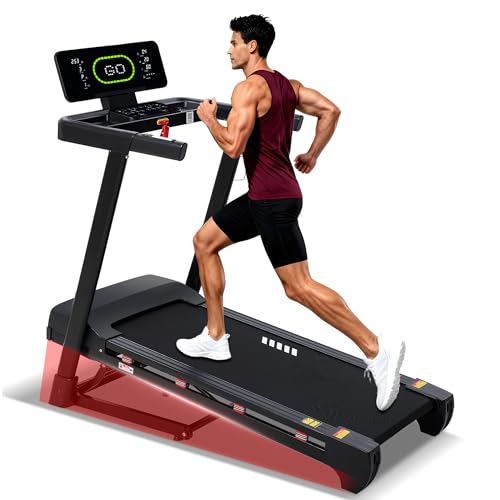
ECHANFIT Heavy Duty Treadmill for Home, 20-Level Auto Incline Treadmill 400 LB Capacity, 0.6-12 MPH, 20" Wide Deck, LED Display, Bluetooth Speaker, Foldable with App
【Heavy Duty Treadmill with 20-Level Auto Incline】Take your workouts to the next level with this heavy duty treadmill....
As an affiliate, we earn on qualifying purchases.

UMAY Fitness Treadmill with 20% Auto Incline,400LB Capacity,4.0HP & 9.5 MPH Speed,Foldable 55"x18"Ultra Large Wide Walking & Running Area Treadmill for Home with Handle (auto 20% Incline)
20-Level Auto Incline (2-20%):This treadmill with auto incline simulates real terrain with 20 adjustable levels, ranging from 2%...
As an affiliate, we earn on qualifying purchases.