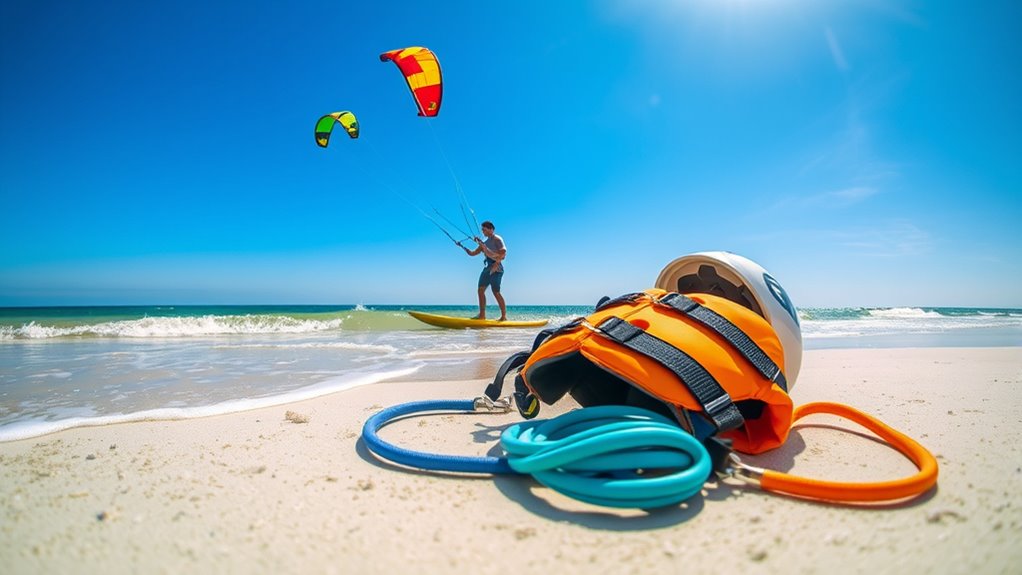

As a beginner kitefoiler, prioritize your safety by maintaining your gear. Regularly inspect for wear, rinse after each session, and store it properly. Before heading out, check wind conditions—aim for 10-20 knots and avoid storms. Assess water conditions too; choppy waves can affect balance. Stay informed about local weather patterns and always address minor gear issues right away. By following these essential tips, you’ll boost your confidence on the water and enhance your overall experience. Keep going to discover even more safety strategies!
Key Takeaways
- Always inspect your gear for damage before each session to ensure safe performance on the water.
- Monitor weather conditions and avoid kitefoiling during storms or high winds exceeding 20 knots.
- Choose calmer water days for practice, as choppy conditions can hinder balance and control.
- Rinse and store your equipment properly after each use to prolong its lifespan and maintain safety.
- Stay informed about local weather patterns to anticipate sudden changes that may impact your safety.

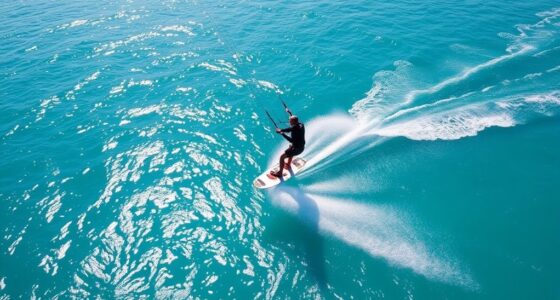
Kitefoiling can be an exhilarating experience, but it also comes with risks, especially for beginners. To enjoy this thrilling sport safely, you need to pay attention to a couple of critical factors: equipment maintenance and weather considerations. Being mindful of these aspects can considerably reduce your chances of accidents and enhance your overall experience.
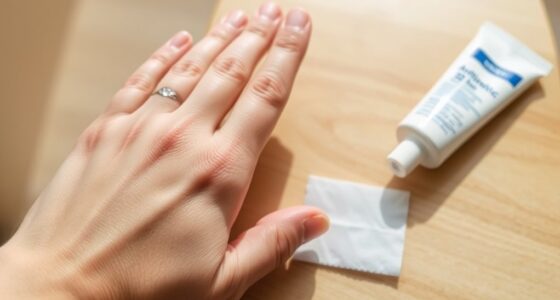
First, let’s talk about equipment maintenance. Your kite, board, and foil are your lifelines on the water, so keeping them in top shape is essential. Regularly inspect your gear for any signs of wear and tear. Look for frayed lines, damaged bladders, or cracks in the board. A small issue can escalate quickly when you’re out on the water, leading to dangerous situations. Don’t skip the pre-session check; it should be a routine part of your kitefoiling practice. After each session, rinse your equipment with fresh water to remove salt and sand, which can cause corrosion over time. Storing your gear in a cool, dry place away from direct sunlight can also prolong its lifespan. Investing a little time in equipment maintenance can save you from bigger problems down the line.
Regular gear inspections and proper maintenance are crucial for safe kitefoiling; a small issue can lead to big problems on the water.
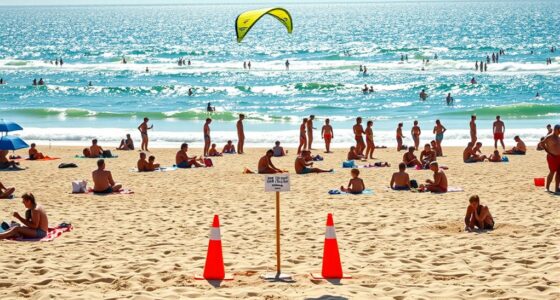
Now, let’s consider the weather. Before heading out, always check the wind conditions. Ideal wind speeds for beginners usually fall between 10 to 20 knots. Anything above that can be challenging and even hazardous if you’re not experienced. Use reliable weather apps or websites to get real-time updates, as conditions can change rapidly. Pay attention to local weather patterns; some areas may have unpredictable gusts, which can catch you off guard. Also, be cautious of storms. If you see dark clouds or hear thunder, it’s time to pack up and head to safety.
Beyond just wind speed, take into account the water conditions as well. Choppy waters can make it difficult to maintain balance, especially when you’re just starting. If you find yourself in rough conditions, it might be best to wait for a calmer day to hit the water. Additionally, understanding natural materials used in equipment can enhance your performance and safety while kitefoiling.
kitefoiling safety gear
As an affiliate, we earn on qualifying purchases.
As an affiliate, we earn on qualifying purchases.
Frequently Asked Questions
What Equipment Do I Need to Start Kitefoiling?
To start kitefoiling, you’ll need essential kitesurfing accessories like a kite, board, and harness. Don’t forget a control bar and lines for steering. Safety gear considerations are vital; a helmet and impact vest protect you, while a wetsuit keeps you warm. Make sure you have a leash to prevent losing your kite. With the right equipment, you’ll be ready to hit the water and enjoy the thrill of kitefoiling.
How Much Does Kitefoiling Gear Typically Cost?
Kitefoiling gear typically costs between $1,500 to $3,000, depending on the brand and quality. When you consider this gear investment, it’s essential to conduct a cost analysis to guarantee you’re getting the best value for your money. Don’t forget to factor in additional expenses like safety equipment and maintenance. By budgeting wisely, you can enjoy the thrill of kitefoiling without breaking the bank while ensuring you have the right gear to enhance your experience.
Can I Kitefoil in Any Weather Conditions?
You can’t kitefoil in just any weather conditions. It’s vital to assess the weather considerations before heading out. High winds or storms can be dangerous, so always check forecasts and local regulations. Wearing appropriate safety gear, like a helmet and impact vest, is essential. If conditions seem too risky, it’s better to wait for a better day. Your safety should always come first when enjoying kitefoiling adventures.
What Is the Best Location for Beginner Kitefoiling?
The best location for beginner kitefoiling is a flat, shallow body of water, ideally with consistent winds around 10 to 20 knots. Did you know that nearly 60% of kiteboarding accidents occur in crowded areas? To guarantee water safety, choose spots with fewer people and check local regulations before you start. Look for kiteboarding schools or designated zones that provide a safe environment for learning and practicing your skills.
How Long Does It Take to Learn Kitefoiling?
It typically takes a few weeks to several months to learn kitefoiling, depending on your dedication and prior experience. You’ll face a steep learning curve at first, but as you practice, your skill development will accelerate. Regular sessions on the water will help you progress faster, as you’ll gain confidence and refine your techniques. Stay patient, keep practicing, and soon enough, you’ll be riding the waves like a pro!
kitefoil inspection kit
As an affiliate, we earn on qualifying purchases.
As an affiliate, we earn on qualifying purchases.
Conclusion
As you set out on your kitefoiling journey, remember that safety’s your trusty compass guiding you through the winds. By following these tips, you’ll navigate the waves with confidence and skill. Embrace the thrill, but always keep your wits about you. Just like a kite soaring high, your enjoyment should never come at the cost of safety. So gear up, stay alert, and let the adventure unfold—it’s time to ride the winds and fly!

KiteKulture Premium Padded Kiteboard Day Bag for Travel; Ideal for Kitesurfing or Kiteboarding; Durable Board and Car Protection from Sand, Sun, and Scratches; Holds 2 Boards or 1 Board/2 Kites
As an affiliate, we earn on qualifying purchases.
As an affiliate, we earn on qualifying purchases.
weather-resistant kitefoiling equipment
As an affiliate, we earn on qualifying purchases.
As an affiliate, we earn on qualifying purchases.