
To prevent corrosion in foil components, you need to prioritize regular maintenance. Inspect for signs of wear and oxidation, and clean gently using suitable materials to avoid scratches. Store your equipment in dry environments and use protective covers to shield against moisture and dust. Remember that understanding the conditions that lead to corrosion is key. By following these practices, you can markedly extend the life of your foil components. You’ll discover even more effective strategies to enhance your maintenance approach.
Key Takeaways
- Conduct regular inspections to identify early signs of wear, discoloration, or oxidation on foil components.
- Utilize gentle cleaning methods with suitable products to prevent surface scratches that can harbor moisture.
- Store equipment in dry, clean environments and use protective covers to shield foil from dust and moisture.
- Understand environmental factors and tailor maintenance routines to mitigate corrosion risks effectively.
- Document inspection findings and maintenance actions to support ongoing planning and preventative measures.
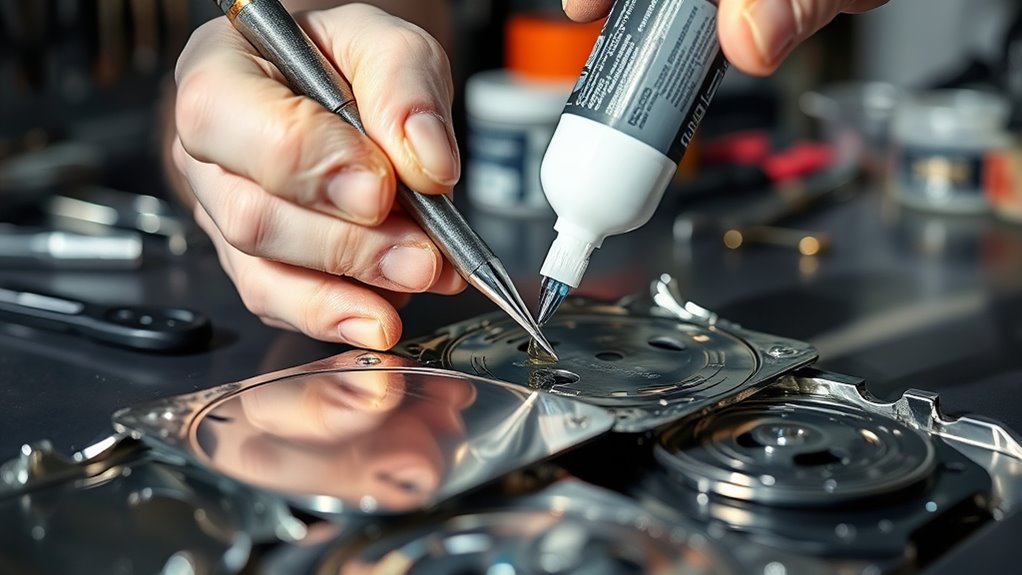
How often do you think about the maintenance of foil components in your equipment? If you’re like most, it’s probably not a top priority until something goes wrong. Yet, neglecting these parts can lead to significant problems, especially when it comes to corrosion. Corrosion is a slow but relentless enemy that can compromise the integrity and functionality of your equipment. By understanding corrosion prevention and implementing effective cleaning techniques, you can extend the life of your foil components.
First, it’s essential to recognize the conditions that lead to corrosion. Moisture, pollutants, and chemical exposure can all contribute to the deterioration of foil materials. To combat this, regular inspections are *crucial*. When you check your equipment, look for any signs of wear, discoloration, or oxidation. Catching these issues early can save you from more extensive damage and costly repairs down the line.
Recognizing corrosion conditions and conducting regular inspections are vital to prevent costly repairs and ensure equipment longevity.
Next, let’s talk about cleaning techniques. You might assume that a quick wipe-down is enough, but it’s not always that simple. Depending on the type of foil and its environment, you may need to use specific cleaning agents. For example, avoid abrasive materials that could scratch the surface, as this can create more spaces for moisture to settle. Instead, opt for soft cloths and gentle cleaners that are designed for the materials you’re dealing with.
Incorporating a regular cleaning schedule can also enhance your corrosion prevention efforts. Set aside time to clean your equipment, ideally after using it in harsh conditions. This doesn’t just keep your foil components looking good; it actively prevents corrosion from taking hold. If you notice any persistent stains or buildup, consider using more specialized products designed to remove tough grime without damaging the foil.
Another *essential* aspect of corrosion prevention is proper storage. If you’re not using your equipment regularly, store it in a dry, clean environment. Use covers or protective wraps to shield it from dust and moisture. This simple step can go a long way in maintaining the integrity of your foil components. Additionally, understanding the conditions that lead to corrosion can help you tailor your maintenance strategy effectively.

BISSELL Little Green HydroSteam Multi-Purpose Portable Carpet and Upholstery Cleaner, Car and Auto Detailer, 3618
EVERY PURCHASE SAVES PETS. BISSELL proudly supports BISSELL Pet Foundation and its mission to help save homeless pets.
As an affiliate, we earn on qualifying purchases.
Frequently Asked Questions
What Are the Signs of Corrosion on Foil Components?
You’ll notice several corrosion indicators on foil material, such as discoloration, pitting, or flaking. If you see a dull or chalky appearance, it often means corrosion is starting. Additionally, if the foil feels rough or has a powdery residue, it’s a sign that it’s degrading. Keep an eye out for these signs to address any issues early and maintain the integrity of your foil components effectively.
Can Corrosion Be Repaired, or Is Replacement Necessary?
Corrosion repair can be possible in some cases, but it often depends on the extent of the damage. Remarkably, studies show that about 40% of metallic structures suffer from corrosion-related issues. If the damage is minor, you might be able to repair it effectively; however, for severe corrosion, replacement is often necessary. Always assess the condition carefully before deciding on repair versus replacement necessity to ensure safety and longevity.
How Often Should Foil Components Be Inspected?
You should inspect foil components at least once a month to catch any potential issues early. An effective inspection schedule helps you maintain them properly and prevents costly repairs down the line. Depending on your environment, you might need to adjust the maintenance frequency—more frequent inspections in harsh conditions can save you headaches later. Stay proactive, and your foil components will remain in great shape longer!
Are There Specific Storage Conditions to Prevent Foil Corrosion?
To keep your foil from turning into a sad, rusty relic, you’ll want to store it in dry, cool conditions—no sauna for your foil, please! Make sure you’ve got environmental controls to reduce humidity and temperature swings. It’s not a vacation; it’s a foil’s life! A little attention goes a long way, so avoid damp basements and sunny windows. Treat it right, and you’ll have shiny foil for a long time.
What Protective Coatings Are Recommended for Foil Components?
For foil components, you’ll want to take into account several protective coatings that offer excellent corrosion prevention. Options like epoxy, polyurethane, and zinc-based coatings work well to shield against moisture and environmental factors. Each coating provides different levels of durability and resistance, so choose one based on your specific application needs. Regularly inspect these coatings to guarantee they maintain their integrity, helping you keep your foil components in top condition and prolonging their lifespan.

McCulloch MC1385 Deluxe Canister Steam Cleaner, 2-Hour Runtime, Chemical-Free, 23 Accessories: Mop Head, Brushes & More - Built for Home, Tile, Carpet, Furniture, & Personal Car Detailing
CHEMICAL-FREE CLEANING — Naturally deep clean without the use of harsh chemicals using hot, pressured steam to eliminate...
As an affiliate, we earn on qualifying purchases.
Conclusion
By keeping your foil components well-maintained, you’re not just preserving metal; you’re safeguarding a delicate dance between function and longevity. Think of it as wrapping your cherished items in a protective cloak, shielding them from the relentless storm of corrosion. Regular inspections and timely interventions are your umbrella, ensuring that even in the harshest conditions, your components shine bright and perform like a symphony. So, stay vigilant, and let your foil flourish in its brilliance!

PSOS Dehumidifier, Dehumidifiers for Home, 98 OZ Water Tank, (1000 sq.ft) Quiet Dehumidifier for Basement Bedroom Bathroom with Humidity Display, Auto Shut Off, Relaxing 7 Color Ambient Light(Gray)
【DUAL-CORE HIGH-EFFICIENCY DEHUMIDIFICATION】Combat excess moisture with this ultra-quiet dehumidifier for home use, featuring advanced dual-core semiconductor technology,extracting up...
As an affiliate, we earn on qualifying purchases.

BISSELL TurboClean PET, Upright Carpet & Upholstery Cleaner, 3948
EVERY PURCHASE SAVES PETS. Every purchase makes it possible for BISSELL to continue our support of BISSELL Pet...
As an affiliate, we earn on qualifying purchases.