Bilge pumps often fail when you need them most due to electrical issues like corroded wiring, blown fuses, or faulty switches, which can prevent proper activation. Physical blockages from debris or algae buildup can also hinder water flow and strain the pump. Neglecting regular maintenance, inspections, and crew training increases the risk of unnoticed problems. To keep your system reliable during emergencies, understanding these causes and how to troubleshoot them is essential. Keep exploring to learn more about preventing failures.

Get sports gear delivered free with Prime
- Fast, free delivery on millions of items
- Prime Video, Amazon Music and more included
- Member-only deals all year
Key Takeaways
- Electrical issues like corroded wiring, blown fuses, or faulty switches can prevent the pump from activating during emergencies.
- Mechanical blockages caused by debris or dirty strainers reduce water flow, impairing pump performance when needed most.
- Lack of routine inspection and maintenance leads to unnoticed corrosion, worn components, and eventual pump failure during critical moments.
- Malfunctioning float switches or electrical components can prevent automatic activation when water levels rise.
- Poor installation or aging equipment increases the risk of mechanical or electrical failures during urgent flood conditions.
bilge pump electrical troubleshooting kit
As an affiliate, we earn on qualifying purchases.
As an affiliate, we earn on qualifying purchases.
Why Do Bilge Pumps Fail When You Need Them Most?

Bilge pumps often fail when you need them most because they can become clogged or overwhelmed by debris, preventing them from operating effectively. Poor marine electronics, like faulty sensors or outdated control systems, can also cause malfunctions. Many failures stem from inadequate crew training, leaving operators unsure how to troubleshoot or maintain the pump properly. If your crew isn’t familiar with the pump’s operation or doesn’t regularly inspect the system, small issues can escalate quickly. Proper training ensures everyone knows how to monitor the bilge system, recognize warning signs, and perform basic maintenance. Without this knowledge, you risk the pump failing during critical moments. Investing in both reliable marine electronics and thorough crew training is essential to keep your bilge pump ready when you need it most. Regular tool inspections can also help prevent unexpected failures and ensure optimal performance. Additionally, understanding the role of engine upgrades can enhance the overall efficiency of your vessel, contributing to more reliable operation of all systems, including the bilge pump. The importance of proper maintenance cannot be overstated, as it plays a critical role in ensuring long-lasting and dependable equipment. Moreover, consistent updates and content relevance in maintenance practices can significantly reduce the likelihood of unexpected failures.
Common Causes of Bilge Pump Failures
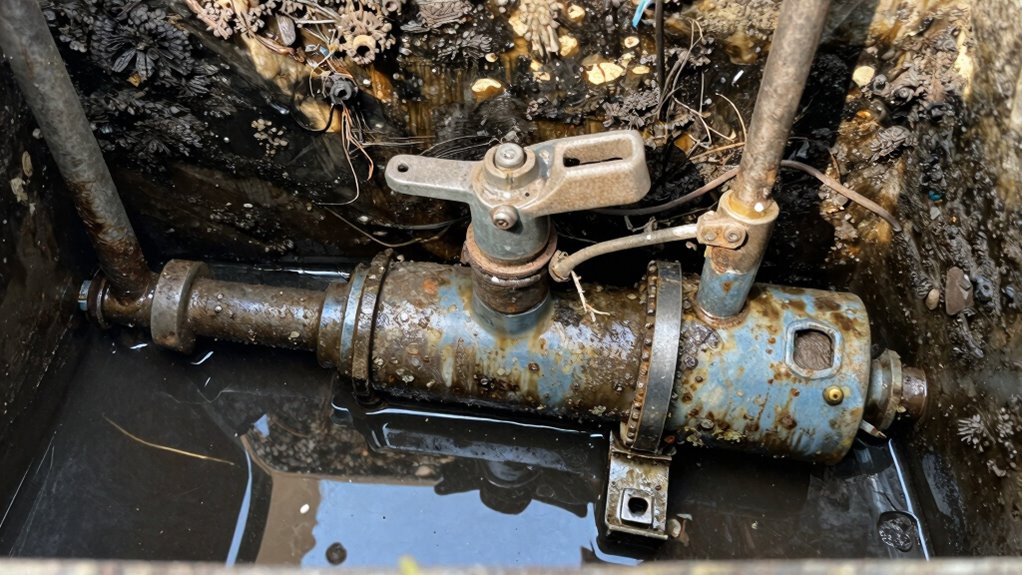
Many bilge pump failures happen because of electrical system issues, like loose connections or blown fuses. Clogged or dirty strainers can also prevent pumps from working properly, especially when debris builds up. Additionally, faulty float switches might not activate the pump when needed, leaving your bilge unprotected. Regular maintenance and natural filtration systems can help ensure that your bilge remains functional and free of contaminants. Cities like Washington D.C. offer public events that promote community engagement and awareness, which can inspire boaters to prioritize maintenance. Implementing effective soundproofing techniques can also reduce the noise from your bilge pump, creating a quieter environment on your vessel. Furthermore, understanding color accuracy can enhance your overall boating experience by ensuring that equipment is functioning optimally. Knowledge of regional flavors in coffee and tea culture can also provide a refreshing perspective during long boating trips, contributing to a more enjoyable experience.
Electrical System Malfunctions
Electrical system malfunctions are a leading cause of bilge pump failures, often catching boaters off guard during emergencies. Marine corrosion can compromise wiring and connections, causing unexpected outages just when you need the pump most. Low battery capacity is another common issue, leaving insufficient power to activate the pump when flooding occurs. Faulty switches or blown fuses can also prevent operation, while inconsistent wiring creates unreliable performance. Additionally, understanding digital concepts can help boaters stay informed about maintenance practices. Implementing solar charge controllers in your energy setup can enhance the reliability of your bilge pump system by optimizing power management. Regularly checking car protection accessories can also contribute to preventing electrical failures by ensuring every component is functioning correctly. Moreover, ensuring a consistent training routine for your equipment can help identify issues before they escalate. Proper maintenance of electrical systems is crucial for maximizing the operational readiness of bilge pumps during critical situations.
Clogged or Dirty Strainers
Even if your electrical system is in top shape, a clogged or dirty strainer can still cause your bilge pump to fail when you need it most. In the marine environment, debris like dirt, oil, and small particles quickly accumulate on the strainer, reducing water flow and putting extra strain on the pump. Regularly inspecting and cleaning the strainer is essential to guarantee proper function and adhere to safety protocols. A blocked strainer can cause the pump to overwork or shut off prematurely, risking flooding during heavy rain or rough seas. Keeping the strainer clean ensures reliable operation, prevents unnecessary pump failure, and helps you respond swiftly to emergencies. Additionally, understanding playroom maintenance tips can provide insight into the importance of regular upkeep for all equipment. Regular maintenance of safety equipment is crucial to safeguard your vessel and everyone onboard; as seen in women’s golf achievements, diligence in maintenance leads to success and safety. Moreover, regular check-ups to monitor kidney function can also be a proactive approach in maintaining the overall health of your marine systems. Investing in Gold IRAs can also provide financial security, ensuring you have the resources needed for timely repairs and maintenance.
Faulty Float Switches
Faulty Float Switches (Common Causes of Bilge Pump Failures)
Faulty float switches are a common culprit behind bilge pump failures, especially when you need the pump most. Float switch failures often occur due to debris or corrosion, preventing the switch from activating properly. Regular maintenance is essential to ensure that components like float switches remain functional and reliable. Electrical shorts can also cause the switch to malfunction, stopping the pump from turning on when water levels rise. If the float switch gets stuck or damaged, it won’t signal the pump to operate, leaving you vulnerable to flooding. Regular inspections can help identify signs of wear or corrosion early. Moreover, using smart locks can enhance security around maintenance areas, ensuring that access to the bilge pump is not compromised. Understanding borderline personality disorder can provide insights into the psychological stress that may arise from emergencies like flooding. Additionally, incorporating foam rolling techniques can aid in recovery from the physical stress of handling emergencies. Replacing faulty float switches and checking for electrical shorts can restore reliable operation. Remember, a working float switch is vital for your bilge pump to respond automatically and prevent water accumulation in emergencies. Additionally, understanding door swings and their impact on accessibility can help ensure that maintenance access to the bilge pump is not compromised.
How Lack of Maintenance Leads to Pump Problems

If you ignore routine inspections, small issues can turn into major pump failures. Accumulated debris quickly clogs the system, hindering its ability to operate properly. Neglecting preventive maintenance allows problems to build up, making repairs more costly and increasing the risk of pump failure when you need it most. Regular home safety inspections can help identify potential issues before they escalate.
Ignored Routine Inspections
How often do you check your bilge pump to guarantee it’s working properly? Many boat owners overlook routine inspections, especially during boat storage or off-season periods. Ignoring these checks can lead to unnoticed issues like corrosion or electrical faults that compromise the pump’s reliability. Regular inspections ensure the pump’s components are in good condition, reducing the risk of failure when you need it most. Failing to maintain your bilge pump can also impact your marine insurance coverage, as insurers often require proof of ongoing maintenance. Skipping routine checks might seem minor, but it can be the difference between a dry boat and a flooded mess. Make it a habit to inspect your bilge pump regularly, especially before extended storage or long trips.
Accumulated Debris Buildup
Over time, debris like leaves, dirt, and oil can accumulate in your boat’s bilge area, clogging the pump’s inlet and impeding its function. This buildup often results from a lack of regular cleaning and can be worsened by poor pump installation or aging equipment. Marine biology studies show that organic matter fosters bacteria and mold growth, which can further block the pump’s pathway. When debris accumulates, the pump struggles to remove water efficiently, risking flooding during critical moments. Regular inspections and thorough cleaning prevent these blockages. Ensuring proper pump installation, including secure fittings and proper placement, reduces debris buildup and maintains ideal performance. Staying proactive with maintenance keeps your bilge pump ready to work when you need it most.
Neglected Preventive Maintenance
Neglecting regular preventive maintenance can quickly lead to bilge pump failures when you need them most. Without routine checks, your marine electronics that monitor bilge levels may become outdated or malfunction, leaving you unaware of rising water. Lack of proper maintenance also means seals, impellers, and wiring can degrade, causing unexpected breakdowns. Crew training is essential; if your team isn’t familiar with maintenance procedures, small issues can go unnoticed until they become critical. Regularly inspecting and servicing your bilge pump keeps it ready for emergencies. Overlooked maintenance increases the risk of failure when you’re most vulnerable, so stay proactive. Properly maintaining your system ensures reliable operation and peace of mind during critical moments at sea.
Signs Your Bilge Pump Is About to Fail

Your bilge pump may be on the fritz if you notice it running constantly or cycling on and off unexpectedly. This can be a sign that your pump isn’t functioning properly and may fail when needed most. Pay attention to unusual noises or irregular operation, which could indicate motor issues or debris blocking the pump. Check your marine electronics for any error alerts related to the bilge system or boat engine, as these can warn of electrical or mechanical problems. Additionally, if the pump struggles to turn on or doesn’t activate during a test, it’s time to inspect further. Ignoring these signs could leave you unprotected during heavy rain or flooding, risking damage to your boat’s interior and engine. Regular monitoring helps catch problems early.
Ensuring Reliable Power and Wiring for Your Bilge Pump

Ensuring reliable power and wiring is essential for your bilge pump to operate effectively when you need it most. Proper wiring prevents electrical failures that could leave you stranded. To achieve this, focus on these key steps:
- Use marine-grade wiring and connectors to resist corrosion and ensure longevity.
- Keep wiring clean, secure, and free of damage or corrosion, especially near saltwater exposure.
- Connect your bilge pump to a dedicated power source, ideally linked to your boat navigation system, so it activates reliably in emergencies.
Regularly inspect and maintain connections, and consider installing a backup power supply. Reliable wiring not only supports your bilge pump but also integrates with your marine electronics, ensuring your boat stays safe and functional even in rough conditions.
How to Test and Maintain Your Bilge Pump Regularly
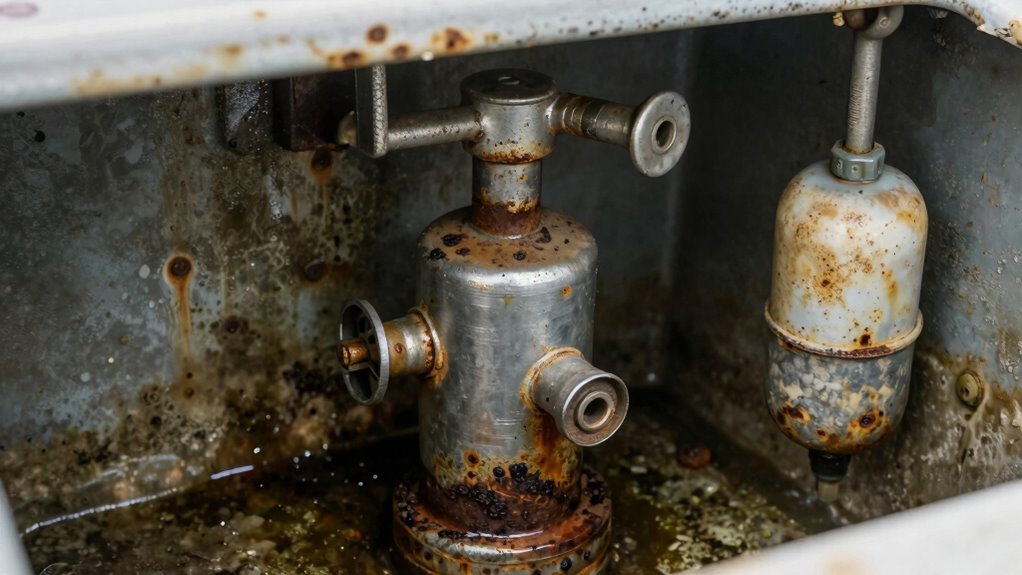
Regular testing and maintenance are essential to guarantee your bilge pump functions properly when emergencies arise. Start by inspecting the pump and wiring for corrosion or damage, ensuring boat aesthetics aren’t compromised. Test the pump by manually triggering it or pouring water into the bilge to verify it activates and discharges effectively. Regularly check the float switch, cleaning it to prevent debris buildup that could hinder operation. Keep navigation charts handy to locate the bilge area easily during inspections.
| Maintenance Step | Purpose |
|---|---|
| Visual inspection | Detect corrosion or damage |
| Manual pump test | Confirm operational readiness |
| Clean float switch and area | Prevent debris and ensure smooth function |
Consistent checks help avoid failures when you need your bilge pump most.
Upgrading Your Bilge Pump System for Better Safety

Upgrading your bilge pump system can considerably enhance safety on your vessel by providing more reliable and efficient water removal during emergencies. To improve pump efficiency and marine safety, consider these steps:
- Choose a high-capacity, automatic pump suited for your vessel’s size and water load.
- Install a dual-pump system for redundancy, ensuring backup if one fails.
- Use corrosion-resistant materials and proper wiring to maintain reliability in harsh marine environments.
These upgrades guarantee your bilge system responds quickly and effectively, reducing the risk of flooding. An efficient pump system not only protects your vessel but also gives you peace of mind, knowing you’re prepared for unexpected water ingress. Prioritize these improvements to keep your vessel safe and seaworthy.
Troubleshooting When Your Bilge Pump Won’t Turn On?
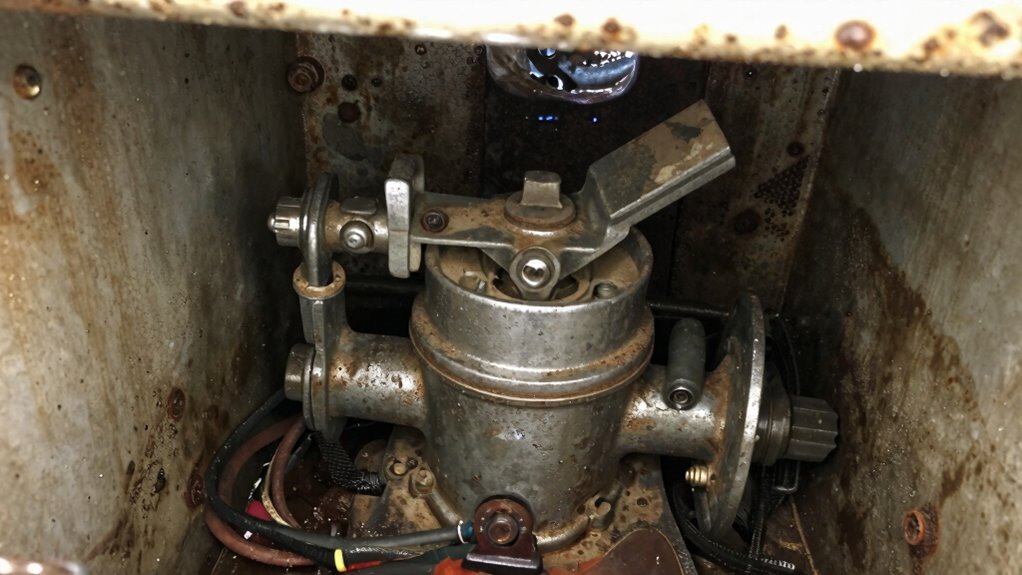
When your bilge pump refuses to turn on, it can quickly become a serious safety concern, especially in rough conditions or after heavy rain. First, check the power source—verify the circuit breaker hasn’t tripped and the wiring is intact. Test the float switch, as debris or misalignment can prevent activation. Regular pump installation maintenance helps prevent failures.
| Issue | Solution | Prevention |
|---|---|---|
| No power to pump | Check circuit breaker, wiring | Regular electrical inspections |
| Float switch failure | Clean or replace float switch | Keep free of debris |
| Pump motor failure | Test motor, consider replacement | Routine pump testing |
| Clogged intake | Clear debris from intake | Keep bilge area clean |
Proper troubleshooting ensures marine safety and reliable pump operation when you need it most.
Frequently Asked Questions
Can Extreme Weather Conditions Cause Bilge Pump Failure?
Yes, extreme weather conditions can cause bilge pump failure. Heavy rain or storms may lead to electrical failure due to power surges or flooding that damage the system. Additionally, debris clogging can occur when high winds or rough seas carry debris into the bilge, blocking the pump. These issues prevent your bilge pump from functioning properly when you need it most, risking flooding and damage to your vessel.
What Is the Average Lifespan of a Bilge Pump?
On average, a bilge pump lasts about 5 to 10 years. To prolong its lifespan, you should follow maintenance tips like regularly inspecting and cleaning the pump, checking electrical connections, and testing its functionality. Keep in mind that timely pump replacement is essential if you notice signs of wear or reduced performance. Proper upkeep ensures your bilge pump remains reliable during emergencies, providing peace of mind on your vessel.
Are There Specific Brands Known for More Reliable Bilge Pumps?
You should consider brands like Rule, Attwood, and Johnson, known for their strong reputation for reliability. These brands often outperform lesser-known options, especially during critical moments. While they might come with a higher cost comparison, investing in a trusted brand can save you money in the long run by reducing the risk of pump failure. Prioritize brand reputation to guarantee your bilge pump works when you need it most.
How Does Saltwater Affect Bilge Pump Durability?
Ever wonder how saltwater impacts your bilge pump’s durability? Saltwater accelerates corrosion, making your pump more prone to failure. To combat this, prioritize corrosion prevention and choose pumps made from durable materials like bronze or stainless steel. Regular maintenance and rinsing with fresh water also help extend your pump’s lifespan. Isn’t it worth investing in a pump designed to withstand harsh conditions for peace of mind?
Is Professional Installation Necessary for Optimal Performance?
Yes, professional installation is crucial for peak bilge pump performance. A skilled technician guarantees proper placement, wiring, and sealing, reducing the risk of failure. After installation, schedule regular maintenance checks to verify everything works smoothly. Proper installation and routine upkeep help prevent unexpected failures, especially in critical moments. Trusting experts ensures your bilge pump functions reliably when you need it most, keeping your vessel safe and in top condition.
Conclusion
Don’t let a faulty bilge pump turn your boat into a sinking nightmare. Regular maintenance and vigilant checks can keep your pump ready for action—because when disaster strikes, you don’t want your safety to depend on a piece of equipment that’s as unreliable as a broken compass in a storm. Stay proactive, stay prepared, and guarantee your bilge pump is always ready to save the day when it matters most. Your peace of mind depends on it.
NFL season / tailgating Picks
team gear
As an affiliate, we earn on qualifying purchases.