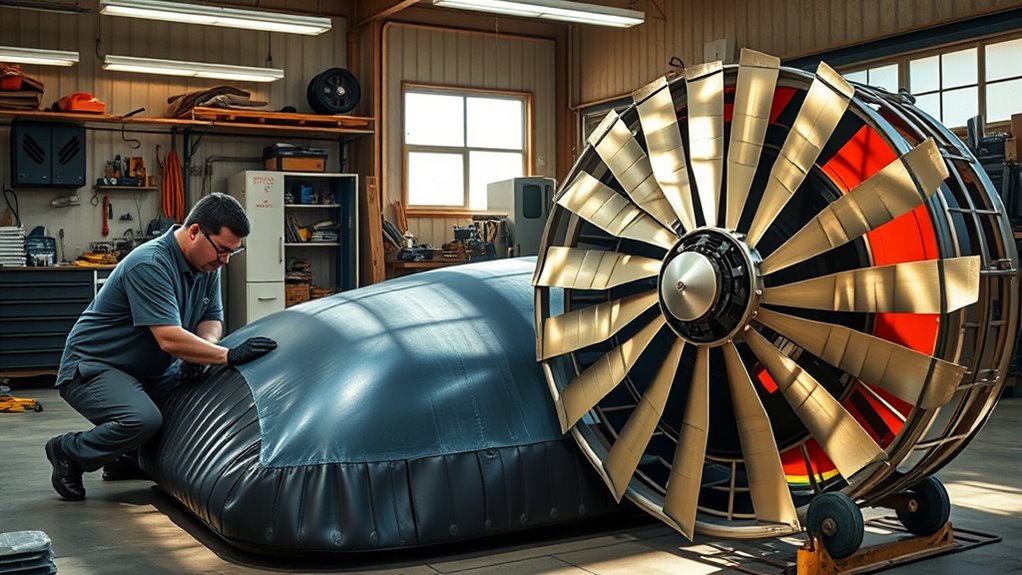

Repairing hovercraft skirts and fans is vital for keeping your craft running smoothly. Start by evaluating any damage to the skirt for tears or punctures. Small issues can often be patched up using adhesive kits, while larger problems might need a full replacement. Don’t forget to maintain your fan by cleaning the blades and checking for wear. Proper upkeep guarantees peak performance and safety. There’s plenty more to learn about effective repair techniques and materials.

Get sports gear delivered free with Prime
- Fast, free delivery on millions of items
- Prime Video, Amazon Music and more included
- Member-only deals all year
Key Takeaways
- Inspect hovercraft skirts for tears and punctures, assessing damage severity to determine repair needs or potential full skirt replacement.
- Choose appropriate materials for repairs, considering polyurethane for durability or rubber for flexibility based on hovercraft usage.
- Prepare for repairs by cleaning the damaged area thoroughly and gathering necessary tools like adhesive, patching kits, and scissors.
- Cut patches to fit the damaged area precisely, applying adhesive evenly for a strong, lasting bond during installation.
- Maintain fan performance by regularly cleaning blades and checking for wear, addressing any unusual noises or vibrations immediately.
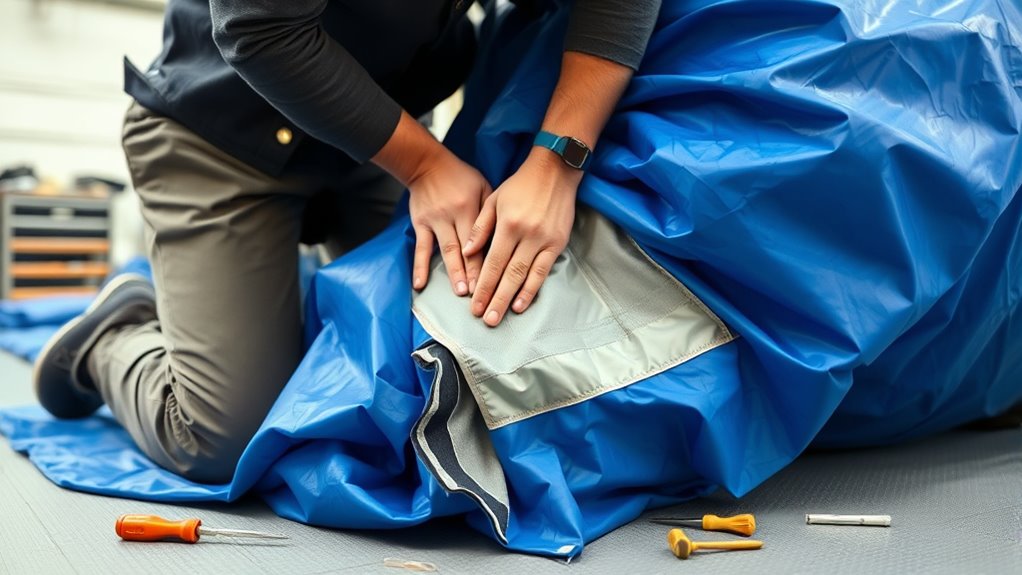
Have you ever wondered how to keep your hovercraft running smoothly? Proper hovercraft maintenance is essential for ensuring your vessel operates efficiently and safely. One of the most crucial components of your hovercraft is its skirt, which allows it to glide over surfaces by trapping air. Over time, the skirt can wear out or become damaged, so understanding how to repair it—and what materials to use—can save you time and money.
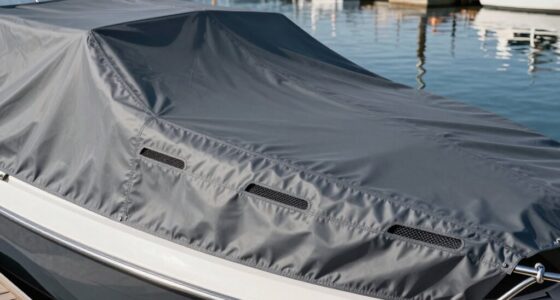
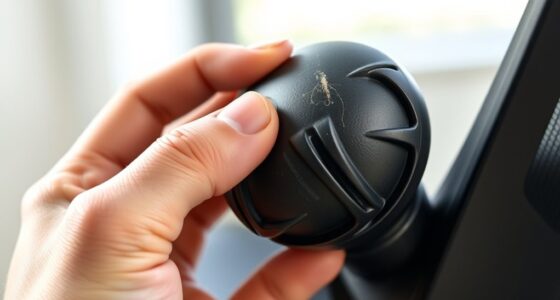
When it comes to repairing hovercraft skirts, you first need to assess the damage. Look for any tears, punctures, or worn-out sections. Depending on the severity, you might be able to patch small holes yourself. For more significant damage, you may need to replace the entire skirt. Before you get started, consider the skirt material choices available to you. Different materials offer varying levels of durability, flexibility, and weight. For example, polyurethane is a popular choice for its strength and resistance to wear, while rubber provides excellent flexibility but may not last as long in harsh conditions. Make sure to choose a material that suits your hovercraft’s intended use.
Once you’ve selected your skirt material, gather your repair tools. You’ll typically need adhesive, a patching kit, scissors, and possibly a heat gun if you’re working with certain materials. Begin by cleaning the area around the damage to ensure a strong bond with the adhesive. Cut the patch to size, applying it over the damaged area with the adhesive. If you’re dealing with a larger section or a full skirt replacement, follow the manufacturer’s guidelines for installation carefully.
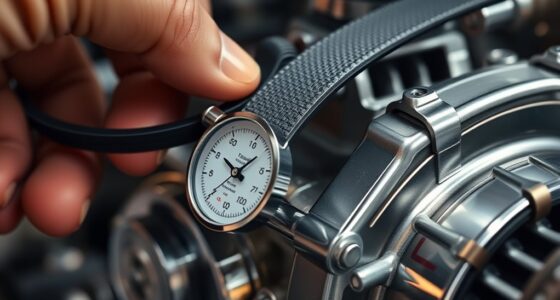
Don’t forget about the fans, either. They’re another critical component that requires your attention during hovercraft maintenance. Over time, fans can accumulate dirt and debris, which can affect their performance. Regularly cleaning the fan blades and checking for any signs of wear will help maintain optimal airflow and reduce the risk of engine failure. If you notice any unusual noises or vibrations, it might be time to inspect the fan for damage or consider a replacement.
In essence, maintaining your hovercraft involves a keen eye for detail and a willingness to tackle repairs as they arise. By understanding skirt material choices and committing to regular maintenance, you’ll ensure that your hovercraft remains in top condition for all your adventures. Additionally, having a reliable whole-home backup power source can be crucial during maintenance tasks to ensure all tools and equipment remain operational.
As an affiliate, we earn on qualifying purchases.
Frequently Asked Questions
How Long Do Hovercraft Skirts Typically Last Before Needing Replacement?
Hovercraft skirts typically last between 3 to 5 years before you’ll need to contemplate replacements. The lifespan really depends on skirt material durability and how often you use your craft. If you’re frequently steering rough surfaces or harsh conditions, the replacement intervals might be shorter. Regular inspections can help you identify wear and tear early, ensuring you maintain ideal performance and safety while enjoying your hovercraft adventures.
Can I Use Regular Glue for Skirt Repairs?
No, you can’t use regular glue for skirt repairs. It doesn’t offer the adhesive compatibility needed for durable fixes. Studies show that specialized adhesives can extend the lifespan of repairs by up to 50%. When choosing repair techniques, look for products specifically designed for your material. These adhesives guarantee a stronger bond and withstand the unique conditions hovercrafts face, making your repairs more reliable and effective in the long run.
What Tools Are Necessary for Fan Maintenance?
For fan maintenance, you’ll need several essential tools. Start with a screwdriver for disassembling the fan housing during fan blade inspection. A multimeter helps check electrical connections, ensuring everything’s working fine. Don’t forget lubricant for lubricating fan motors—it keeps them running smoothly. A cleaning brush or compressed air can help remove dust and debris. With these tools, you’re set to maintain your fan effectively and keep it in top shape!
Are There Specific Materials Recommended for Skirt Repairs?
For skirt repairs, you’ll want to focus on durable materials like PVC or nylon for effective skirt material selection. These provide excellent resistance to wear and tear. When it comes to adhesive options, look for high-strength repair adhesives that can withstand environmental stress. Make certain the adhesive is compatible with your chosen material to guarantee a solid bond. By using the right materials and adhesives, you’ll extend the life of your hovercraft skirt efficiently.
How Can I Prevent Future Damage to My Hovercraft Skirts?
Think of your hovercraft skirts as the protective wings of a bird; they need the right materials to soar. To prevent future damage, focus on skirt material selection that withstands harsh weather impacts. Choose durable, UV-resistant fabrics that can handle rain and sun. Regularly inspect for wear and tear, and store your hovercraft in a sheltered area when not in use. These steps will help keep your skirts in top condition for many flights ahead.
Conclusion
In the world of hovercraft maintenance, repairing skirts and fans is like breathing new life into a once-fading star. By addressing wear and tear with diligence and care, you not only guarantee smooth sailing across the water’s surface but also extend the craft’s journey through time. So, roll up your sleeves, embrace the challenge, and watch as your hovercraft transforms, ready to dance across the waves with renewed vigor and grace.
NFL season / tailgating Picks
team gear
As an affiliate, we earn on qualifying purchases.