

Maintaining your sailboat rigging is crucial for safety and performance. Regularly inspect wire ropes for fraying and signs of wear, and make sure turnbuckles are rust-free and turn easily. Don’t forget to check all hardware connections, like shackles and pins, for tightness. A well-aligned rig enhances your boat’s speed and responsiveness, so keep an eye on setup. Stay proactive with these checks, and you’ll enhance your sailing experience—there’s more you can do for peak rigging!
Key Takeaways
- Regularly inspect wire ropes for fraying, corrosion, and broken strands to ensure rigging integrity.
- Examine turnbuckles for corrosion, clean threads, and lubricate to maintain proper tension and functionality.
- Check all hardware, including shackles and pins, for tightness and signs of wear or damage.
- Ensure rigging components are properly aligned to enhance sailing performance and responsiveness.
- Conduct periodic inspections to maintain optimal rigging conditions and prevent costly repairs or accidents.

When you head out on the water, the last thing you want is to worry about your sailboat’s rigging. A well-maintained rig will keep your sailing experience smooth, allowing you to focus on the wind, waves, and the thrill of adventure. Regular inspections can save you headaches down the line, so make it a habit to check your rigging before every outing. This includes paying special attention to wire rope and turnbuckle inspections, as these are essential components that guarantee your safety and performance.
Start with the wire rope. Over time, wear and tear can compromise its strength, making it necessary to check for signs of fraying, corrosion, and fatigue. Grab the wire rope and run your fingers along its length, feeling for any irregularities. If you notice any broken strands or kinks, it’s time to replace that section of rope. Remember, the integrity of your rigging depends on the strength of your wire rope, so don’t take any chances.
Next up is the turnbuckle. These handy devices help you adjust the tension in your rigging, but they can also be prone to wear. Examine each turnbuckle closely for signs of corrosion or damage. Make sure the threads are clean and free of debris, as dirt can affect their operation. If you notice any stiffness when turning the screw, apply a little lubricant to keep it functioning smoothly. A proper turnbuckle inspection will guarantee that your rigging remains taut and responsive, letting you harness the wind effectively.
Don’t forget to check the connections, too. Inspect the shackles, pins, and other hardware for tightness and wear. Ensure that everything is secure and functioning properly. A loose or damaged connection could lead to a catastrophic failure, putting you and your boat at risk. Keeping your hardware in good condition is just as important as maintaining the lines themselves.
Finally, take a moment to review your overall rigging setup. Look for any signs of misalignment or improper angles that could affect your sailing performance. A well-tuned rig will not only make sailing more enjoyable but also enhance your boat’s speed and responsiveness. Additionally, color accuracy in your sailboat’s rigging setup can contribute to better visual alignment and overall performance.
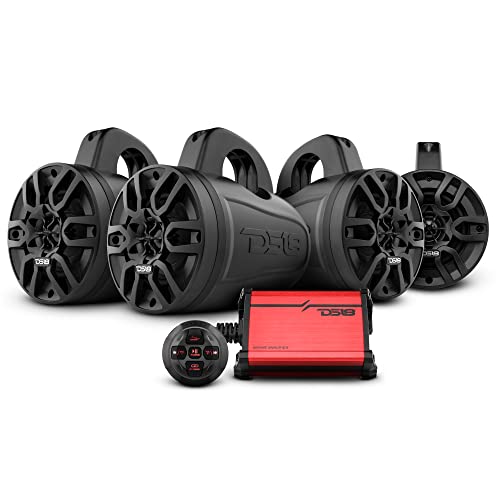
DS18 MP4TP.4A 4" 600W Bluetooth Marine Tower Speakers with Amplifier and Remote
PERFECT MATCH - This is a practical system with three of our Best Marine grade audio products: (4)...
As an affiliate, we earn on qualifying purchases.
Frequently Asked Questions
How Often Should I Replace My Sailboat Rigging?
You should replace your sailboat rigging every 5 to 10 years, depending on wear and usage. Regular rigging maintenance is vital; check for fraying, corrosion, or fatigue. If you sail frequently or in harsh conditions, consider replacing it more often. Always prioritize safety precautions—inspect your rigging before each outing to avoid potential failures. Keeping your rigging in good condition guarantees a safer and more enjoyable sailing experience.
What Tools Are Needed for Rigging Inspections?
For rigging inspections, you’ll need a few essential tools. A tape measure helps check line lengths, while a shackle key assists with hardware adjustments. Don’t forget a knife for cutting lines, and a splicing fid for knot tying. Familiarizing yourself with rigging terminology will also be beneficial, ensuring you understand each component’s purpose. Having a good set of pliers or wrenches is vital for tightening or loosening fittings as needed.
Can I Repair Rigging Hardware Myself?
Yes, you can repair rigging hardware yourself, but it depends on your skill level and the extent of the damage. For minor issues, like tightening screws or replacing small components, it’s manageable with basic tools. However, for significant rigging maintenance or hardware replacement, it’s wise to consult a professional. Always prioritize safety and make certain you’ve got the right materials to avoid future problems. Don’t hesitate to seek help if needed!
How Do I Choose the Right Lines for My Sailboat?
To select the right lines for your sailboat, start by considering material selection. Nylon is great for elasticity, while polyester offers UV resistance. Look for lines with adequate load capacity to handle your sail’s demands; check the breaking strength and guarantee it exceeds the expected loads. Don’t forget to factor in the line’s diameter and weight, as these can affect performance. Test different options before making a final decision for ideal sailing experience.
What Are the Signs of Rigging Failure to Watch For?
You’ve got to watch for frayed lines, corrosion, or unusual wear, as these signs often signal rigging failure. If you notice any inconsistencies, it’s time to pull out your safety inspection checklist. Remember, not all rigging materials are compatible, so mismatched components can lead to trouble. Keeping an eye out for these issues will help you sail smoothly and safely, ensuring your adventures stay enjoyable and worry-free.

Pyle 2-Way Dual Waterproof Off-Road Speakers, 4 Inch 800 Watt Marine Grade Wakeboard Tower Speakers System, Full Range Outdoor Audio Stereo Speaker for ATV, UTV, Quad, Jeep, Boat - PLUTV41BK, Black
AMPLIFY YOUR RIDE: Pyle’s 800W dual marine grade off-road speaker system is what you need to listen to...
As an affiliate, we earn on qualifying purchases.
Conclusion
In summary, keeping your sailboat’s rigging in tip-top shape is vital for safe sailing. Regularly inspecting lines and hardware not only enhances performance but also prevents potential problems. By diligently dedicating time to this essential task, you’re ensuring smooth sailing and steady safety. So, don’t delay—dive into those details and discover the difference a little maintenance can make. With proper care, your rigging will remain reliable, ready, and resilient for all your maritime adventures!

2-Way Dual Waterproof Off-Road Speakers - 5.25 Inch 1000W Marine Grade Wake Tower Speakers System, Full Range Outdoor Audio Stereo Speaker for ATV, UTV, Quad, Jeep, Boat - Pyle PLUTV51BK
AMPLIFY YOUR RIDE: Pyle’s 1000W dual marine grade off-road speaker system is what you need to listen to...
As an affiliate, we earn on qualifying purchases.
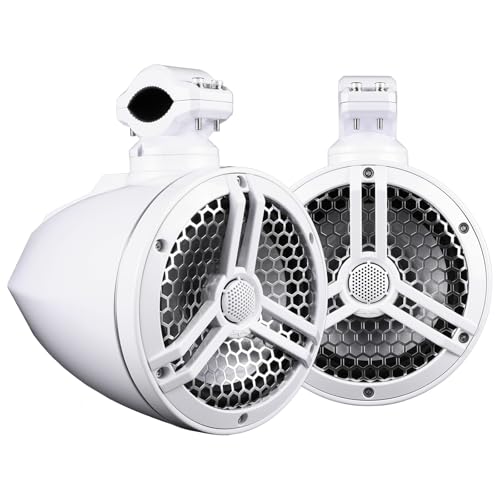
Skar Audio SK65M-TWR 6.5" 2-Way Marine Full Range 320 Watt Coaxial Tower Speakers, Pair (White)
6.5" 2-Way Coaxial Full Range Marine Grade Tower Speakers, Pair
As an affiliate, we earn on qualifying purchases.