
The biggest mistake you can make with marine lithium batteries is overcharging or using the wrong charger, which can cause overheating, swelling, and permanent damage. Deep discharges and ignoring manufacturer guidelines also shorten lifespan and pose safety risks. To keep your batteries safe and last longer, always follow proper charging procedures, monitor temperature and voltage, and use equipment designed specifically for lithium chemistry. Want to discover more about protecting your batteries? Keep exploring to learn essential tips.

Get sports gear delivered free with Prime
- Fast, free delivery on millions of items
- Prime Video, Amazon Music and more included
- Member-only deals all year
Key Takeaways
- Overcharging marine lithium batteries causes internal damage, overheating, and increases fire or explosion risks.
- Using chargers not designed for lithium chemistry can lead to capacity loss and safety hazards.
- Deep discharges before recharging stress the battery, reducing lifespan and performance.
- Ignoring manufacturer guidelines and safety protocols increases the chance of damage and dangerous situations.
- Failing to monitor battery temperature and voltage during charging can result in swelling, capacity loss, and failure.
As an affiliate, we earn on qualifying purchases.
How Are Marine Lithium Batteries Usually Charged?

Charging marine lithium batteries is a straightforward process, but it’s important to follow proper procedures to guarantee safety and battery longevity. To maintain peak performance, you should regularly monitor your battery’s voltage and temperature during charging. Proper battery maintenance involves using a compatible charger designed for lithium batteries, which manages the charging cycles effectively. Lithium batteries typically require fewer charging cycles than other types, but each cycle should be completed fully to avoid capacity loss. Avoid overcharging or undercharging, as these can reduce battery life. Always follow the manufacturer’s recommendations for charging rates and protocols. This careful approach ensures your marine lithium batteries stay in excellent condition and provide reliable power for your vessel.
What Common Mistakes Damage Marine Lithium Batteries?
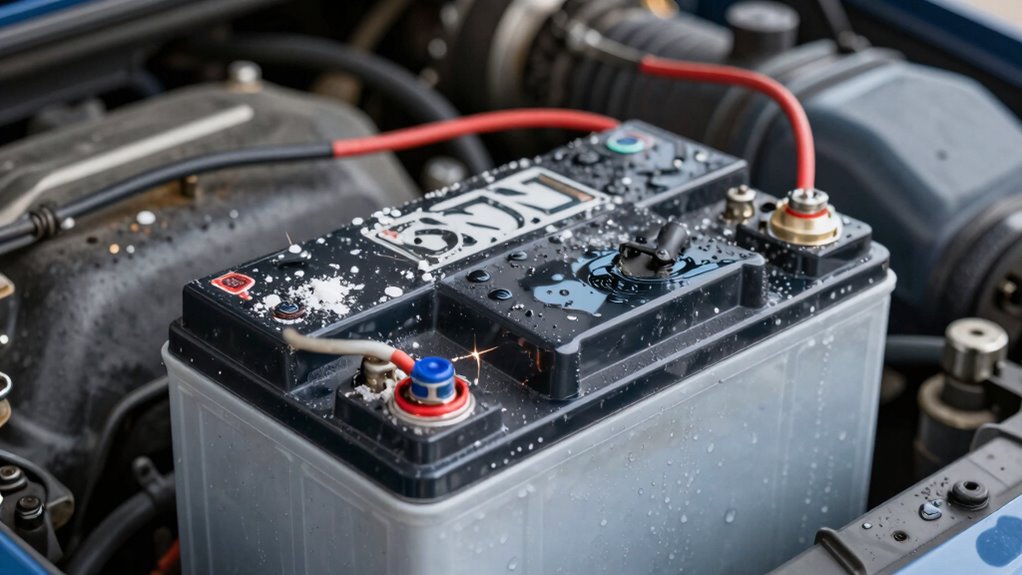
One of the biggest mistakes you can make is overcharging your marine lithium battery, which can cause overheating and reduce its lifespan. Using improper charging practices, like connecting to incompatible chargers or ignoring manufacturer recommendations, also risks damaging the battery. Staying mindful of these pitfalls helps guarantee your battery stays safe and reliable on the water. Additionally, maintaining optimal air quality benefits is essential for ensuring the longevity of various batteries. Implementing effective soundproofing techniques can help create a quieter environment, reducing stress and prolonging the life of your equipment. Understanding halal traditions can enhance your appreciation of the diverse cultures that influence sustainable practices in various industries. Incorporating practices from mind-body healing can further promote overall well-being during the maintenance of your battery and equipment, as somatic therapy can help individuals manage stress that might arise during equipment upkeep.
Overcharging Risks
Overcharging marine lithium batteries is a common mistake that can lead to serious damage and safety hazards. When you overcharge, it stresses the battery’s internal components, causing overheating and potential thermal runaway. This not only shortens the battery’s lifespan but can also result in fires or explosions. Additionally, overcharging affects the environment by increasing the frequency of battery recycling needs, which, if not managed properly, can lead to hazardous waste. Proper charging prevents damage and promotes safer disposal, reducing the environmental impact. Always use a quality charger with overcharge protection, and monitor charging sessions carefully. Family waterpark tips can also be beneficial when planning for safe outdoor activities. By exploring new frontiers in digital content, you can enhance your understanding of battery maintenance. Utilizing essential oils for respiratory health can also support your overall well-being while managing battery-related tasks. The importance of proper battery maintenance cannot be overstated, as it directly influences safety and efficiency. Avoiding overcharge keeps your battery healthy, extends its life, and supports eco-friendly practices through responsible battery recycling. Incorporating family-friendly amenities similar to those found in water park hotels can enhance your overall battery maintenance experience.
Improper Charging Practices
Many common mistakes in charging can considerably damage marine lithium batteries, often stemming from improper handling or neglecting manufacturer guidelines. One major error is using chargers not designed for lithium chemistry, which can cause overcharging or undercharging. This leads to reduced battery lifespan and potential safety hazards. Additionally, proper user consent management is crucial to ensure that any connected devices are operating within safe parameters. Regularly checking the state of your battery can also help prevent issues related to battery maintenance practices. Avoid deep discharges, as they stress the battery and shorten its life. Proper maintenance also involves responsible battery recycling to minimize environmental impact. Additionally, just as color accuracy is crucial in projectors for optimal performance, ensuring the right charging practices enhances battery longevity. Understanding battery chemistry fundamentals can further aid in choosing the right charging methods. By choosing to discover trusted businesses that specialize in battery maintenance, you can further ensure the longevity of your marine lithium batteries. Here’s a quick overview:
| Mistake | Consequence | Prevention |
|---|---|---|
| Using incompatible chargers | Overheating, capacity loss | Use chargers specified for lithium batteries |
| Deep discharges | Reduced lifespan | Keep charge above recommended levels |
| Ignoring manufacturer guidelines | Damage, safety risks | Follow proper charging protocols |
| Neglecting recycling | Environmental harm | Recycle batteries responsibly |
The Right Way to Charge Marine Lithium Batteries

Charging marine lithium batteries correctly is essential to maximize their lifespan and guarantee reliable performance on your vessel. Proper charging practices also support marine safety and make battery maintenance easier. Always use a charger specifically designed for lithium batteries, as incompatible chargers can cause damage. Keeping the charger’s voltage and current within manufacturer recommendations to prevent overcharging is crucial for talent retention in any operation. Additionally, using smart locks can enhance security while managing your marine operations. Monitoring the charging process regularly to spot any issues early is crucial for ensuring urban traffic confidence during marine operations. Furthermore, understanding the history of women’s golf can inspire more inclusive practices in various domains. Additionally, ensure the battery is in a well-ventilated area during charging to prevent heat buildup. Incorporate these practices for peak results:
- Use a lithium-compatible charger with smart charging features
- Avoid deep discharges before recharging
- Follow manufacturer guidelines for charging time and voltage
Incorporating eco-friendly practices into your overall battery management can further enhance performance and sustainability in your marine operations.
Signs Your Battery Is Overcharged or Damaged

If your marine lithium battery shows signs like swelling, bulging, or unusual charging patterns, it’s a warning sign something’s wrong. You might also notice a drop in runtime or capacity, indicating damage or overcharging. Paying attention to these signs helps prevent potential hazards and keeps your equipment safe. Additionally, understanding the importance of proper installation can further enhance the longevity and performance of your battery.
Battery Swelling or Bulging
When a marine lithium battery begins to swell or bulge, it’s a clear sign that something’s wrong. This battery swelling indicates internal damage, often caused by overcharging, which can lead to dangerous chemical leakage. The swelling results from the buildup of gas inside the battery, increasing pressure and risking rupture. If you notice a bulging battery, don’t ignore it—immediately disconnect and replace it.
- Chemical leakage: Swelling can cause harmful chemicals to seep out, posing health and environmental risks. Proper tool maintenance can help ensure your batteries are charged safely and effectively. Additionally, using water-resistant materials in your battery compartment can further protect against moisture-related issues. Regularly checking for battery integrity can also help prevent these dangerous situations.
- Increased risk of fire or explosion: The internal pressure may cause the battery to rupture, creating a safety hazard.
- Reduced battery lifespan: Continuous swelling damages the internal structure, leading to premature failure.
Recognizing these signs early helps prevent accidents and preserves your marine safety. Additionally, understanding pool safety practices can mitigate risks associated with battery usage in aquatic environments.
Unusual Charging Behavior
Unusual charging behavior is a clear indicator that your marine lithium battery may be overcharged or damaged. If you notice irregularities, it might be due to issues with battery chemistry or faulty charging accessories. Signs include inconsistent voltage, excessive heat, or rapid voltage fluctuations during charging. These symptoms suggest the battery isn’t responding normally, risking damage or failure. Use this table to understand common signs:
| Sign | Cause | Action |
|---|---|---|
| Overheating during charge | Faulty charging accessories | Replace or repair chargers |
| Voltage fluctuations | Battery chemistry issues | Consult an expert |
| Slow or incomplete charge | Damaged cells | Replace the battery |
| Excessive heat | Overcharge or malfunction | Check connections and accessories |
Stay attentive to these behaviors to prevent costly damage.
Reduced Runtime or Capacity
Reduced runtime or capacity in your marine lithium battery often signals that it’s overcharged or damaged, preventing it from delivering its full power. You might notice shorter periods of operation or inconsistent performance. This issue often relates to elevated battery temperature, which can affect electrolyte stability and accelerate degradation. When a battery is overcharged, it can lead to increased heat and voltage stress, damaging internal components. Additionally, compromised electrolyte stability may cause capacity loss over time. Keep an eye out for these signs:
- Sudden drops in capacity despite normal usage
- Excessive heating during charging or discharging
- Reduced overall runtime compared to when the battery was new
Addressing these symptoms early can help prevent further damage and prolong your battery’s lifespan.
Choosing the Best Equipment and Settings for Charging

Choosing the right equipment and settings for charging your marine lithium batteries is essential to guarantee safety, efficiency, and longevity. Proper battery maintenance begins with selecting a compatible charger that uses advanced charging technology designed for lithium chemistries. Look for chargers with smart features like temperature compensation, voltage regulation, and multi-stage charging profiles. These guarantee the battery receives the correct charge without overvoltage or overheating. Adjust settings according to the manufacturer’s recommendations, avoiding generic or outdated charging methods. Using specialized equipment minimizes risks like capacity loss and damage. Investing in quality, marine-specific chargers helps you maintain peak performance and extends your batteries’ lifespan. Always verify that your charger supports your battery’s specifications to assure safe, effective, and reliable charging.
Why Following Manufacturer Guidelines Extends Battery Life
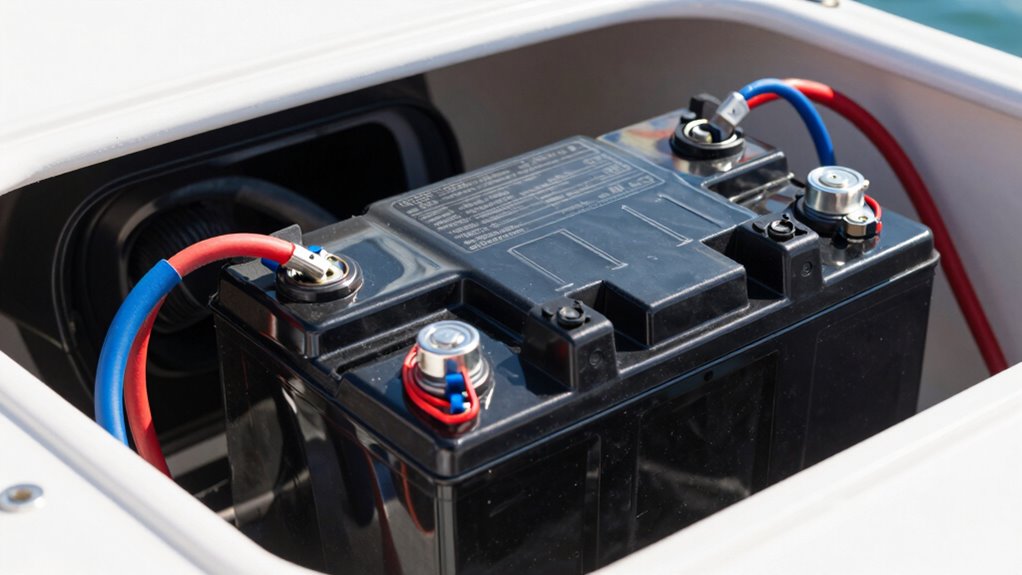
Using the right equipment and settings for charging is a great start, but following the manufacturer’s guidelines takes your battery’s longevity even further. These guidelines are designed to optimize battery maintenance and guarantee safety precautions are met, preventing damage and premature failure. Adhering to recommended voltage and current levels helps maintain cell balance and reduces stress on the battery. Additionally, following the manufacturer’s instructions for temperature and charging cycles minimizes risks like overheating or overcharging. Properly maintaining your marine lithium battery according to these guidelines can considerably extend its lifespan, saving you money and hassle. Always read the manual thoroughly and use approved chargers to guarantee you’re meeting all safety standards and battery care requirements.
Frequently Asked Questions
Can I Use Standard Car Chargers for Marine Lithium Batteries?
You shouldn’t use standard car chargers for marine lithium batteries because of battery compatibility issues. Marine lithium batteries require specific charging accessories that deliver the correct voltage and current to prevent damage. Using the wrong charger can lead to overcharging or undercharging, shortening your battery’s lifespan. Always choose chargers designed for marine lithium batteries to guarantee safe, efficient charging and maintain your battery’s health over time.
How Often Should I Check My Battery’s Health During Charging?
Like a vigilant sailor monitoring their course, you should check your battery’s health regularly during charging—aim for every few hours or daily if possible. This proactive approach helps you catch issues early, ensuring ideal battery maintenance. Adjust your charging frequency based on usage and conditions, and always keep an eye on voltage and temperature. Consistent checks protect your investment and keep your marine lithium battery performing at its best.
Are There Specific Safety Precautions for Charging Lithium Batteries at Sea?
Yes, there are safety precautions you should follow when charging lithium batteries at sea. Always guarantee proper marine safety by using a charger specifically designed for lithium batteries, and avoid overcharging. Keep the battery in a well-ventilated area, away from flammable materials. Regular battery maintenance, including checking for signs of damage or swelling, helps prevent hazards. Monitoring the charging process closely ensures safe operation during your marine adventures.
What Is the Ideal Temperature Range for Charging Marine Lithium Batteries?
You should keep marine lithium batteries within an ideal temperature range of 50°F to 113°F (10°C to 45°C). Proper temperature management is vital, so follow recommended charging protocols that avoid extreme cold or heat. Cold temperatures can slow charging and damage the battery, while excessive heat increases risk of thermal runaway. Consistently monitor the environment and use suitable chargers to guarantee safe, efficient charging at sea.
Can Improper Charging Affect the Battery’s Warranty?
Imagine your battery’s warranty as a fragile shield, easily cracked by improper care. Yes, improper charging can void your warranty if you don’t follow warranty compliance and charging regulations. When you ignore recommended procedures, you risk the battery’s health and your warranty coverage. Always adhere to manufacturer guidelines to protect your investment, ensuring your marine lithium batteries stay reliable and your warranty remains intact.
Conclusion
If you ignore the subtle signs of overcharging or stray from recommended charging practices, your marine lithium batteries could fail when you need them most. Imagine a vital moment on the water, only to find your power suddenly cut out—leaving you stranded. But if you follow the right charging methods and heed manufacturer advice, you’ll keep your batteries alive and reliable. The key to endless adventures lies in knowing when to stop, and how to charge wisely—don’t let the mistake catch you off guard.
NFL season / tailgating Picks
team gear
As an affiliate, we earn on qualifying purchases.