To clean and service your dive regulator, rinse it thoroughly with fresh water after each dive to remove salt and debris. Avoid harsh chemicals—just stick to fresh water. Store it in a protective case, keeping it dry and away from sunlight and heavy objects. Regularly schedule servicing every 6 to 12 months with a certified technician to guarantee all parts are functional. Follow these tips to enhance your regulator’s performance; there’s more to learn about maintenance!
Key Takeaways
- Rinse your regulator thoroughly with fresh water after each dive to remove salt and debris.
- Avoid harsh chemicals during cleaning; use only fresh water for rinsing.
- Inspect for damage or wear post-cleaning and ensure it is completely dry before storage.
- Schedule professional servicing every 6 to 12 months for thorough checks and part replacements.
- Maintain records of servicing to track maintenance and ensure optimal performance.

When you immerse yourself in the underwater world, ensuring your dive regulator is clean and well-serviced is essential for your safety and enjoyment. Your regulator is your lifeline, delivering the air you need to explore the depths. Neglecting its maintenance can lead to malfunctions, putting you at risk during your dives. Consequently, it’s important to establish a routine for regulator maintenance to keep it functioning effectively.
Start by inspecting your regulator before every dive. Check for any signs of wear or damage, like frayed hoses or cracks in the housing. If you notice anything unusual, it’s best to address these issues before you hit the water. Regular cleaning is also indispensable; after each dive, rinse your regulator with fresh water to remove salt, sand, or debris. This simple step can prevent buildup that might interfere with the regulator’s operation.
Inspect your regulator before each dive for wear or damage, and rinse it after diving to ensure optimal performance.
Once you’ve rinsed it, you should store your regulator in a protective case, away from direct sunlight and extreme temperatures. This not only keeps it clean but also prolongs its lifespan. Every six months to a year, consider a thorough professional servicing. A certified technician can perform detailed checks, replacing worn parts and ensuring all components function correctly. Keeping a record of these services can help you track when your regulator needs attention next.
If you ever experience issues while diving, knowing some troubleshooting techniques can save the day. For example, if your regulator starts to free-flow, check the adjustment knob. Sometimes, a simple adjustment can resolve the issue. If the problem persists, you might want to switch to your alternate air source and ascend slowly while monitoring your air supply.
Another common issue is difficulty breathing through the regulator. This could signal that your air supply is blocked or the diaphragm is damaged. If you encounter this, calmly switch to your backup regulator, and ascend to the surface for safety. It’s essential to remain composed and trust your training during these scenarios. Additionally, understanding the power output of your dive equipment, similar to how electric dirt bikes can produce between 10 to 20 horsepower, can enhance your overall diving experience.

DxDiver Hookah Kayak Diving Regulator Hose Kit DxD First and Second Stage Reg Button Gauge Long Hose Ideal for Boat Cleaning Dock Maintenance and Scuba Diving (50)
DXD First Stage + Octo + Button Style Gauge + Long Hose
As an affiliate, we earn on qualifying purchases.
As an affiliate, we earn on qualifying purchases.
Frequently Asked Questions
How Often Should I Service My Dive Regulator?
You should service your dive regulator at least once a year, regardless of how often you dive. This annual maintenance schedule helps guarantee your regulator’s lifespan is maximized and keeps it functioning safely and efficiently. If you dive frequently or in harsh conditions, consider servicing it more often. Regular checks not only enhance performance but also give you peace of mind while exploring underwater. Don’t skip this vital part of your diving routine!
Can I Clean My Regulator With Soap and Water?
No, you shouldn’t clean your regulator with soap and water. Regulator cleaning requires special care because soap can leave residues that affect performance. Instead, rinse your regulator with fresh water after each dive to remove salt and debris. If it needs deeper cleaning, use a manufacturer-approved solution. Always follow the manufacturer’s guidelines to guarantee your regulator stays in top shape for your next dive adventure.
What Tools Do I Need for Regulator Maintenance?
For regulator maintenance, you’ll need a few essential tools. Grab a set of screwdrivers, pliers, and a hex key to work with the regulator parts. A soft brush and a cleaning cloth are also handy for keeping things tidy. Don’t forget a torque wrench for reassembly, and a pressure gauge to check for leaks. Stick to your maintenance schedule, and these tools will help you keep your regulator in top shape!
Where Can I Find a Certified Technician for Servicing?
You can find a certified technician for servicing by checking authorized service centers in your area. It’s often a coincidence that these centers pop up in local dive shops or online. Don’t forget to explore certified technician directories available on various diving websites; they can provide a thorough list of professionals. Remember, ensuring your gear is serviced by a certified technician keeps you safe and enhances your diving experience.
Is It Safe to Use a Regulator After a Year of Storage?
It’s generally not safe to use a regulator after a year of storage without a thorough inspection. Storage safety is vital for regulator longevity. Components can deteriorate over time, especially if not stored properly. Before using it, have a certified technician check for any wear or damage. Regular maintenance ensures your regulator functions correctly and safely, protecting you during dives. Don’t skip this step; your safety underwater depends on it!
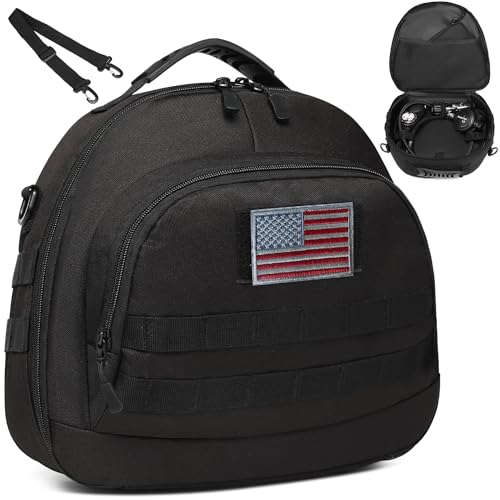
HAMBOLY Scuba Regulator Bag Padded Diving Regulator Protective Case Diving Snorkeling Gear Storage Carry Pouch, Black
👍【ULTRA-PROTECTION】– The diving regulator bag is made of high quality Nylon with 7mm thick foam pad full around,…
As an affiliate, we earn on qualifying purchases.
As an affiliate, we earn on qualifying purchases.
Conclusion
In the grand underwater symphony, your dive regulator is the maestro, orchestrating every breath with precision. Neglecting its care is like tossing a grand piano into the ocean and expecting it to play a flawless sonata. So, grab your tools and treat your regulator like the precious treasure it is. With a little cleaning and servicing, you’ll guarantee it sings harmoniously on every dive, guiding you through the aquatic wonders like a trusty compass in a sea of dreams.

Scuba Choice Valve Handwheel Tool – Heavy-Duty Stainless-Steel Wrench for Dive Tank Maintenance, Regulator & Cylinder Service, Easy Installation & Removal – Universal Fit
✔ HEAVY-DUTY STAINLESS-STEEL CONSTRUCTION – Built from durable stainless steel, this valve handwheel tool is corrosion-resistant and designed…
As an affiliate, we earn on qualifying purchases.
As an affiliate, we earn on qualifying purchases.

OVOVFANY Scuba Tools Kit, 8-in-1 Folding Stainless Steel Diving Multi-Tool Repairing Set for Diver Repair & Maintenance Gears or Accessory (Red)
8-IN-1 MULTIFUNCTIONAL TOOL – Includes essential Hex Wrench(1/4", 3/16", 5/32"), Valve Nut Slotted Screwdriver, Phillips Screwdriver, Inflator Schrader…
As an affiliate, we earn on qualifying purchases.
As an affiliate, we earn on qualifying purchases.