
Refinishing the teak and trim on your sailboat can rejuvenate its look and protect it from tough marine conditions. Start by cleaning the teak with a marine-grade cleaner and a soft brush, rinsing thoroughly to reveal its rich color. After cleaning, apply a sealer or teak oil for enhanced durability against UV and moisture damage. Don’t forget to inspect and prep your trim before painting or staining. You’ll discover essential tips and techniques for a successful DIY project.
Key Takeaways
- Regularly clean teak with marine-grade cleaner and a soft brush to maintain its appearance and durability.
- Inspect trim for damage, and prepare surfaces by removing loose paint and applying wood filler where necessary.
- Apply a sealer or teak oil after cleaning to enhance protection against UV rays and moisture.
- Use high-quality marine paint or stain for trim to ensure durability in harsh marine conditions.
- Consistent maintenance of teak and trim will prolong their lifespan and enhance the overall boat aesthetic.

Have you ever dreamed of building your own sailboat? If so, you know that the details, like refinishing teak and restoring trim, can make a huge difference in the overall look and feel of your vessel. Tackling these DIY projects not only enhances your boat’s aesthetics but also boosts its longevity. Let’s immerse ourselves in some effective teak cleaning techniques and trim restoration tips that’ll help you achieve that polished finish.
First off, let’s talk about teak. This beautiful hardwood is prized for its durability and resistance to the elements, but it does require regular maintenance to keep it looking its best. Start by gathering the right supplies: a soft bristle brush, marine-grade teak cleaner, and a hose. When you’re ready, rinse the teak to remove loose dirt and debris. Then, apply the cleaner according to the manufacturer’s instructions. Use the soft bristle brush to scrub the surface gently, ensuring you get into all the crevices. Rinse thoroughly, and you’ll see the rich color of the wood emerge. This cleaning technique not only revitalizes the wood but also prepares it for further treatment.
Teak, a durable hardwood, needs regular care; clean it with a soft brush and marine-grade cleaner for lasting beauty.
Once the teak’s clean, you might want to apply a sealer or oil to protect it from UV rays and moisture. A good coat of teak oil can enhance the wood’s natural beauty while ensuring it remains resistant to fading and cracking. Just remember to reapply it regularly to maintain that fresh look.
Next up is trim restoration. Your boat’s trim, whether it’s made from wood or fiberglass, can take a beating from the sun and saltwater. Start by inspecting the trim for any signs of wear or damage. If you find peeling paint or cracks, it’s time to take action. Remove any loose paint with a scraper and sand the area smooth. For wooden trim, you might want to apply a wood filler to any deep cracks before sanding it down again.
After you’ve prepped the surface, it’s time to paint or stain. Choose a high-quality marine paint or stain that can withstand harsh marine conditions. Apply it evenly, and don’t rush. A well-done trim restoration not only enhances your boat’s overall appeal but also provides a protective layer against the elements.

STAR BRITE Teak Kit – Restore Decks, Patio, Outdoor Furniture, Boats & Fine Wood – Marine Grade Teak Cleaner & Brightener Set with Premium Golden Teak Oil Finish – Renew, Refinish & Protect (081202)
This total teak care kit includes three easy to use products to restore and protect teak or other…
As an affiliate, we earn on qualifying purchases.
As an affiliate, we earn on qualifying purchases.
Frequently Asked Questions
What Tools Are Essential for Refinishing Teak and Trim?
To refinish teak and trim, you’ll need a few essential tools. Start with power sanders to efficiently remove old finishes and smooth the wood’s surface. A variety of grits will help you achieve the best results. You’ll also want high-quality paint brushes for applying your chosen finish evenly. Don’t forget safety gear like masks and goggles to protect yourself from dust and fumes while you work on your project. Happy refinishing!
How Do I Determine the Right Finish for My Sailboat?
To determine the right finish for your sailboat, consider your usage and maintenance preferences. For example, if you sail in harsh conditions, a marine grade varnish offers superior protection against UV rays and moisture. On the other hand, if you prefer a more natural look and easier maintenance, oil-based finishes might be your best bet. Assess your needs and choose a finish that balances aesthetics and durability for your boat’s specific environment.
Can I Use Teak Oil on Other Types of Wood?
Yes, you can use teak oil on other types of wood, but it’s not always the best option. Teak oil is specifically formulated for dense woods like teak, so for softer woods, you might want to contemplate alternatives like linseed or tung oil. When you’re doing wood finish comparisons, think about the wood’s specific needs; some finishes offer better protection or enhancement than teak oil, depending on the type of wood you’re using.
How Often Should I Refinish My Sailboat’s Teak?
You should refinish your sailboat’s teak every 1 to 2 years, depending on exposure to the elements and the teak aging process. If you notice the finish looking dull or worn, it’s time to rejuvenate it. Regular maintenance helps maintain finish durability, protecting the wood from moisture and UV damage. Keeping an eye on the condition of your teak will ensure it remains beautiful and functional for years to come.
Is It Necessary to Sand Between Coats of Finish?
Yes, you should sand between coats of finish. Proper sanding techniques help guarantee good adhesion and a smooth surface. After the first coat dries, lightly sand the surface to remove any imperfections and create a better bond for the next layer. This surface preparation is essential for achieving a durable and professional-looking finish. Just make sure to clean off any dust before applying the subsequent coat to get the best results.
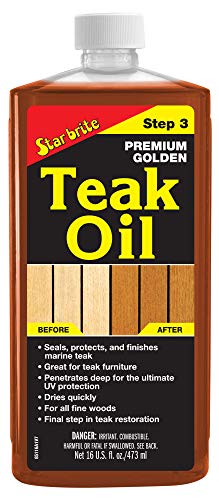
STAR BRITE Premium Golden Teak Oil 16 Oz- Sealer, Preserver, & Finish for Outdoor Teak & Other Fine Woods (085116PW)
Advanced tung oil polymers provide maximum protection for teak and other fine woods
As an affiliate, we earn on qualifying purchases.
As an affiliate, we earn on qualifying purchases.
Conclusion
So there you have it—your once-dull teak and trim now gleam like the crown jewels of a pirate king, ready to dazzle seagulls and fellow sailors alike. With a little elbow grease and a touch of your questionable DIY skills, you’ve turned your boat into a floating masterpiece, assuming you don’t mind the occasional splinter or paint smudge. Now, as you set sail, just remember: you’re not just a sailor; you’re a maritime Picasso on the high seas!

Rust-Oleum 396959 Marine Coatings Topside Paint, Quart, White
Ideal for use on fiberglass, wood or metal surfaces above the waterline
As an affiliate, we earn on qualifying purchases.
As an affiliate, we earn on qualifying purchases.

CERAKOTE® Ceramic Trim Coat Kit – Quick Plastic Trim Restorer – Ceramic Coating Guaranteed Restoration to Last Over 200 Washes – A Ceramic Coating, Not a Dressing
Restore and Protect – Our ceramic coating actually cures to your vehicle's plastics that restores and helps to…
As an affiliate, we earn on qualifying purchases.
As an affiliate, we earn on qualifying purchases.