

To rig a sailboat, start with a pre-rigging inspection to check maintenance and make certain all gear is in good condition. Next, prepare your equipment by organizing sails and hardware for easy access. Then, set up the mast by attaching the forestay and stepping it securely. Attach the sails, hoisting them slowly while checking for tight connections. Finally, secure all gear and verify safety measures, guaranteeing everything’s ready for your adventure. Discover more essential tips as you go!
Key Takeaways
- Perform a thorough pre-rigging inspection of the sailboat, checking for maintenance issues, frayed halyards, and torn sails.
- Organize and prepare all necessary equipment, including sails, halyards, and sheets, for easy access during the rigging process.
- Securely attach the forestay and backstay to the mast, ensuring it is properly aligned and supported before stepping the mast.
- Carefully attach and hoist the sails, monitoring connections, and adjusting sheets to optimize sail shape for current wind conditions.
- Conduct final checks for safety equipment and ensure all gear is secured and accessible before setting off.

Have you ever wondered how to rig a sailboat quickly and efficiently? Rigging your sailboat properly is essential for a successful day on the water, and it starts with understanding the components and making sure everything’s in good shape. Before you even think about setting sail, check your sailboat maintenance routine. Inspect the rigging, sails, and safety equipment. A quick visual inspection can save you from potential mishaps later. You don’t want to find out that your halyards are frayed or that the sail has a tear while you’re out on the waves.
Start by gathering all your equipment. You’ll need the sails, halyards, sheets, and any necessary hardware. Lay everything out in an organized manner, so you can easily access each item as you rig. This makes the process smoother and faster. Remember to wear gloves if you’re handling any rough or heavy lines; it’ll protect your hands and help maintain sailor safety.
Once you’ve got everything ready, begin by attaching the forestay and backstay. These are essential for keeping the mast upright, so make sure they’re secure. Next, step the mast if it’s not already in place. This step might require an extra set of hands, so don’t hesitate to ask a fellow sailor for help. As you hoist the mast, ensure that it’s aligned properly, avoiding any unnecessary strain on the rigging.
After the mast is up, it’s time to attach the shrouds. These stabilize the mast and are vital for maintaining its position while under sail. Double-check that all connections are tight; loose shrouds can lead to disastrous results. Next, unfurl the sails. Attach the head of the sail to the halyard, and hoist it slowly while keeping an eye on the luff. This ensures the sail fills properly and reduces the risk of damage.
Once the sails are hoisted, trim the sheets to adjust the sail shape according to the wind conditions. Make sure everything is secure and that you’ve got a clear path to the winches and cleats. Before you head out, do a final check of your gear. Make sure that all safety equipment is in place, including life jackets, flares, and a first aid kit. Prioritizing sailor safety means you’re ready for anything that might come your way. Additionally, ensuring proper venting techniques during your preparation can significantly enhance safety and performance.

StoreYourBoard Stand Up Paddle Board and Kayak Rack - Surfboard Wall Mount and Garage Ceiling Storage Racks - Heavy-Duty Indoor Board and Paddle Organizer - Space-Saving Kayak Wall Mount - X-Large
VERSATILE BOARD AND KAYAK STORAGE – Organize your stand up paddle board, kayak, and surfboards with this heavy-duty...
As an affiliate, we earn on qualifying purchases.
Frequently Asked Questions
What Tools Do I Need for Rigging a Sailboat?
You’ll need a few essential tools for rigging your sailboat. Start with safety equipment like a life jacket and a harness. Then, grab rigging materials such as ropes, shackles, and pulleys. A sailboat-specific tool kit, including a knife and a wrench, will also come in handy. Don’t forget a tape measure to guarantee everything’s set up correctly. With these tools, you’re ready to tackle the rigging process safely and efficiently.
How Long Does It Take to Rig a Sailboat?
It usually takes about 30 minutes to an hour to rig a sailboat, but it can feel like an eternity if you’re racing against the clock! Don’t forget to factor in marine safety and weather considerations—those gusty winds can change everything. You’ll want to make certain your gear’s ready and secure before you set sail. So, gear up, keep an eye on the skies, and enjoy the thrill of the rigging process!
Can I Rig a Sailboat Alone or Need Assistance?
You can rig a sailboat alone, but it’s often easier with assistance. Solo sailing means you’ll need to manage everything from setting up the mast to securing lines, which can be challenging without an extra pair of hands. If you’re experienced, you might handle it solo, but having someone to help can make the process smoother and safer. Consider your comfort level and the complexity of your rig before deciding.
What Common Mistakes Should I Avoid When Rigging?
When you’re rigging your sailboat, picture yourself on a shimmering lake, the sun glinting off the water. Avoid common mistakes like neglecting overlooked inspections; check your lines and hardware thoroughly. Double-check that everything’s securely fastened to prevent rigging hazards. Don’t rush the process; take your time to make sure each step’s done right. A little attention now can save you from trouble later, letting you enjoy smooth sailing ahead!
How Often Should I Check My Rigging Equipment?
You should check your rigging equipment at least once a month during the sailing season. Establishing a regular inspection schedule helps you catch issues early, ensuring safety and performance. After every trip, do a quick visual check, and consider a more thorough inspection every few months. By maintaining this frequency, you’ll keep your rigging in top shape and avoid potential hazards on the water. Regular maintenance is key to smooth sailing!
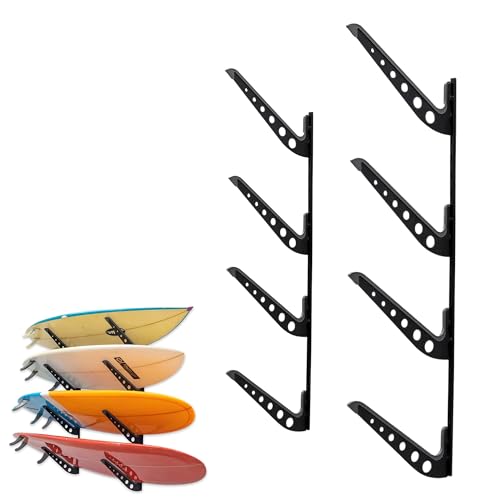
StoreYourBoard Adjustable Surfboard Storage Rack, 4 Board Wall Mount Display, Black
ADJUSTABLE LEVELS: Customize the rack to fit your shortboards, longboards, fish and funboards. Perfect for holding various fin...
As an affiliate, we earn on qualifying purchases.
Conclusion
Now that you know how to rig a sailboat, you can confidently set out on the water and embrace the adventure that awaits. Imagine feeling the wind in your hair as you glide across the waves—doesn’t that sound exhilarating? With practice, you’ll master the art of rigging, ensuring your sailboat is ready for any journey. So grab your gear, gather your friends, and let the horizon be your guide! Happy sailing!
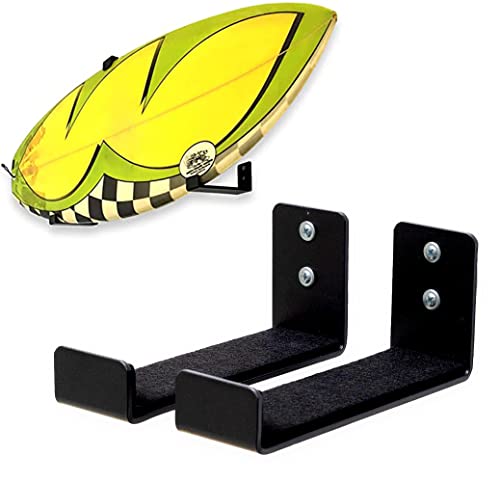
StoreYourBoard Naked Surf – The Original Minimalist Surfboard Rack, Heavy-Duty Black Aluminum Surf Board Wall Hangers for Display & Storage, Surfboard Wall Mount Holds 30 lbs
Minimalist Surfboard Wall Mount – The Naked Surf Rack is the original minimalist surfboard wall mount designed to...
As an affiliate, we earn on qualifying purchases.

Neorexon Surfboard Rack Wall Mount 6 Arms/8 Arms, Surfboard Rack for Wall with Rubber Mat, Vertical Paddle Board Storage Holds 6 Boards/8 Boards Storage Mount System at Home and Garage
Storage Capacity: Our surfboard safely stores boards in an easy-access vertical position that the boards will be slightly...
As an affiliate, we earn on qualifying purchases.