Sailboat electronics, like GPS, radar, and autopilot systems, elevate your sailing adventures. GPS gives you real-time data for precise navigation, while radar helps you spot obstacles, even in low visibility. Autopilot automates your steering, letting you relax or multitask during your journey. Together, these technologies guarantee safety and streamline your sailing experience. Stick around, and you’ll discover how to make the most of these essential systems!
Key Takeaways
- GPS technology provides real-time navigation data, enhancing route planning and ensuring precise positioning on the water.
- Radar systems detect nearby obstacles and vessels, crucial for collision avoidance in low-visibility situations.
- Autopilot systems automate steering based on GPS data, allowing sailors to multitask and relax during journeys.
- Integration of GPS, radar, and autopilot enhances overall navigation and safety, providing comprehensive situational awareness.
- Effective power management is essential for maintaining electronic systems, using solar panels and wind generators to extend energy supply.

Have you ever wondered how modern sailboats navigate the open water with such accuracy? It’s all thanks to a combination of advanced electronics that work seamlessly together. At the heart of this technology are systems like GPS, radar, and autopilot, which enhance your sailing experience while guaranteeing safety and efficiency. With GPS, you can pinpoint your location on the water precisely, making it easy to chart your course. This technology has revolutionized marine communication, allowing you to stay in touch with other vessels or shore services, guaranteeing you’re never truly alone on the water.
When you’re out sailing, you rely on these electronic systems to help you make informed decisions. GPS provides real-time data, letting you track your speed and heading, while radar plays a critical role in detecting obstacles or other ships in your vicinity. This is especially important in low-visibility conditions, where radar helps you avoid collisions. By integrating these systems, you gain an extensive view of your surroundings, allowing you to navigate confidently even in challenging conditions.
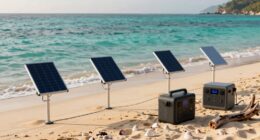
Power management is another essential aspect of sailboat electronics. You’ve got various devices running simultaneously, from your chartplotter to your autopilot system, and they all require power. Efficient power management guarantees that your battery levels stay healthy, preventing a situation where you’re left without essential electronics. Many modern sailboats are equipped with solar panels or wind generators to supplement their energy needs, allowing for longer trips without the constant worry of running out of juice.
Autopilot systems are a game-changer for sailors. They take over steering, allowing you to relax or focus on other tasks without losing your course. Today’s autopilots can be integrated with GPS, meaning they can adjust your heading based on real-time data. You can set waypoints, and the system will guide you smoothly along your path, freeing you to enjoy the journey.
Ultimately, the combination of GPS, radar, and autopilot systems makes sailing more accessible and enjoyable. With effective marine communication and solid power management, you’re well-equipped to tackle the open water, guaranteeing safety and accuracy in every voyage. Embracing these technologies transforms your sailboat into a sophisticated vessel, ready for any adventure that awaits on the horizon. Intelligence and espionage play a crucial role in safeguarding maritime operations against potential threats.

VELOFLOW Electric Scooter, 10" Off-Road Tire, 1000W Powerful Motor, 9/15/21/28MPH, 28 Miles Range, 13Ah Large Battery, Triple Spring Shock Absorber, Folding Commuting Electric Scooter for Adults
【Powerful Power Output】The electric scooter is equipped with a 1000W Hall-effect brushless DC motor, delivering powerful power. With...
As an affiliate, we earn on qualifying purchases.
Frequently Asked Questions
How Do I Choose the Right GPS for My Sailboat?
To choose the right GPS for your sailboat, start by ensuring it’s compatible with the charts you plan to use. Check for features like route planning and waypoint management that suit your sailing style. Next, consider mounting options—make sure it fits well in your cockpit or cabin, allowing for easy visibility and access while sailing. Don’t forget to think about connectivity with other devices for an all-encompassing navigation system.
What Is the Typical Lifespan of Sailboat Electronics?
The typical lifespan of sailboat electronics ranges from 5 to 15 years, depending on several factors. You’ll want to focus on electronic maintenance, as regular checks can greatly extend their life. Environmental conditions, usage frequency, and the quality of the components also play vital roles. By keeping your equipment clean and protected from harsh elements, you can maximize their lifespan and guarantee reliable performance during your sailing adventures.
Can I Install Autopilot Systems Myself?
Yes, you can install autopilot systems yourself if you’re comfortable with DIY installation. Just make sure to check the electronic compatibility of your chosen system with your sailboat’s existing electronics. Follow the manufacturer’s instructions carefully, and don’t hesitate to seek help from online forums or videos if you get stuck. With some patience and attention to detail, you’ll have your autopilot up and running in no time!
How Do Weather Conditions Affect Radar Performance?
Weather conditions considerably impact radar performance. In rough sea states, radar can struggle to distinguish between waves and targets, leading to poor detection. Precipitation effects, like rain or snow, can also reduce radar effectiveness by scattering signals and creating false echoes. You’ll notice that heavy rain might obscure nearby vessels, making it harder to navigate safely. Staying aware of these factors will help you make better decisions while out on the water.
Are There Compatibility Issues Between Different Electronic Brands?
Steering through brand compatibility is like sailing through choppy waters; you need to steer carefully. Yes, there can be compatibility issues between different electronic brands. If you’re not mindful of system integration, devices might not communicate effectively, leading to frustrating hiccups. Always check compatibility specifications before purchasing. By doing your homework, you’ll guarantee smooth sailing, keeping your equipment working harmoniously together, and avoiding the risks of a mismatched fleet.

Off Road Electric Scooter Long Range, Fast Electric Scooter 30 Mph Speed, Heavy Duty 300 lb Capacity & Dual Suspension
1.Heavy Duty E Scooter for Adults Commuting "Professional-Grade Commuter scooter for adults Daily Challenges" Engineered for urban adventurers...
As an affiliate, we earn on qualifying purchases.
Conclusion
In the vast ocean of sailing, electronics like GPS, radar, and autopilot systems are your guiding stars. They transform uncertainty into confidence, turning the unpredictable sea into a navigable highway. With these tools at your fingertips, you’re not just sailing; you’re dancing with the wind, embracing adventure while keeping safety close. So, as you chart your course, remember: the right electronics can be the wind in your sails, pushing you toward uncharted horizons with ease and precision.

Brushless Motor Drone with Camera for Adults 4K,Optical Positioning,Long Range 5G FPV Video Transmission,120°FOV Camera, 90°Adjustable Lens,2Batteries, Carrying Case, Easy for Beginner,Under249G
4K UHD Camera 120°FOV 90°Adjustable Lens Provides Ultimate Experience : Capture the wonderful things with clear pictures at...
As an affiliate, we earn on qualifying purchases.
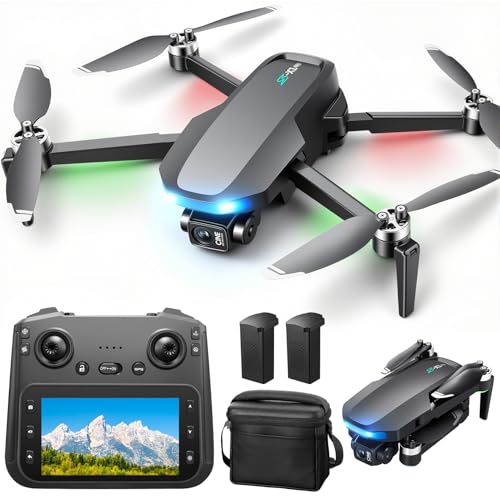
4K GPS Drones with Camera for Adults, 4.5" LCD FPV Screen, 3-Axis Gimbal, 60 Min Flight 2 Batteries, Foldable RC Quadcopter Under 249g, Auto Return Home, Follow Me, Circle Fly, Carrying Case
3-Axis Gimbal: The 3-axis gimbal, equipped with EIS (Electronic Image Stabilization), effectively eliminates shake and vibration to deliver...
As an affiliate, we earn on qualifying purchases.