
To achieve efficient strokes in stand-up paddleboarding (SUP), focus on your paddle grip and stroke rhythm. Grip the paddle firmly with your top hand while keeping your bottom hand relaxed for ideal control. Develop a consistent stroke rhythm that syncs with your body movements to reduce fatigue. Experiment with your cadence to balance power and speed, allowing for smoother navigation. Master these techniques, and you’ll find yourself paddling with more confidence and efficiency on the water. There’s more to learn!
Key Takeaways
- Maintain a balanced grip on the paddle, ensuring the top hand is firm and the bottom hand is relaxed for optimal control.
- Develop a consistent stroke rhythm by synchronizing your paddle movements with your natural body motion to enhance efficiency.
- Engage your core during paddle entry to maximize power and improve stroke effectiveness while reducing fatigue.
- Experiment with different stroke cadences to find the ideal balance between power and speed for your paddling style.
- Regularly practice on-water techniques, focusing on grip and rhythm to refine your skills and improve overall paddling performance.
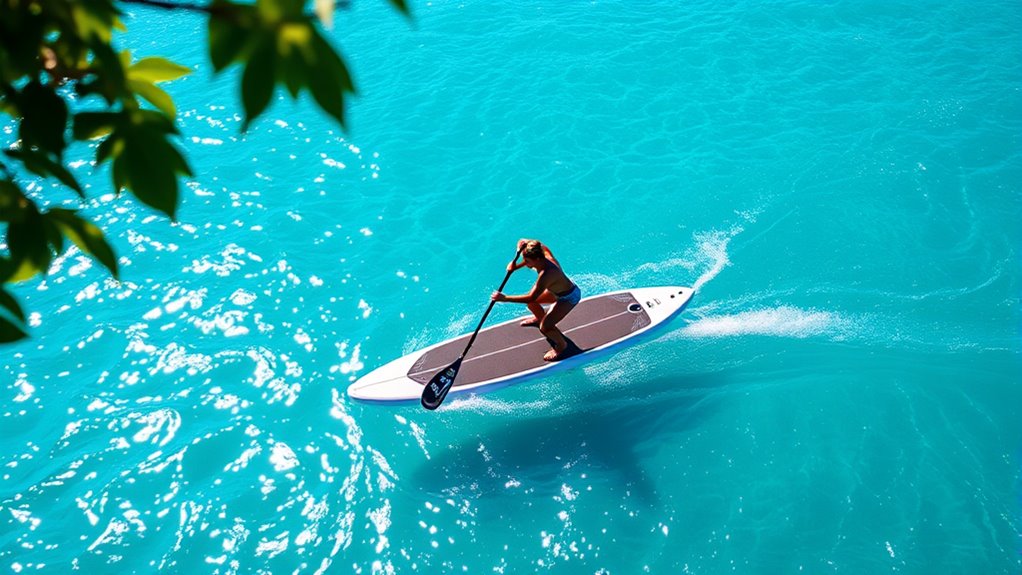
Have you ever wondered how the right paddle technique can transform your performance on the water? Mastering your paddle grip and stroke rhythm can make all the difference in how efficiently you navigate the waves. When you get these elements down, you’ll find yourself gliding smoothly across the water rather than struggling against it.
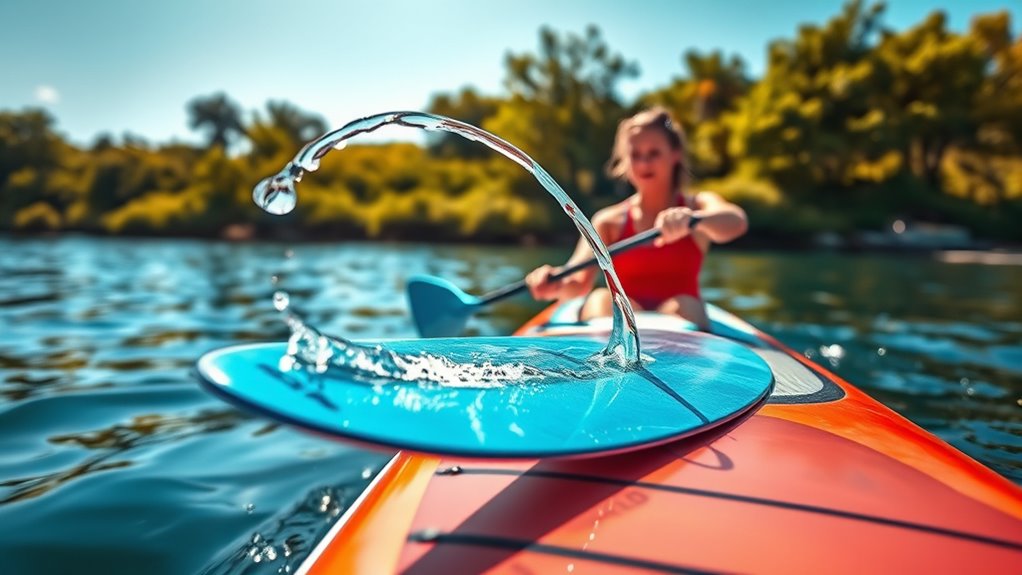
Let’s start with your paddle grip. A proper grip isn’t just about holding onto your paddle; it’s about creating a connection that allows for maximum control. Your top hand should grip the paddle shaft firmly, while your bottom hand should be relaxed. This balance helps you maintain better control over your strokes, allowing for a more fluid motion. If your grip’s too tight, you might tire out quickly, and if it’s too loose, you risk losing control. Find that sweet spot, and you’ll notice an immediate improvement in how your paddle slices through the water.
Master your paddle grip for ultimate control and fluidity on the water. Find the perfect balance for effortless strokes.
Now, let’s talk about stroke rhythm. Developing a consistent rhythm is essential for efficiency. When you paddle in sync with your body’s natural movements, you’ll feel less fatigue and more power with each stroke. Focus on the timing of your paddle entry and exit. As you dip your paddle into the water, your body should naturally rotate, engaging your core. This engagement not only maximizes your power but also helps maintain a steady rhythm, which can enhance your speed markedly.
Another key aspect of stroke rhythm is cadence. You don’t want to paddle too fast or too slow; finding that ideal cadence is vital. Experiment with different stroke rates and see how they affect your glide. You may find that a slower, more deliberate stroke allows for better power transfer, while a quicker rhythm can help you catch waves or navigate through choppy waters.
Finally, remember that practice makes perfect. Spend time on the water focusing solely on your paddle grip and stroke rhythm. Try to eliminate distractions and hone in on your technique. As you do, you’ll start to notice how these adjustments lead to improved performance. You’ll feel more in tune with your board, and soon, those smooth strokes will become second nature. Embrace the journey, and before you know it, you’ll be paddling with confidence and enjoying every moment on the water. Understanding the importance of paddle grip can further enhance your efficiency and control on the water.
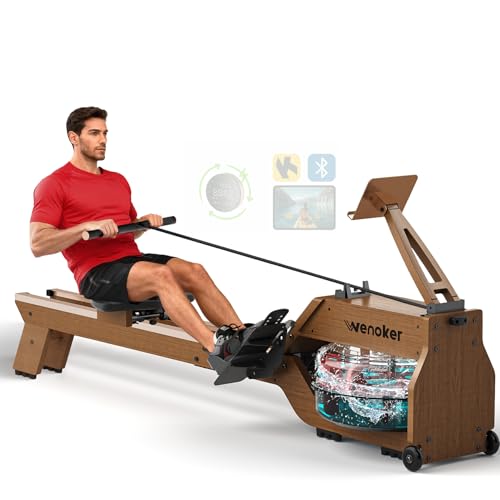
WENOKER Water Rowing Machines for Home Use, Rower Machine with Smart Electronic Knob,Wooden Row Machine with LCD Monitor & Comfortable Seat, Bluetooth App Compatible for Home Gym Exercise 350 LBS
[Smart Electronic Controls and Fitness Tracking] This rowing machine features a smart electronic knob, allowing you to effortlessly...
As an affiliate, we earn on qualifying purchases.
Frequently Asked Questions
What Type of Paddle Is Best for Beginners?
For beginners, a lightweight paddle made from aluminum or fiberglass is best. These materials are durable yet easy to handle. Aim for a paddle length that’s about 6-8 inches taller than you, allowing for comfortable strokes. This will help you maintain proper form without straining. Remember, the right paddle will make your experience enjoyable, so don’t hesitate to test a few options until you find the perfect fit for your needs.
How Do Weather Conditions Affect Paddle Technique?
Weather conditions considerably affect your paddle technique. For instance, if you’re out on a windy day, you’ll notice the wind impact pushing you off course, making it harder to maintain balance. You might need to adjust your strokes for stability. Similarly, water turbulence can create uneven currents that require stronger, more precise paddling. Adapting your technique to these conditions ensures you stay on course and enjoy your time on the water.
Can I Use a Kayak Paddle for SUP?
Yes, you can use a kayak paddle for SUP, but it might not be the most efficient option. Kayak paddles are usually shorter and designed for a different stroke technique, which can affect your paddle ergonomics. If you choose to use one, make sure it’s well-maintained to avoid any issues on the water. Ultimately, investing in a proper SUP paddle will enhance your experience and improve your paddling efficiency over time.
What Are the Common Mistakes in Paddle Strokes?
Common mistakes in paddle strokes include using an incorrect stroke and maintaining poor posture. When you don’t fully submerge the paddle during a stroke, you lose power and efficiency. If you lean too far forward or backward, it affects your balance and control. Also, gripping the paddle too tightly can lead to fatigue and reduce your effectiveness. Focus on a smooth, consistent stroke and keep your posture aligned for better performance.
How Often Should I Practice My Paddle Technique?
You should practice your paddle technique at least two to three times a week for ideal skill improvement. Consistent practice frequency helps you build muscle memory and refine your strokes. Even short sessions can make a difference, so don’t hesitate to get out on the water whenever you can. Remember, the more you paddle, the more comfortable and efficient you’ll become, ultimately enhancing your overall experience on the SUP.

MR. CAPTAIN Water Rowing Machine for Home - Wooden Design with 400LBS Capacity, Bluetooth App Connectivity, and a Comfortable Seat - Ideal Row Machine for Home Workouts
【WOODEN WATER ROWING MACHINE】Perfect for home fitness enthusiasts. This COMPACT ROWING MACHINE FOR HOME boasts a sturdy build...
As an affiliate, we earn on qualifying purchases.
Conclusion
Mastering your paddle technique can transform your SUP experience, making it more efficient and enjoyable. You might worry that improving your strokes takes too much time, but even small adjustments can lead to significant gains. By focusing on your grip, body positioning, and stroke rhythm, you’ll feel the difference in no time. So grab your paddle, practice these techniques, and watch how your confidence and performance soar on the water. You’ve got this!

MERACH Water Rowing Machines for Home, Foldable Row Machine with 400LBS Weight Capacity, Dedicated Monitor and Comfortable Seat, Free MERACH App for Immersive Water Rower
180° Foldable Storage: Innovative design allows one-handed folding, with bottom wheels for easy movement and storage, just like...
As an affiliate, we earn on qualifying purchases.
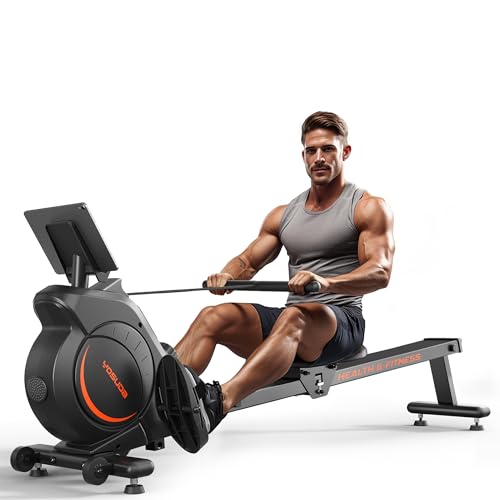
YOSUDA Magnetic Rowing Machine 350 LB Weight Capacity - Rower Machine for Home Use with LCD Monitor, Tablet Holder and Comfortable Seat Cushion-New Version
Choose YOSUDA: Design and produce top-quality exercise machines for home use for over 20 years. YOSUDA has been...
As an affiliate, we earn on qualifying purchases.