Stand-up paddleboarding is all about enjoying the water while staying safe. Start with an all-around board for stability and ease. Always wear a personal flotation device and use a leash to keep your board close. Choose calm waters to practice balance; falling is part of learning! Remember to check the weather and watch for obstacles. With consistent practice, you’ll gain confidence and control. Keep going to discover more tips and enhance your paddleboarding adventure!
Key Takeaways
- Choose an all-around paddleboard for stability and versatility, ideal for beginners on calm waters.
- Always wear a personal flotation device (PFD) and use a leash for safety.
- Check weather conditions and prefer shallow, flat waters to build confidence.
- Practice regularly to improve balance and control; expect to wobble or fall initially.
- Enjoy the experience and embrace nature while following water safety practices.

Have you ever wondered what it feels like to glide effortlessly across the water while soaking up the sun? Stand-up paddleboarding (SUP) offers that exhilarating experience, and getting started is easier than you might think. Whether you’re aiming to explore serene lakes or ride ocean waves, having the right paddleboard gear and following safety tips will make your adventure enjoyable and safe.
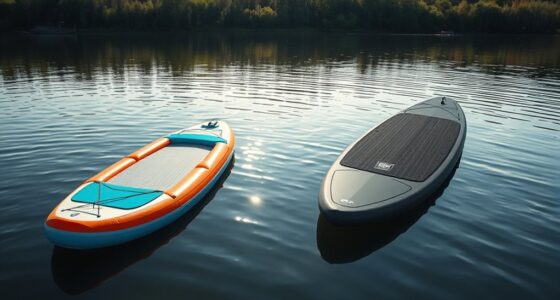
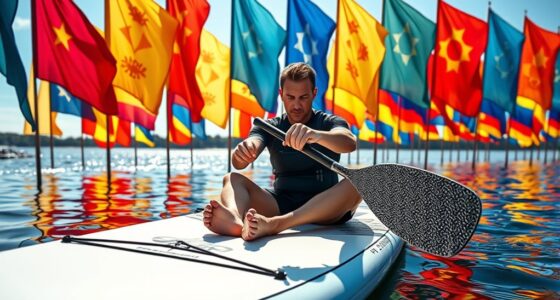
First things first, you’ll need to choose the right paddleboard. Depending on your skill level and the water conditions, you’ll find different types of boards, like all-around, touring, or surfboards. If you’re a beginner, an all-around board is your best bet. It’s stable and versatile, perfect for calm waters and mild waves. Don’t forget to invest in a quality paddle. A lightweight paddle made of carbon or fiberglass can make a significant difference in your experience. Adjustable paddles also allow you to customize the length, making it easier for you to find the perfect fit.
Choosing the right paddleboard is essential for beginners; opt for an all-around board for stability and versatility.
Next, let’s talk about the essential paddleboard gear you’ll need. A personal flotation device (PFD) is a must, even if you’re a strong swimmer. It keeps you safe and is often required by law in many areas. Additionally, you should consider wearing a leash that connects you to your board. This way, if you fall off, you won’t lose your board to the waves. Sunscreen and protective clothing are vital too. The sun’s glare off the water can be intense, so it’s wise to protect your skin from harmful rays.
Now, let’s plunge into some safety tips. Before you hit the water, always check the weather conditions. Wind speed and water currents can affect your stability and safety. If you’re new to paddleboarding, it’s best to stay in calm, flat waters while you build confidence. Start in shallow areas where you can easily stand up if you fall. And when you’re out there, keep an eye on your surroundings. Be aware of other watercraft, swimmers, and any potential hazards.
Finally, practice makes perfect. Don’t be discouraged if you wobble or fall—everyone does at first. With each outing, you’ll gain more balance and control. Most importantly, relax and have fun! Paddleboarding is about enjoying nature and the freedom of gliding across the water. Embrace the journey, and you’ll soon find yourself craving more time on the paddleboard. Remember, water safety practices are crucial for an enjoyable experience on the water.

Niphean Inflatable Stand Up Paddle Board with Stabiltrac Fin Design and SUP Accessories, Anti-Slip EVA Deck, 10’6’’ Inflatable Paddle Boards for Adults & Youth of All Skill Levels
【3 Year Manufactures Guarantee】-Niphean is committed to providing excellent customer service and reliable product quality. Each Niphean product…
As an affiliate, we earn on qualifying purchases.
As an affiliate, we earn on qualifying purchases.
Frequently Asked Questions
What Should I Wear While Paddleboarding for the First Time?
When you’re paddleboarding for the first time, wear comfortable, moisture-wicking clothing options like a swimsuit or athletic wear. Quick-dry fabrics are best since you might get splashed. Don’t forget a life jacket for safety gear; it’s essential for your safety and required in many places. If it’s sunny, a hat and sunglasses can protect you from the sun. Finally, water shoes are great for grip and comfort on the board.
Can I Paddleboard Alone, or Should I Bring a Friend?
You can definitely paddleboard alone if you’re comfortable, but bringing a friend makes it more fun and adds safety. Solo practice helps you build skills, but having someone with you offers reassurance, especially if you’re new. Plus, you can share the experience and learn together. If you’re unsure, consider group lessons—they provide guidance and camaraderie, which can boost your confidence. So, weigh your options and choose what feels right for you!
How Do I Choose the Right Paddleboard Size for Me?
To select the right paddleboard size, consider the paddleboard dimensions and your weight. Generally, longer boards offer better speed and stability, while shorter ones are more maneuverable. Check the weight capacity to guarantee the board can support you comfortably. If you weigh under the maximum capacity, go for a wider board for better balance. Remember, your skill level and intended use—like leisure or racing—can also influence your choice.
Are There Age Restrictions for Beginners in Paddleboarding?
You don’t need to worry about age restrictions when you’re stepping onto a paddleboard for the first time. Picture yourself gliding across calm waters, the sun warming your back, as you build your beginner confidence. Paddleboard safety is essential, so make certain you’re comfortable in the water and have the right gear. Whether you’re 8 or 80, paddleboarding welcomes you, inviting you to embrace the tranquility of nature while finding your balance.
What Are the Best Locations for First-Time Paddleboarders?
For first-time paddleboarders, the best locations are calm water, beginner-friendly lakes. Look for spots like Lake Tahoe or the calm coves of Biscayne Bay, where you can easily balance and learn the basics. Local parks often have designated areas for paddleboarding, ensuring a safe and relaxed experience. Remember to check the weather and water conditions before heading out, so you can enjoy your adventure without any surprises. Have fun out there!
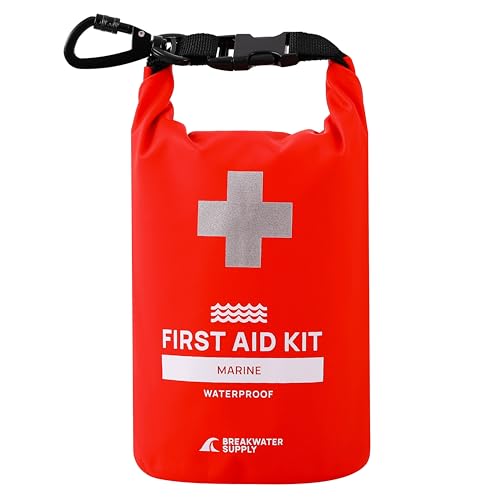
Breakwater Supply™ Waterproof Marine First Aid Kit Boat Safety Tool Kit, 100 Piece AFAK Emergency Supplies in Dry Bag, IFAK Trauma Kit for Kayaking, Jet Ski, Fishing, Surfing, Sailing, Canoeing (Red)
WATERPROOF PREPAREDNESS IN A COMPACT KIT! Around the water, a fully waterproof First Aid Emergency Kit is a…
As an affiliate, we earn on qualifying purchases.
As an affiliate, we earn on qualifying purchases.
Conclusion
As you set out on your stand-up paddleboarding journey, think of it as sailing through a tranquil sea of possibilities. Each stroke you take not only strengthens your core but also connects you with nature in a unique way. Don’t hesitate to embrace the learning curve; every wave you ride brings you closer to mastery. So grab your board, trust your instincts, and let the water guide you. The adventure awaits, and it’s time to paddle into new horizons!

OCEANBROAD Adjustable Carbon Fiber Kayak Paddle 86in/220cm to 94in/240cm Kayaking Oar with Paddle Leash 1 Paddle, Black
【LIGHTWEIGHT】Engineered with a carbon fiber kayak oar shaft and fiberglass-reinforced blades, this lightweight kayak paddle weighs just 35…
As an affiliate, we earn on qualifying purchases.
As an affiliate, we earn on qualifying purchases.
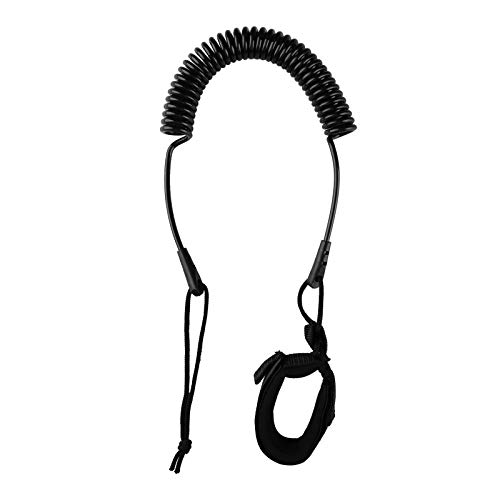
HEYTUR Coiled SUP Leash 10' Surfboard Leash Sup Leg Rope Strap Stand Up Paddleboard Leash (5mm Black)
Easy to Use – 10 ft powerful SUP leash of 5mm quality urethane cord
As an affiliate, we earn on qualifying purchases.
As an affiliate, we earn on qualifying purchases.