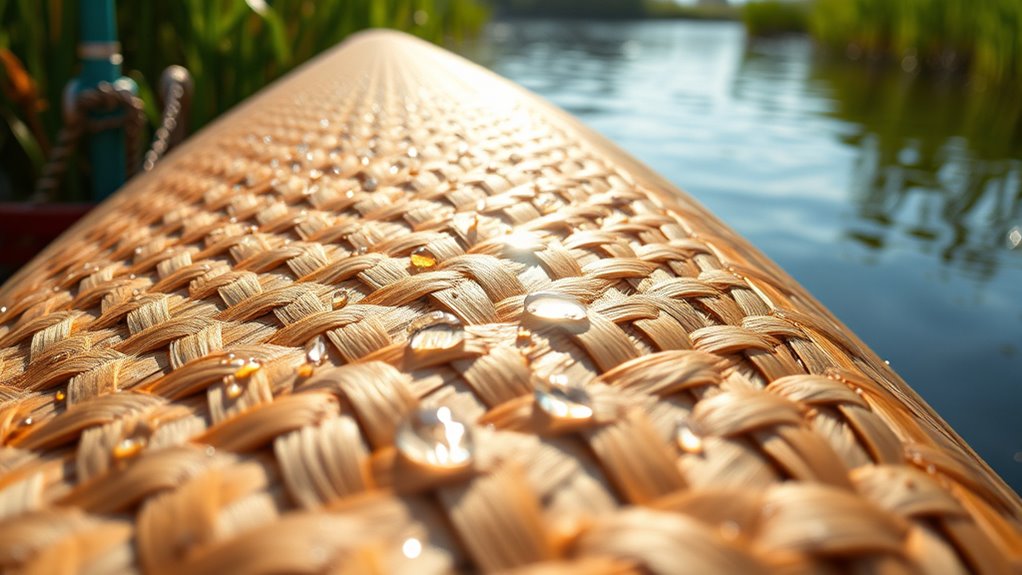

Eco-friendly boat hulls made from flax-fiber and biocomposites provide a sustainable, lightweight alternative to traditional materials. They reduce environmental impact by offering biodegradable properties and enhanced durability against harsh marine conditions. You’ll benefit from lower maintenance costs and improved performance on the water, all while aligning your boating choices with eco-conscious values. Discover how these innovative materials can transform your boating experience and the future of marine preservation.
Key Takeaways
- Flax-fiber and biocomposites are sustainable alternatives, offering reduced environmental impact compared to traditional fiberglass and aluminum hulls.
- These materials are lightweight, strong, and biodegradable, enhancing boat performance while minimizing ecological footprint.
- Eco-friendly hulls require less maintenance, resulting in cost savings and improved durability against harsh marine conditions.
- Sustainable manufacturing practices in producing these hulls lower energy consumption and promote local resource use.
- Choosing flax-fiber and biocomposites supports responsible boating choices and contributes to long-term marine preservation.
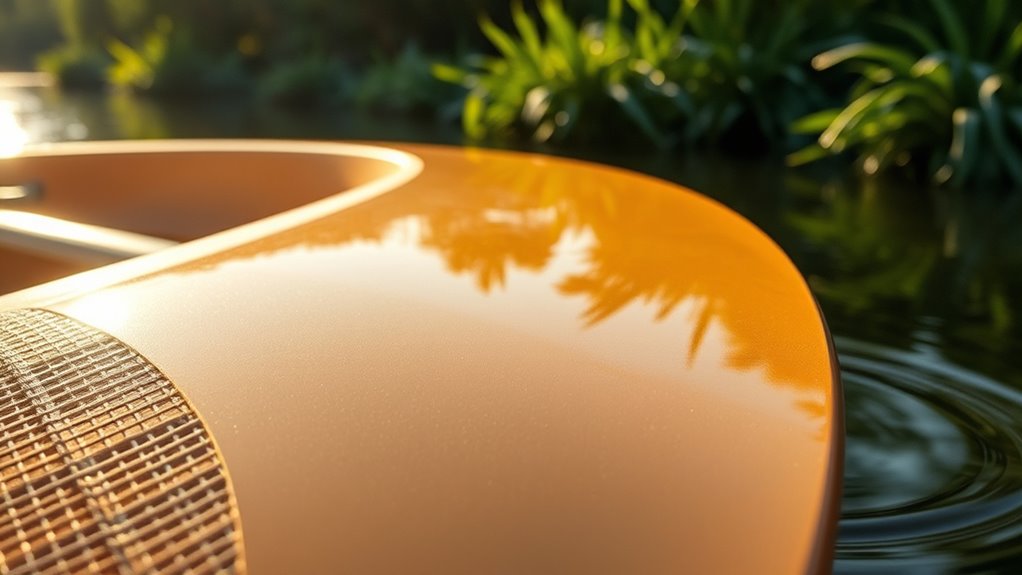
Have you ever considered how your boat’s hull impacts the environment? The hull is more than just a surface that glides through water; it’s a vital element that can either contribute to or mitigate environmental harm. Traditional materials like fiberglass and aluminum, while effective, often result in significant waste and pollution. You might be wondering if there’s a better option that aligns with eco-friendly practices. The good news is, there are alternatives using biodegradable materials and sustainable manufacturing processes that can make a real difference.
Imagine your boat’s hull made from flax-fiber and biocomposites. These materials offer a compelling solution for environmentally-conscious boaters like you. Flax-fiber is a renewable resource that’s both lightweight and strong, ideal for maintaining the performance you expect from a boat. When you choose flax-fiber, you’re not just opting for durability; you’re also supporting a product that breaks down naturally at the end of its lifespan. Unlike traditional fiberglass, which can linger in landfills for decades, flax-fiber biodegrades, reducing your ecological footprint.
Consider a flax-fiber hull for your boat—lightweight, strong, and eco-friendly, it biodegrades, reducing your environmental impact.
Sustainable manufacturing practices further enhance the appeal of eco-friendly hulls. When companies focus on minimizing their environmental impact, they often utilize energy-efficient methods and local resources, creating a smaller carbon footprint. This approach means that not only are you getting a high-quality product, but you’re also supporting industries that prioritize the planet’s health. By investing in a boat with a flax-fiber hull, you’re making a conscious choice that reflects your values as a responsible boater. Additionally, the integration of secure communication solutions can help ensure that manufacturers maintain transparency about their eco-friendly practices.
It’s essential to understand that the benefits of eco-friendly boat hulls go beyond just environmental impact. They can also lead to lower maintenance costs and improved performance on the water. Many biocomposite materials are resistant to damage from UV rays and harsh marine environments, which means you’ll spend less time and money on repairs. Plus, these materials often have excellent buoyancy, enhancing your overall boating experience.
Frequently Asked Questions
How Do Flax-Fiber Hulls Compare to Traditional Fiberglass in Durability?
Flax-fiber hulls often outperform traditional fiberglass in durability due to their impressive fiber strength and material flexibility. While fiberglass can be rigid and prone to cracking, flax-fiber offers a more resilient structure that absorbs impacts better. This flexibility helps prevent damage from rough waters, making it a reliable choice for boaters. You’ll find that the combination of strength and adaptability in flax-fiber can lead to a longer-lasting, more durable hull.
Can Biocomposite Hulls Withstand Harsh Marine Environments?
Yes, biocomposite hulls can withstand harsh marine environments. They’re designed to resist marine corrosion and offer impressive biofouling resistance, which helps maintain their structural integrity over time. You’ll find that these materials can handle exposure to saltwater and various aquatic organisms better than traditional materials. By choosing biocomposites, you’re investing in a sustainable option that not only performs well but also minimizes environmental impact in marine settings.
What Maintenance Is Required for Flax-Fiber Boat Hulls?
To maintain flax-fiber boat hulls, you’ll want to regularly inspect for signs of wear or damage. Clean the surface to prevent marine growth and check for UV exposure effects. Consider biomass sourcing for repairs to guarantee sustainability. When the hull reaches the end of its life, think about recycling considerations, as flax-fiber materials can be repurposed, minimizing environmental impact. Keeping up with these tasks will help prolong the hull’s lifespan.
Are There Any Environmental Concerns With Flax Farming?
You might think flax farming isn’t eco-friendly, but it actually promotes sustainable farming practices. While some pesticide use can occur, many farmers are shifting towards organic methods, reducing environmental impact. Flax requires fewer chemicals compared to other crops, making it a better choice for the planet. By supporting these farming practices, you contribute to a healthier ecosystem while enjoying the benefits of flax in various applications, including innovative materials for boat hulls.
How Do Flax-Fiber Hulls Affect Boat Performance and Speed?
Flax-fiber hulls enhance boat performance and speed by improving hydrodynamic efficiency and achieving significant weight reduction. When you use lighter materials, your boat glides through the water more smoothly, reducing drag and allowing for quicker acceleration. This means you can enjoy faster speeds with less energy consumption, making your boating experience more efficient and enjoyable. With flax-fiber, you’re not just choosing sustainability; you’re also opting for a performance boost on the water.
Conclusion
In the quest for greener boating, flax-fiber and biocomposites present a promising path. These sustainable materials not only lighten our load but also lessen our environmental impact, making waves in the world of watercraft. By embracing eco-friendly options, you’re steering towards a brighter, better blue. So, let’s set sail on this sea of sustainable solutions, ensuring our journeys are joyful and just, all while protecting our precious planet for generations to come.