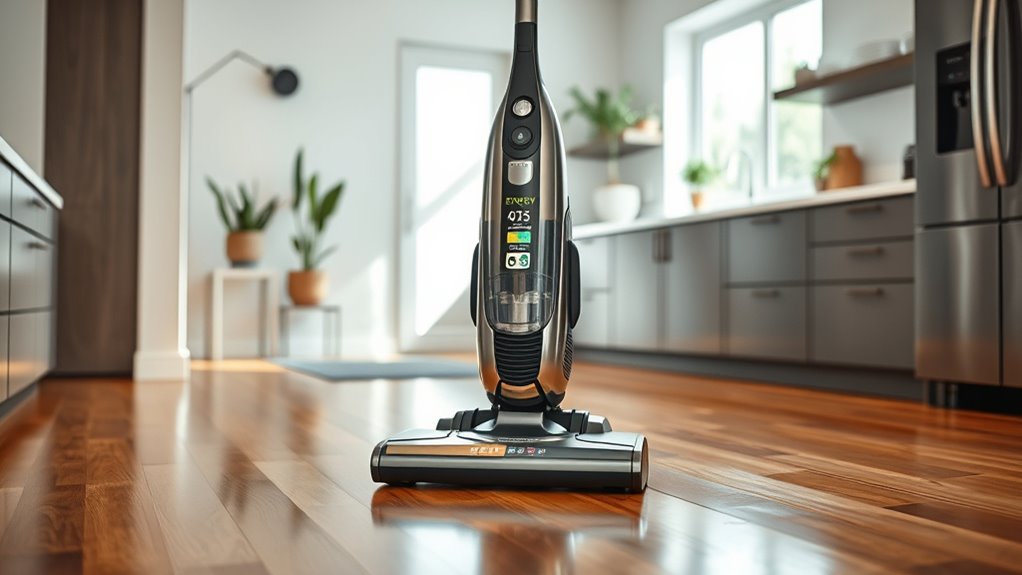

When it comes to energy efficiency in vacuum cleaners, understanding the ratings is vital for saving money and minimizing your carbon footprint. Not all models consume the same power, and opting for energy-efficient vacuums can lower your electricity bills while keeping your home clean. Look for features like adjustable suction and energy labels to help choose the right model. Keep exploring to discover how these choices can positively impact your wallet and the environment.
Key Takeaways
- Energy efficiency ratings indicate how much electricity a vacuum cleaner consumes relative to its cleaning performance.
- Look for models with eco-modes or adjustable suction to improve energy efficiency and reduce power consumption.
- Modern vacuums often display energy labels, making it easier to compare energy efficiency across different models.
- Higher efficiency ratings typically lead to lower electricity bills and reduced environmental impact.
- Choosing energy-efficient vacuums supports sustainable living practices and helps maintain a clean home environment.

When you think about keeping your home clean, energy efficiency in vacuum cleaners might not be the first thing on your mind. However, understanding how energy efficiency works can save you money and reduce your carbon footprint. You might be surprised to learn that not all vacuum cleaners are created equal when it comes to power consumption. By choosing an efficient model, you can maintain a clean home while also being environmentally conscious.
Energy-efficient vacuum cleaners can save you money and reduce your carbon footprint while keeping your home clean.
Cordless models have gained popularity in recent years, and for good reason. They offer the convenience of portability, allowing you to easily clean various areas of your home without being tethered to an outlet. However, it’s essential to check the energy efficiency ratings of these models. While they might seem convenient, some cordless vacuums can have higher power consumption than traditional plug-in models. This means they may drain battery life quickly, leading to more frequent charging cycles, which can impact their overall energy efficiency.
Power consumption is a vital factor to consider when evaluating vacuum cleaners. An efficient vacuum cleaner will use less electricity without compromising on cleaning performance. Look for models with energy-saving features, such as adjustable suction power or eco-modes, which can help minimize energy usage while still providing a thorough clean. You’ll find that many modern vacuum cleaners come with energy labels that indicate their efficiency rating, making it easier for you to choose wisely. Additionally, just as hydrocolloid patches promote healing by drawing out impurities, selecting the right vacuum can help you maintain a clean and healthy home environment.
Investing in an energy-efficient vacuum cleaner not only benefits your wallet but also contributes to a healthier planet. With rising energy costs and growing environmental concerns, being mindful of your vacuum cleaner’s energy consumption can make a difference. Consider how often you vacuum and the areas you clean. If you’re frequently vacuuming large spaces, a model with high efficiency ratings can save you money in the long run.

BISSELL Little Green HydroSteam Multi-Purpose Portable Carpet and Upholstery Cleaner, Car and Auto Detailer, 3618
EVERY PURCHASE SAVES PETS. BISSELL proudly supports BISSELL Pet Foundation and its mission to help save homeless pets.
As an affiliate, we earn on qualifying purchases.
Frequently Asked Questions
How Do I Choose the Right Vacuum Cleaner for My Home?
To select the appropriate vacuum cleaner for your home, consider your specific needs. Think about battery life if you opt for a cordless model; longer battery life means you can clean larger areas without interruptions. Check the noise levels too; quieter vacuums are great for homes with kids or pets. Finally, evaluate the vacuum’s weight and maneuverability to make certain it fits your cleaning routine comfortably.
What Is the Lifespan of a Typical Vacuum Cleaner?
A typical vacuum cleaner lasts around 5 to 10 years, depending on several factors. Vacuum durability plays a vital role; well-made models often outlast cheaper ones. Regular maintenance, like cleaning filters and belts, can also extend its lifespan. You should consider your cleaning habits and the type of surfaces you clean, as heavy usage or cleaning thicker carpets may wear your vacuum down faster. Investing in a quality vacuum pays off in the long run.
Are Bagless Vacuum Cleaners More Energy Efficient?
Bagless vacuum cleaners can be more energy efficient, especially models with strong battery performance. Imagine cleaning your home while enjoying lower noise levels—no more distractions! For instance, a bagless vacuum that runs on a lithium-ion battery uses less energy than traditional models. This combination not only saves on your electricity bill but also reduces your carbon footprint, allowing you to maintain a clean space without the guilt of energy waste.
Can I Recycle My Old Vacuum Cleaner?
Yes, you can recycle your old vacuum cleaner! Many local recycling centers accept appliances, so check with yours for vacuum recycling options. If it’s broken, some retailers offer eco-friendly disposal programs. You might even find organizations that refurbish vacuums for those in need. By recycling, you’re reducing waste and contributing to a healthier planet. Just make sure to remove any non-recyclable parts before dropping it off!
What Maintenance Is Required for Energy-Efficient Vacuum Cleaners?
To keep your energy-efficient vacuum cleaner running smoothly, regular maintenance is key. You’ll want to check and clean or replace the filters as needed, since clogged filters can reduce efficiency. Pay attention to the motor care too; make certain it’s free of dust and debris. Regularly inspect the belts and brushes for wear and tear. By staying on top of these tasks, you’ll prolong your vacuum’s lifespan and maintain its performance.

McCulloch MC1385 Deluxe Canister Steam Cleaner, 2-Hour Runtime, Chemical-Free, 23 Accessories: Mop Head, Brushes & More - Built for Home, Tile, Carpet, Furniture, & Personal Car Detailing
CHEMICAL-FREE CLEANING — Naturally deep clean without the use of harsh chemicals using hot, pressured steam to eliminate...
As an affiliate, we earn on qualifying purchases.
Conclusion
In the quest for a cleaner home, energy efficiency shouldn’t be an afterthought. By choosing vacuum cleaners with high ratings, you’re not just saving on bills; you’re also playing your part in reducing environmental impact. Isn’t it comforting to know that a simple switch can lead to a brighter, greener future? So, the next time you shop for a vacuum, remember: efficiency means more than just power; it’s about making smarter choices for your home and the planet.
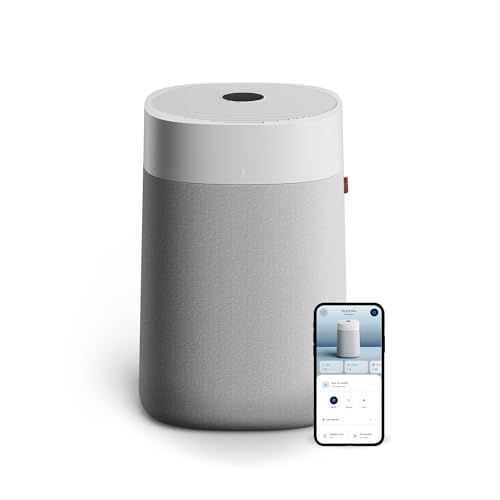
BLUEAIR Air Purifiers for Large Rooms, Cleans 3,048 Sqft In One Hour, HEPASilent Smart Air Cleaner For Home, Pets, Allergies, Virus, Dust, Mold, Smoke - Blue Pure 211i Max
BLUEAIR’S TOP-PERFORMING AIR PURIFIER LINE: Blue family’s new Pure Max series with our proprietary HEPASilent performance now even...
As an affiliate, we earn on qualifying purchases.

Hoover Commercial PortaPower Lightweight Canister Vacuum Cleaner, Bagged Canister Vac with Attachments, 2-in-1 Vac and Blower, Corded Vacuum Cleaners for Commercial Use
LIGHTWEIGHT, POWERFUL VACUUM CLEANER: Lightweight and versatile with the ability to clean anywhere, the Hoover Commercial PortaPower Canister...
As an affiliate, we earn on qualifying purchases.