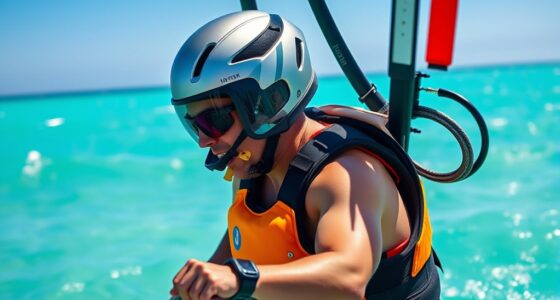

Wingfoiling can impact marine environments, mainly through plastic pollution and habitat disruption. When you choose gear made from sustainable materials, you help reduce this footprint. It is crucial to respect wildlife, stick to designated areas, and avoid sensitive habitats during breeding seasons. Small actions, like picking up trash after sessions, can make a big difference for ocean health. By practicing responsible wingfoiling, you contribute to the conservation of our oceans, and there’s much more to explore on this topic.
Key Takeaways
- Wingfoiling can contribute to plastic pollution, as gear and debris may harm marine life and ecosystems.
- Choosing sustainable gear made from recycled materials minimizes environmental impact and supports ocean health.
- Practicing responsible location selection helps preserve sensitive habitats and avoid disrupting marine life during breeding seasons.
- Engaging in personal stewardship, such as trash collection, promotes healthier waters and reduces pollution.
- Balancing recreation with conservation ensures continued enjoyment of wingfoiling while protecting marine environments for future generations.
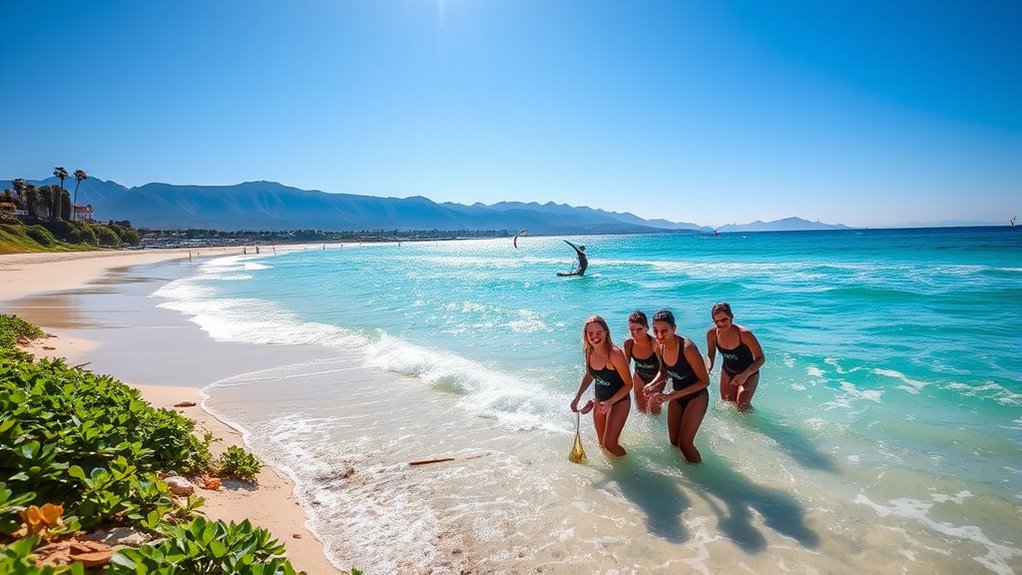
As you glide across the water with the wind in your sails, it’s easy to forget the environmental impact that wingfoiling can have on our oceans and ecosystems. The thrill of riding the waves can overshadow the reality that our beloved waters face serious threats. One major concern is plastic pollution, which continues to wreak havoc on marine life. Every time you hit the water, you might unknowingly contribute to this pressing issue if you’re not mindful of your surroundings.
Plastic pollution is everywhere, and it’s a growing problem that affects not just the ocean’s surface but also its depths. Marine animals often mistake plastic debris for food, leading to ingestion and, ultimately, death. As you navigate your favorite spot, take a moment to look around and notice any plastic waste. It’s a stark reminder of the impact we all have on the environment. You can help combat this issue by making it a habit to pick up any trash you see before you start your session. Even small actions, like collecting a few pieces of plastic, can have a ripple effect on marine ecosystems.
Moreover, the gear you choose for wingfoiling can also influence the environment. Many products are made with materials that may not be eco-friendly, contributing to pollution both on land and in the water. When shopping for gear, consider seeking out brands that prioritize sustainability and use recycled materials. You’re not just making a purchase; you’re investing in the health of our oceans and marine life.
Additionally, consider the locations you choose to wingfoil. Some areas are more sensitive than others, and frequenting these locations can lead to habitat disruption. Being aware of your impact helps you make better choices. Stick to designated areas and avoid foiling in spots where marine life is prevalent, especially during breeding seasons. By doing so, you’re helping to protect the delicate balance that sustains these ecosystems.
Ultimately, wingfoiling can be a thrilling experience, but it’s essential to remember our responsibility to the environment. By being conscious of plastic pollution and the impact of our gear and locations, you can enjoy your time on the water while also safeguarding marine life. So, as you sail into the horizon, keep these practices in mind and endeavor to be a steward of our beautiful oceans.
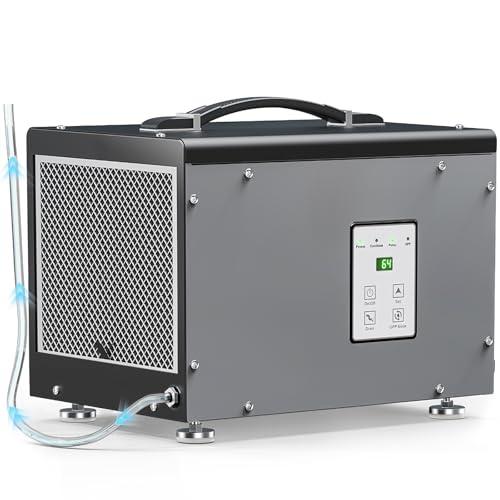
BaseAire Crawlspace Dehumidifier with Pump, Compact Dehumidifiers for Commercial, Basement and Water Damage with Drain Hose, 70 PPD, Auto Defrost, GLGR Technology, Up to 1000 Sq Ft
Intelligent Humidity Control System: This home crawlspace dehumidifier is equipped with with a built-in humidity sensor and digital...
As an affiliate, we earn on qualifying purchases.
Frequently Asked Questions
What Materials Are Wingfoils Typically Made From?
Wingfoils are typically made from a mix of materials like fiberglass, carbon fiber, and sometimes aluminum for the mast. Recently, manufacturers have started using eco-friendly materials and sustainable manufacturing processes, aiming to reduce their environmental footprint. You can find options that incorporate recycled components or biobased resins, which are better for the planet. When choosing your wingfoil, look for brands committed to sustainability, ensuring your gear supports eco-conscious practices.
How Does Wingfoiling Compare to Other Water Sports Environmentally?
Wingfoiling dances lightly on the water’s surface, often leaving a smaller carbon footprint than many other water sports. You’ll find that it typically uses sustainable materials, allowing you to glide guilt-free. Compared to traditional surfing or jet skiing, wingfoiling embraces eco-friendly practices that minimize disruption to marine ecosystems. By choosing wingfoiling, you’re not just enjoying the thrill; you’re also becoming part of a movement that cherishes our oceans and their delicate balance.
Is Wingfoiling Suitable for Beginners?
Yes, wingfoiling can be suitable for beginners! To get started, focus on beginner-friendly tips like choosing the right equipment and practicing in calm waters. Safety considerations are essential, so always wear a life jacket and a helmet. It’s also wise to take lessons from experienced instructors to guarantee you learn proper techniques. Remember, patience is key; take your time to build confidence and skills on the water!
What Are the Best Locations for Wingfoiling?
Some of the best locations for wingfoiling are places like Maui, Hood River, and Cape Town. These spots offer consistent winds and beautiful waters. While you enjoy the thrill, keep in mind the importance of marine conservation. Avoid areas prone to coastal erosion, as your activity can impact the environment. Choose locations with clear guidelines to make certain you’re not only having fun but also protecting the natural beauty around you.
How Can I Improve My Wingfoiling Skills Quickly?
To improve your wingfoiling skills quickly, focus on consistent practice and understanding the weather conditions. Just like learning to ride a bike, it takes time but you’ll get there! Always wear your safety gear; it builds confidence. Start with small sessions to master balance and control. Watch videos or learn from experienced riders to pick up tips. Soon, you’ll be gliding effortlessly over the water, feeling that exhilarating freedom!

ALORAIR Crawl Space/Basement Dehumidifier 70 Pint with Pump, Automatic Defrost, Up to 1000 Sq Ft Commercial Dehumidifier, Memory Start, cETL Listed
Crawlspace Dehumidifier: 35 pints per day at AHAM condition, 70 Pint at saturation, up to 1,000 sq. ft,...
As an affiliate, we earn on qualifying purchases.
Conclusion
In exploring the environmental impact of wingfoiling, you might wonder: can this thrilling sport coexist with nature? The truth is, it can, but only if you embrace responsible practices. By choosing eco-friendly gear, respecting local ecosystems, and minimizing your footprint, you can enjoy the freedom of wingfoiling while protecting the beauty of our waterways. So, take the plunge, but remember—your choices today shape the waves of tomorrow. Let’s ride the winds sustainably!

Airzentti 155 Pints Commercial Dehumidifier for Basement with Pump and Drain Hose, Large Space Dehumidifier for Crawl Space, Attic, Garage, Home, Industrial, Water Damage, Auto Defrost, Energy Star
[Commercial Grade Dehumidifier] This Airzentti crawl space dehumidifier with large capacity removes moisture from basement, attic, large room...
As an affiliate, we earn on qualifying purchases.

Oxseryn Power Equipment 4400 Watts Inverter Generator Gas Powered, Portable Open Frame Generator, Low Noise with ECO Mode, RV Ready, Emergency Home Backup
𝗣𝗼𝘄𝗲𝗿𝗳𝘂𝗹 𝗢𝘂𝘁𝗽𝘂𝘁 - 4400 peak watts and 3400 running watts, perfect for RV camping and home backup
As an affiliate, we earn on qualifying purchases.