Maintaining your wing equipment is essential for safety and performance. Before and after each use, inspect for visible wear, fraying, and damage. Clean your gear by rinsing it with fresh water and letting it dry completely. Address minor repairs yourself with patch materials, but consult a professional for extensive damage. Keeping a maintenance log helps track the condition of your equipment. With proper care, your gear lasts longer and performs better. There’s more important information to contemplate!
Key Takeaways
- Conduct thorough inspections before and after each use to identify visible wear and damage.
- Rinse wing equipment with fresh water after exposure to mud or moisture to prevent deterioration.
- Use appropriate patch materials for minor repairs and follow manufacturer instructions closely.
- Maintain a log to track inspections and repairs, noting any recurring issues for proactive management.
- Allow equipment to dry completely before storage to extend its lifespan and ensure optimal performance.
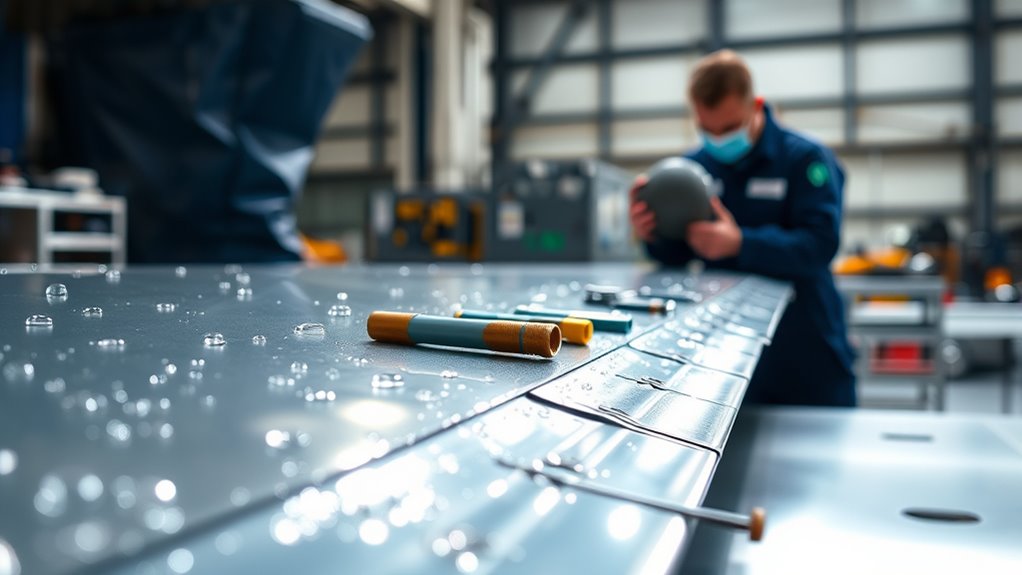
When you’re out on the field, ensuring your wing equipment is in top shape is essential for both performance and safety. Regular maintenance isn’t just a good practice; it can be the difference between a successful outing and a dangerous situation. To keep your gear functioning at its best, you need to familiarize yourself with effective inspection procedures and repair techniques.
Start by developing a routine for inspecting your wing equipment. Before every use, check for any visible signs of wear and tear. Look for abrasions, frays, or any punctures in the fabric. Make sure all the seams are intact and that the stitching is secure. Pay special attention to the areas that experience the most stress, like the leading edge and the attachment points. If you notice any damage, take note of it and assess whether it’s something you can repair yourself or if you need professional assistance.
Develop a routine to inspect your wing equipment for wear and tear before every use, focusing on critical areas for safety.
After each outing, it’s a good idea to conduct a more thorough inspection. This is when you can take your time to check the integrity of every component. Inspect the lines carefully for any signs of fraying or knots, as these can considerably impact your control in the air. Ensure that your harness is also in good condition, checking the buckles and straps for any signs of wear. Keeping a maintenance log can help you track the condition of your equipment over time, making it easier to spot recurring issues.
When it comes to repair techniques, being proactive is essential. If you find minor damage, such as small cuts or punctures, you can often patch them up using appropriate materials. Many wing manufacturers provide repair kits that include patches and adhesive specific to their gear. Follow the instructions carefully to ensure a reliable fix. For more extensive damage, don’t hesitate to reach out to a professional. It’s imperative not to take chances with safety—if you’re unsure about a repair, it’s better to seek help.
Cleaning your wing equipment regularly is just as important as inspection and repair. After every use, especially in muddy or wet conditions, give your gear a good rinse with fresh water to remove dirt and debris. Allow everything to dry completely before packing it away. This simple step can extend the life of your equipment considerably. Additionally, just like seasonal deals on pizza oven accessories, keeping your wing gear maintained can save you money in the long run.

KASTLITE Post Top Fitter Hardware Kit | Clear Outdoor Post Top Fitter Wing Clamps | Includes 2 Clamps, 2 Screws & 2 Springs (1)
ORIGINAL REPLACEMENT PARTS: This set includes (2) clear plastic wing clamps, (2) springs, and (2) screws to work…
As an affiliate, we earn on qualifying purchases.
As an affiliate, we earn on qualifying purchases.
Frequently Asked Questions
How Often Should I Inspect My Wing Equipment for Damage?
You should inspect your wing equipment for damage at least once a month. Create an inspection checklist to make certain you cover all critical areas, focusing on potential wear and tear. Regular inspections help with damage prevention and keep your gear in top shape. If you notice any issues, address them immediately to avoid further complications. Staying proactive will ensure your equipment performs well and lasts longer.
What Are the Best Cleaning Products for Wing Equipment?
When it comes to cleaning agents for your wing equipment, you don’t need a fancy potion or a magic wand. Just grab some mild soap, water, and maybe a touch of vinegar for those stubborn spots. Stick to maintenance routines that won’t have your wings screaming in horror. Avoid harsh chemicals; they’re like a bad breakup for your gear. Keep it simple, and your wings will thank you with smooth flights ahead!
Can I Use Water to Clean My Wing Equipment?
Yes, you can use water to clean your wing equipment, but you should be cautious. Make certain the water is clean and free from contaminants to maintain water safety. After rinsing, dry your equipment thoroughly to prevent moisture damage, which can affect equipment longevity. Avoid soaking or submerging sensitive parts, as this could lead to deterioration. Regular cleaning with water, combined with proper drying, keeps your gear in top condition for longer use.
What Signs Indicate That My Wing Equipment Needs Repair?
If you notice corrosion on the metal parts or fabric tears in your wing equipment, it’s time for repairs. These signs can compromise your safety and performance. Don’t ignore any unusual wear, such as fraying or discoloration, as they often indicate deeper issues. Regularly inspect for these problems, and trust your instincts—if something feels off, act quickly. Keeping your equipment in top shape is essential for enjoying your time on the water.
How Should I Store My Wing Equipment When Not in Use?
When you’re not using your wing equipment, store it in a cool, dry place to guarantee storage safety. Avoid damp areas to prevent mold and corrosion. Keep it in its bag or a padded case to protect against impacts, which helps with equipment longevity. Make certain everything is clean and dry before storage to prevent damage. Regularly check your gear even while stored, so it’s always ready for your next adventure.
paragliding wing cleaning supplies
As an affiliate, we earn on qualifying purchases.
As an affiliate, we earn on qualifying purchases.
Conclusion
In the delicate balance of flight, your wing equipment deserves both care and diligence. While a quick wipe-down might seem enough, neglecting repairs could lead to costly consequences. Just as a bird relies on its wings to soar, you depend on your equipment to keep you grounded in safety. So, take a moment to clean and inspect; it’s the small efforts that make certain you can glide smoothly through the skies, rather than struggle against the winds of failure.
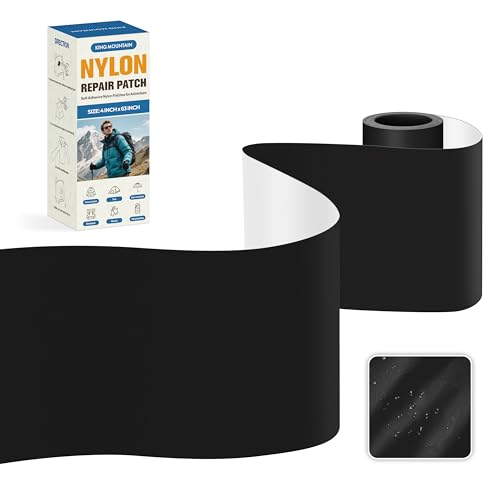
KING MOUNTAIN Self Adhesive Nylon Fabric Repair Tape, 4×63 Inches, Quick Down Jacket Repair Patch, Waterproof Outdoor Gear Patch Kit for Tent,Backpacks,Umbrella, Gloves, Sleeping Bag (Black)
Waterproof and Durable: Nylon self-adhesive outdoor repair tape is wear-resistant and scratch-resistant. The fabric surface is waterproof, comfortable…
As an affiliate, we earn on qualifying purchases.
As an affiliate, we earn on qualifying purchases.
paragliding gear maintenance log
As an affiliate, we earn on qualifying purchases.
As an affiliate, we earn on qualifying purchases.