
To build strength and balance for wingsurfing, focus on core stability by incorporating exercises like planks and Russian twists. Enhance your flexibility with yoga and regular stretching, targeting hips, shoulders, and back. Balance-specific drills, such as standing on one leg or using a balance board, can improve your body awareness and reaction times. Consistency is key, so stick to your routine for best results. By honing these skills, you’ll take your wingsurfing performance to the next level.
Key Takeaways
- Strengthen your core with planks, Russian twists, and stability ball exercises to enhance balance and control while wingsurfing.
- Incorporate dynamic movements like mountain climbers and medicine ball slams to improve functional strength for shifting conditions on the water.
- Enhance flexibility through regular stretching, yoga, and Pilates to reduce injury risk and improve range of motion during twists and turns.
- Practice balance-specific exercises such as standing on one leg and using a balance board to boost proprioception and body awareness.
- Commit to a consistent training routine to build strength and balance over time, tracking progress to maintain motivation and confidence.
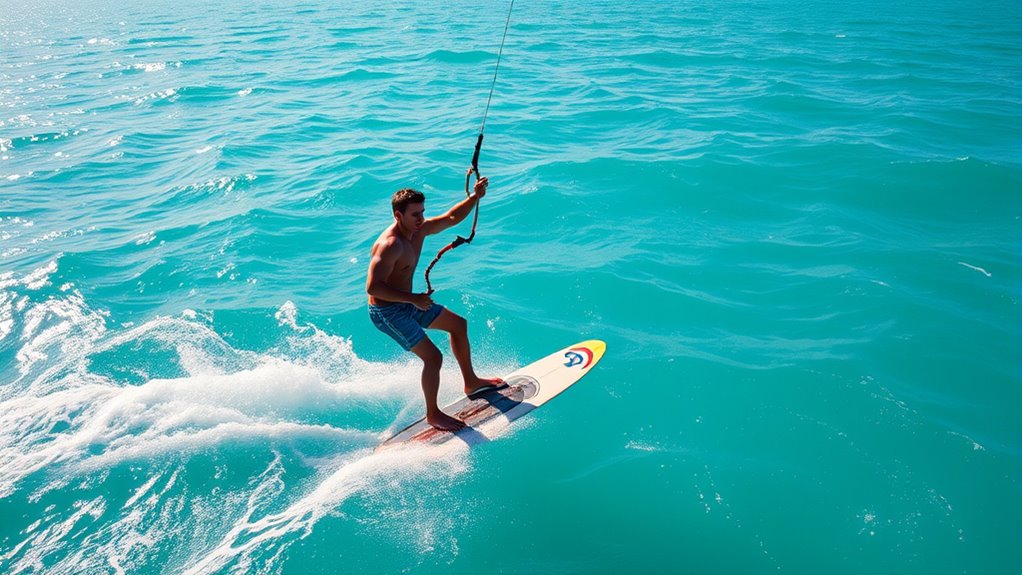
As you gear up to hit the water for wingsurfing, building strength and balance becomes essential. Wingsurfing requires not just the thrill of riding the waves but also a solid foundation of physical capabilities. You’ll need to engage your core and maintain stability while maneuvering through the water, making core stability one of your top priorities. Without a strong core, you risk losing control, which can lead to falls and frustrate your experience.
To enhance your core stability, consider incorporating exercises that focus on strengthening the muscles around your abdomen, back, and pelvis. Planks, Russian twists, and stability ball exercises can be highly effective. These workouts help you develop the necessary strength to keep your body upright as you balance on the board. You might also want to include dynamic movements, like mountain climbers or medicine ball slams, to improve your functional strength. These exercises simulate the demands of wingsurfing, ensuring that your body is prepared for the shifting forces you’ll encounter.
Incorporate core-strengthening exercises like planks and Russian twists to enhance stability for wingsurfing success.
Flexibility training plays a vital role in your wingsurfing journey as well. As you twist and turn on the board, having a full range of motion will enhance your performance and reduce the risk of injury. Regular stretching routines can help you achieve that flexibility. Focus on your hips, shoulders, and back, as these areas are pivotal in maintaining balance and control. Incorporating yoga or Pilates into your routine can also be beneficial, as both emphasize flexibility while promoting core strength.
You can also consider adding balance-specific exercises to your regimen. Standing on one leg or using a balance board can improve your proprioception and stability. This training will not only enhance your wingsurfing skills but also contribute to overall body awareness, allowing you to react quickly to shifting conditions on the water. Additionally, understanding coastal zones and their interactions with wave action can inform your approach to tackling different water conditions.
Finally, don’t underestimate the importance of consistency. Building strength and balance takes time and dedication, so make it a point to stick to your training routine. Track your progress, and celebrate small victories along the way. With a strong core, improved flexibility, and a commitment to balance training, you’ll find yourself more confident and capable as you take on the waves. Before you know it, you’ll be gliding through the water with ease, enjoying every exhilarating moment of wingsurfing.

Fender x Wavestorm Collaboration 8ft Surfboard | Graphic top Deck with high Density Slick Bottom | for Kids and Adults | Foam Construction with Accessories | Leg Leash and Fin Set Included
The Wavestorm 8ft surfboard dimensions are 96 l x 22.5" w x 3.25" thick - weight is 11.4lbs...
As an affiliate, we earn on qualifying purchases.
Frequently Asked Questions
What Equipment Do I Need for Wingsurfing?
To start wingsurfing, you’ll need a wing, board, and a foil. Choose a wing shape that suits your skill level and conditions. Make sure to get a reliable leash for safety; it’ll keep the wing attached to you if you fall. Don’t forget a wetsuit for warmth, and consider protective gear like a helmet and impact vest. With the right equipment, you’re set for an exciting adventure on the water!
How Do I Choose the Right Wingsurfing Board Size?
Choosing the right wingsurfing board size can feel like finding a needle in a haystack! Start by considering your rider weight; generally, more weight means you’ll need a board with greater volume for stability. For beginners, a higher volume board helps with balance, while experienced riders might prefer a smaller size for maneuverability. Always check the manufacturer’s recommendations to guarantee you’re selecting the best volume for your skill level and weight. Happy wingsurfing!
Can I Wingsurf in Small Waves?
Yes, you can wingsurf in small waves! Ideal wave height for beginners is around one to two feet, as they offer a fun challenge without overwhelming you. In the surf zone, focus on your balance and control while riding the waves. Make sure to pick a spot with suitable wind conditions, and always be aware of other surfers. Enjoy the thrill of gliding over small waves and developing your skills!
What Is the Ideal Wind Speed for Beginners?
The ideal wind speed for beginners is typically between 10 to 15 knots. At this range, you’ll find it easier to control the wing and stay balanced, ensuring your safety as you learn. Anything lighter might not provide enough power, while stronger winds can be overwhelming for newbies. Always prioritize safety and choose wind conditions that match your skill level, so you can enjoy the experience without unnecessary risks.
How Long Does It Take to Learn Wingsurfing?
Learning wingsurfing typically takes a few weeks to a few months, depending on your practice consistency and prior experience. As you progress, you’ll notice skill progression; mastering the basics first is vital. Stay patient and dedicated, and don’t shy away from regular practice. Each session will build your confidence and competence, helping you glide gracefully over the water. Embrace the journey, and soon you’ll be soaring like a pro!
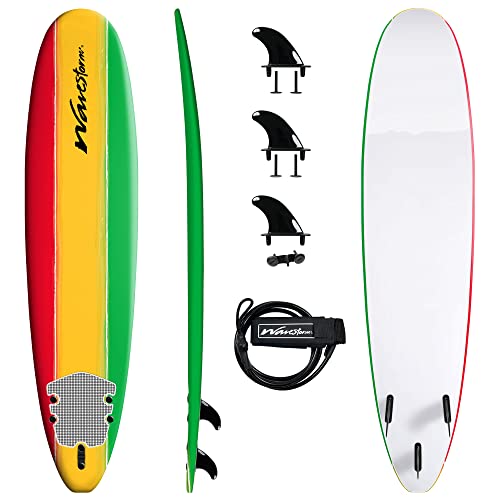
Wavestorm - Classic Soft Top Foam 8ft Surfboard (Tri Color Solid
Soft Foam Construction Classic Surfboard, strong EPS core with 3 stringer system
As an affiliate, we earn on qualifying purchases.
Conclusion
In the world of wingsurfing, strength and balance are your best friends, guiding you through every gust and wave. By honing these skills, you’re not just preparing your body; you’re opening a thrilling adventure that feels like dancing on water. So, embrace the challenge, stay consistent, and watch your confidence soar like a kite in the wind. With each session, you’ll find yourself carving through the waves, ready to conquer the next horizon. Happy wingsurfing!

Wave Storm 8ft Surfboard // Foam Wax Free Soft Top Longboard for Adults and Kids of All Levels of Surfing,Mix,AZ22-WSSF800-B
Soft foam construction Classic surfboard, strong EPS core with 3 Stringer System
As an affiliate, we earn on qualifying purchases.

THURSO SURF Aero 7ft Soft Top Foam Surfboard for Beginner Adults and Kids Lightweight Shortboard for Surfing Beach Fun and Water Sports – Durable, Stable, and Easy to Ride for All Levels Surfers
Beginner-Friendly Design: Designed with beginners in mind, this 7ft foam surfboard offers a stable, forgiving platform that makes...
As an affiliate, we earn on qualifying purchases.