Yes, air purifiers can substantially help with allergies by filtering out common indoor pollutants like dust, pet dander, and pollen. With HEPA filters capturing 99.97% of particles as small as 0.3 microns, you’ll breathe cleaner air and likely experience a reduction in allergy symptoms. Additionally, models with activated carbon filters tackle VOCs, enhancing indoor air quality further. If you want to learn about choosing the right purifier for your needs, there’s more to discover.
Key Takeaways
- Air purifiers with HEPA filters can capture 99.97% of allergens like dust, pet dander, and pollen, significantly reducing allergy symptoms.
- Cleaner indoor air helps mitigate discomfort caused by allergens and improves overall health and well-being in living spaces.
- Activated carbon filters target VOCs, further enhancing air quality and reducing irritants that can trigger allergies.
- Regular maintenance, such as timely filter replacements, is essential for optimal performance in reducing allergens.
- Choosing an air purifier that matches your room size and has a high CADR ensures effective allergen removal.

Have you ever wondered how much cleaner your indoor air could be? If you suffer from allergies, you might find that the air inside your home is more polluted than you realize. Dust, pet dander, pollen, and even volatile organic compounds (VOCs) can linger in your living space, contributing to your discomfort. Investing in an air purifier could be a game-changer for your health and well-being.
One of the key features to look for in an air purifier is the HEPA filter. High-Efficiency Particulate Air (HEPA) filters are designed to capture particles as small as 0.3 microns with an efficiency of 99.97%. That means they can effectively trap allergens like dust mites, mold spores, and pet hair, profoundly improving your indoor air quality. When you’re breathing cleaner air, you’ll likely notice a decrease in allergy symptoms, making it easier to enjoy your home.
A HEPA filter captures 99.97% of allergens, significantly enhancing your indoor air quality and reducing allergy symptoms.
But let’s not forget about VOCs. These harmful chemicals can come from various sources, such as cleaning products, paints, and furniture. They can irritate your eyes, nose, and throat, and prolonged exposure can lead to more serious health issues. A good air purifier can aid in VOC removal, filtering out these pollutants before you even have a chance to breathe them in. Look for models that have activated carbon filters alongside HEPA filters for the best results in tackling both allergens and VOCs.
It’s also essential to consider the size of the air purifier in relation to the room where you’ll use it. If you choose an air purifier that’s too small, it won’t effectively clean the air in your space. Make sure to select a unit that matches the square footage of your room for the best performance. Many manufacturers provide a Clean Air Delivery Rate (CADR) rating, which can help you determine how quickly and efficiently the purifier can clean the air.
Finally, remember to maintain your air purifier regularly. Change the HEPA filter as recommended, usually every 6 to 12 months, to guarantee it continues capturing allergens effectively. Don’t forget to check the carbon filter as well, since it can lose its effectiveness over time. By keeping your air purifier in top shape, you’ll maximize its benefits, helping you breathe easier and live healthier in your home. Regular filter changes are essential for optimal performance and ensuring your air purifier works effectively.

LEVOIT Air Purifier for Home Large Room Up to 1073Ft² with Air Quality Monitor, AHAM VERIFIDE, Smart WiFi, Washable Pre-Filter, HEPA Sleep Mode for Pets, Allergies, Dust, Pollen, Vital 100S-P, White
𝐖𝐇𝐘 𝐂𝐇𝐎𝐎𝐒𝐄 𝐀𝐇𝐀𝐌 𝐕𝐄𝐑𝐈𝐅𝐈𝐃𝐄 𝐀𝐈𝐑 𝐏𝐔𝐑𝐈𝐅𝐈𝐄𝐑𝐒: AHAM (Association of Home Appliance Manufacturers) is an ANSI-accredited organization that sets…
As an affiliate, we earn on qualifying purchases.
As an affiliate, we earn on qualifying purchases.
Frequently Asked Questions
Can Air Purifiers Eliminate Pet Dander Completely?
Air purifiers can’t eliminate pet dander completely, but they can substantially reduce it. By using a HEPA filter, you’ll capture a large portion of those tiny particles floating around your home. Just remember, filter maintenance is essential—dirty filters can’t do their job effectively. Regularly checking and replacing filters will help you breathe easier and create a healthier environment for you and your furry friend.
How Often Should I Replace Air Purifier Filters?
You should replace your air purifier filters every 6 to 12 months, depending on usage and the filter type. Isn’t it comforting to know that regular maintenance can keep your air clean? Monitoring the filter lifespan is vital; some models even have indicator lights. Stick to a maintenance schedule to guarantee peak performance, helping you breathe easier and enjoy fresher air. Don’t forget to check your manufacturer’s guidelines for specific recommendations!
Do Air Purifiers Produce Ozone?
Yes, some air purifiers can produce ozone, especially those using certain technologies like ionizers. Ozone concerns arise because it can irritate your lungs and worsen respiratory issues. When choosing an air purifier, focus on filter effectiveness, opting for HEPA filters that trap particles without generating ozone. Always check product specifications to make certain you’re not exposing yourself to harmful levels of ozone while improving your indoor air quality.
Are Certain Air Purifiers Better for Specific Allergens?
You bet certain air purifiers are better for specific allergens! If you’re battling dust mites or pet dander, HEPA filters are your best friends—they trap those pesky particles like superheroes. For odors and chemical fumes, activated carbon filters swoop in to save the day, absorbing unwanted smells like a sponge. So, when choosing an air purifier, think about your specific allergens; it can make a world of difference in your breathing comfort!
Can Air Purifiers Improve Sleep Quality for Allergy Sufferers?
Yes, air purifiers can improve your sleep quality if you suffer from allergies. By enhancing the air quality in your bedroom, they reduce allergens like dust, pollen, and pet dander, making it easier for you to breathe. When you breathe easier, you’re more likely to enjoy deeper, uninterrupted sleep. Investing in a good air purifier can be a simple yet effective way to promote sleep enhancement and overall well-being.

MOOKA Air Purifiers for Home Large Room up to 1076ft², H13 True HEPA Air Filter Cleaner, Odor Eliminator, Remove Smoke Dust Pollen Pet Dander, Night Light, B-D02L White
MOOKA B-D02L AIR PURIFIER FOR LARGE ROOM: With the high-efficiency filtration system, the air purifier covers an area…
As an affiliate, we earn on qualifying purchases.
As an affiliate, we earn on qualifying purchases.
Conclusion
In the grand tapestry of indoor air quality, air purifiers can serve as your gentle allies against the sneezes and sniffles of allergies. They quietly filter out the unseen irritants, creating a sanctuary where you can breathe easier. While they may not eliminate every nuisance, they certainly lighten the load, allowing your home to feel more like a haven than a battleground. So, if you’re seeking relief, these devices might just be the gust of fresh air you need.
LEVOIT Air Purifier for Home Large Room Up to 1073Ft² with Air Quality Monitor, AHAM VERIFIDE, Smart WiFi, Washable Pre-Filter, HEPA Sleep Mode for Pets, Allergies, Dust, Pollen, Vital 100S-P, White
𝐖𝐇𝐘 𝐂𝐇𝐎𝐎𝐒𝐄 𝐀𝐇𝐀𝐌 𝐕𝐄𝐑𝐈𝐅𝐈𝐃𝐄 𝐀𝐈𝐑 𝐏𝐔𝐑𝐈𝐅𝐈𝐄𝐑𝐒: AHAM (Association of Home Appliance Manufacturers) is an ANSI-accredited organization that sets…
As an affiliate, we earn on qualifying purchases.
As an affiliate, we earn on qualifying purchases.
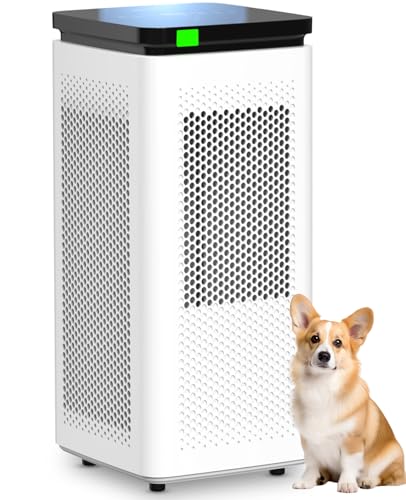
Air Purifiers for Home Large Rooms up to 3500 Ft², H13 True HEPA 0.1 Micron 99.97% Filtration with Carbon Filter, 235 CFM CADR, Removes Allergens, Pet Odor, Smoke, VOCs, 30dB Sleep Mode, PM2.5 Display
H13 True HEPA + Carbon Filter – Removes Allergens, Odors & Smoke: Equipped with H13 True HEPA (0.1μm,…
As an affiliate, we earn on qualifying purchases.
As an affiliate, we earn on qualifying purchases.