Choosing allergy-friendly bedding can markedly improve your sleep environment. Look for materials like organic cotton, bamboo, and microfiber, as they minimize allergen exposure. Be sure to wash your bedding weekly in hot water and dry it thoroughly to eliminate dust mites and irritants. Using allergen-proof covers on pillows also helps. Maintaining a clean, clutter-free space adds to your comfort. Explore further to discover tips on selecting the best bedding and enhancing your overall sleep quality.
Key Takeaways
- Choose hypoallergenic materials like organic cotton, bamboo, or microfiber to minimize allergen exposure and enhance comfort during sleep.
- Wash bedding weekly in hot water to eliminate dust mites, mold, and allergens effectively.
- Use allergen-proof covers on pillows and comforters to provide an additional layer of protection against allergens.
- Maintain a clean bedroom by regularly dusting and vacuuming, using HEPA filters to trap small particles.
- Create a clutter-free sleep environment and control light to further improve comfort and reduce allergens.

If you’re struggling with allergies, choosing the right bedding can make a world of difference. You might not realize it, but your bed can be a hotspot for dust mites, mold, and other allergens. By opting for allergy-friendly bedding made from hypoallergenic materials, you can create a more comfortable sleep environment. This means selecting items that resist allergens, making it easier for you to breathe easy and enjoy a restful night.
When you’re looking for hypoallergenic bedding, consider materials like organic cotton, bamboo, or microfiber. These fabrics are less likely to harbor dust mites and other allergens compared to traditional bedding. Organic cotton, for example, is not treated with harsh chemicals, making it a safer choice for sensitive skin. Bamboo is naturally antimicrobial, which means it helps to inhibit the growth of bacteria and mold. Microfiber, on the other hand, is tightly woven, preventing dust and allergens from penetrating the fabric. Each of these options helps to minimize your exposure to potential irritants while you sleep.
In addition to selecting the right materials, implementing effective cleaning routines is essential for maintaining an allergy-friendly environment. You should wash your bedding in hot water at least once a week to eliminate dust mites and other allergens. Hot water is effective at killing these pests, so don’t skip this vital step. After washing, make sure to dry your bedding thoroughly in a hot dryer, as this further reduces the chances of allergens lingering.
Don’t forget about your pillows and comforters! They can also attract dust mites and require regular washing. Opt for hypoallergenic pillows filled with synthetic materials that resist allergens. If you’re using down or feather pillows, consider encasing them in allergen-proof covers. This simple addition can make a significant difference in your comfort level.
Lastly, remember to dust and vacuum your bedroom regularly. A clean space means fewer allergens floating around, so make it part of your routine. Using a vacuum with a HEPA filter can help trap smaller particles and keep your space as allergen-free as possible. Additionally, maintaining optimal viewing conditions in your bedroom by controlling light and minimizing clutter can further enhance your overall comfort and sleep quality.

SCUBAPRO MK11 EVO/C370 Dive Regulator System, INT
Compact, air-balanced diaphragm design, MK11 EVO delivers top performance and reliability
As an affiliate, we earn on qualifying purchases.
Frequently Asked Questions
Can Allergy-Friendly Bedding Help With Asthma Symptoms?
Yes, allergy-friendly bedding can definitely help with your asthma symptoms. By minimizing dust mites and preventing mold, these materials create a healthier sleeping environment. You’ll notice fewer triggers that can lead to asthma attacks. Choosing hypoallergenic fabrics and regularly washing your bedding can further reduce allergens. When you invest in allergy-friendly options, you’re taking an important step toward improving your air quality and overall comfort while you sleep.
How Often Should I Replace Allergy-Friendly Bedding?
Like revitalizing a garden in spring, you should replace your allergy-friendly bedding every 1 to 3 years. However, it’s essential to clean your bedding frequently, ideally every 1 to 2 weeks, to minimize allergens. The durability of materials matters too; high-quality fabrics can last longer, while less durable options may need replacing sooner. Keep an eye on signs of wear, and don’t hesitate to swap out bedding to maintain a healthy sleep environment.
Are There Specific Brands Known for Allergy-Friendly Bedding?
Yes, there are specific brands known for allergy-friendly bedding. You might consider companies like Saatva, which offers certified organic materials and meets high certification standards. Another great option is Naturepedic, known for its commitment to safety and quality. Both brands prioritize your comfort and health, ensuring their products are free from harmful chemicals. When choosing, always check for certifications like GOTS or OEKO-TEX to guarantee you’re getting the best for your needs.
Is Hypoallergenic Bedding Safe for Infants and Toddlers?
Yes, hypoallergenic bedding is safe for infants and toddlers. In fact, studies show that around 30% of children experience allergic reactions, making it essential to choose the right bedding. You’ll want to guarantee your little one enjoys toddler comfort while also prioritizing infant safety. Hypoallergenic materials can help reduce exposure to allergens, creating a healthier sleep environment. Investing in this type of bedding can lead to better sleep for both you and your child.
Can I Use Regular Bedding With Allergy-Friendly Covers?
Yes, you can use regular bedding with allergy-friendly covers, but keep in mind the difference in material. Regular bedding might still harbor allergens, while covers are designed to protect against them. To maximize effectiveness, wash your regular bedding frequently and follow cleaning tips like using hot water and hypoallergenic detergents. This way, you create a safer sleeping environment while benefiting from the protective qualities of allergy-friendly covers.
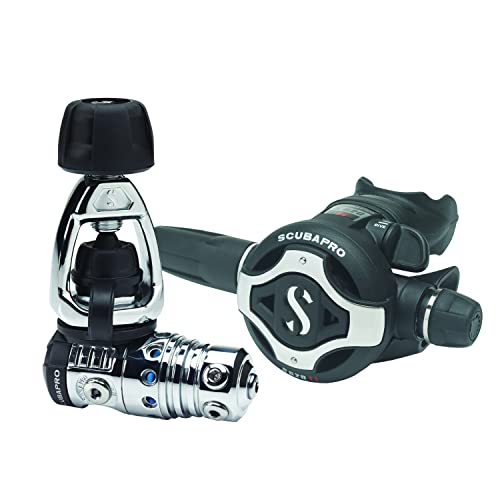
SCUBAPRO MK25 EVO/S620 Ti Diving Regulator System for Scuba Diving, INT
Air-Balanced Flow-Through Piston First Stage: Chrome plated brass body delivers smooth airflow regardless of depth, tank pressure or...
As an affiliate, we earn on qualifying purchases.
Conclusion
In summary, choosing allergy-friendly bedding can considerably improve your sleep quality and overall health. Did you know that about 20 million people in the U.S. suffer from dust mite allergies? By opting for materials like hypoallergenic synthetic fibers or organic cotton, you can create a restful environment free from allergens. Remember, taking care of your bedding by washing it regularly and using protective covers will keep those pesky allergens at bay, ensuring you sleep soundly every night.

Cressi XS2/AC2 Regulator and XS Octopus Package
INCLUDED - 1'st Stage, 2'nd Stage, Octopus, Owner's Manual, and a MFG 2 Year Limited Warranty for comprehensive...
As an affiliate, we earn on qualifying purchases.
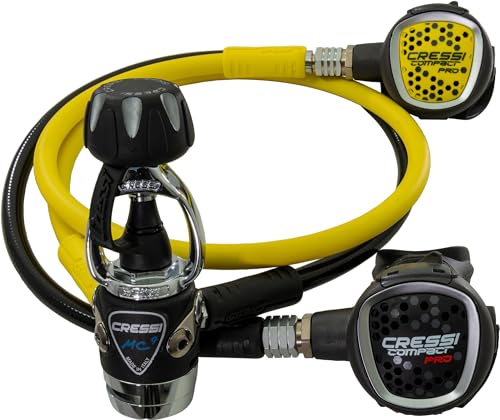
Cressi MC9-SC/Compact Pro + Octopus Compact Pro Complete Regulator Set, INT
The scuba diving regulator is engineered and certified to meet European standards for cold water use, ensuring versatility...
As an affiliate, we earn on qualifying purchases.