
To paddle effectively in a group, you should master key signals like raising your paddle overhead to indicate stopping, waving back and forth to resume paddling, and sweeping side to side for turns. Use clear, deliberate gestures along with verbal commands for emergencies or clarity. Maintain eye contact and respect others’ cues to keep everyone coordinated and safe. If you’re curious about more essential signals and etiquette, you’ll find useful tips to improve your communication skills.
Key Takeaways
- Use a paddle raise above your head to signal stopping or slowing down.
- Wave your paddle back and forth horizontally to indicate resuming paddling or going.
- Sweep your paddle from side to side to signal a turn or change in direction.
- Employ loud verbal commands like “Stop!” or “Emergency!” for urgent situations.
- Maintain eye contact and acknowledge signals respectfully to ensure clear communication.

When paddling in a group, clear communication is essential to guarantee everyone stays safe and moves efficiently. Using effective group paddle signals helps prevent accidents, keeps the group coordinated, and ensures that safety communication flows smoothly. Paddling etiquette emphasizes respecting each other’s space and maintaining a respectful tone, which is vital when giving or receiving signals. It’s important to establish a system of consistent signals before setting out, so everyone understands what each gesture means. This preparation helps to avoid confusion and unnecessary delays, especially in situations that require quick responses. One of the most common signals is the paddle raise to indicate a need to stop or slow down. If you’re signaling for the group to pause, lift your paddle vertically above your head. This gesture is universally understood and helps the group recognize the need to halt without shouting or causing panic. Conversely, to signal to go or resume paddling, you can wave your paddle back and forth horizontally. This simple gesture encourages the group to pick up the pace smoothly. When turning, a paddle sweep from side to side serves as a clear signal to change direction. It’s concise and easy to interpret, minimizing miscommunication during navigation. In situations requiring immediate attention, such as hazards or emergencies, loud, deliberate signals are crucial. Shouting “Stop!” or “Emergency!” can be effective, but combining that with a visual cue like waving your paddle overhead makes the message unmistakable. Remember, safety communication isn’t just about signals; it’s about ensuring everyone understands the urgency and responds appropriately. Maintaining paddling etiquette during these moments is vital—avoid startling others with overly aggressive gestures or shouting without warning, and always acknowledge others’ signals with respect. Additionally, incorporating proper use of visual cues can enhance clarity, especially in noisy environments or at a distance. Another important aspect of paddling etiquette involves using signals to coordinate turns and avoid collisions. When you want to pass or change formation, a gentle paddle tap on the boat or a specific gesture can communicate your intentions without disrupting the group’s rhythm. Also, always keep an eye on your fellow paddlers; a quick nod or eye contact can complement verbal signals, reinforcing clarity. Respect the established signals and avoid overusing them, so they remain meaningful and effective.
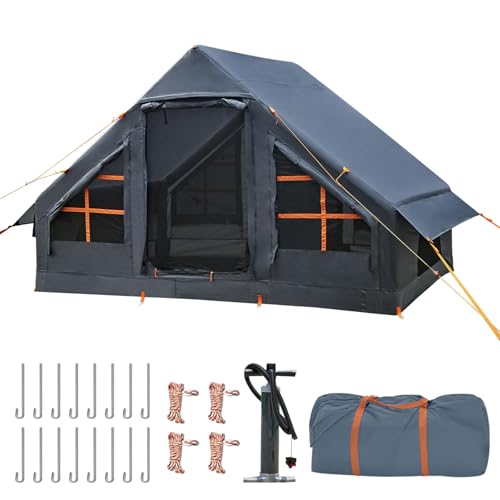
Inflatable Tents for Camping, 4-6 Person Easy Blow Up Tent with Hand Pump,4 Seasons Waterproof Air Inflatable Camping Tent House for Family Weekend Camping,Grey
【Fast Inflate Camping Tent – 5-Min Setup, More Fun Time】Put up this inflatable camping tent alone in just...
As an affiliate, we earn on qualifying purchases.
Frequently Asked Questions
How Do I Learn These Signals Effectively?
To learn paddle signals effectively, focus on mastering visual signal techniques and verbal communication tips. Practice observing experienced paddlers and mimic their signals, paying attention to clarity and consistency. Use visual aids or diagrams to reinforce your understanding, and always confirm signals with your group before paddling. Repetition and active participation help solidify these skills, making communication smoother and safer during your paddling adventures.
Are There Regional Variations in Paddle Signals?
Like language, paddle signals can vary across regions, reflecting local dialects and cultural differences. You might notice subtle variations in gestures or their meanings, much like accents reveal local identity. To prevent miscommunication, learn the standard signals used in your area and ask locals about regional nuances. Staying aware of these differences helps you connect better with fellow paddlers and ensures everyone’s safety on the water.
What Should I Do if a Signal Is Unclear?
If a paddle signal is unclear, you should depend on visual cueing and hand gestures to clarify intent. Ask the person giving the signal to repeat it or use different gestures for clarity. Maintain eye contact and stay alert to their cues, and don’t hesitate to pause the group if needed. Clear communication ensures everyone’s safety, so prioritize understanding signals before proceeding.
How Do Signals Differ for Advanced Paddling Groups?
When paddling with advanced groups, signals often use more complex techniques to guarantee clear communication. You should learn advanced signal techniques that include specific hand gestures, paddle movements, or vocal cues. Follow group communication protocols closely, such as confirming signals and maintaining eye contact, to prevent misunderstandings. These practices help keep everyone safe and synchronized during complex maneuvers or challenging conditions, making your paddling experience smoother and more enjoyable.
Can Signals Be Used for Emergency Communication?
It’s ironic, but paddle signals have a surprisingly vital role in emergencies. You’d think they’d be just for coordination, but their history and international paddling codes make them essential when seconds count. Using these signals for emergency communication isn’t just smart, it’s crucial. They’re designed for clarity across languages, ensuring your group can respond swiftly, even if chaos reigns. So, yes, paddle signals can save lives when you need them most.

Inflatable Tent with Skylight, Quick Setup Blow Up Tents with Pump, Hot Tent with Stove Jack, Waterproof Oxford Inflatable House for Camping, Air Glamping Tents for Camping Adult 4-6 Person
Panoramic PVC Skylight + Optional Privacy Cover: A spacious PVC skylight stretches across one side of the roof,...
As an affiliate, we earn on qualifying purchases.
Conclusion
Now that you’re familiar with these essential group paddle signals, you’re better equipped to communicate clearly and safely on the water. Will you remember to use these signals when it really counts? Practice makes perfect, so don’t hesitate to review and apply them during your next outing. By mastering these signals, you’ll boost everyone’s confidence and ensure a fun, coordinated paddling experience. Ready to put your new skills into action? Get out there and paddle with confidence!

WENZEFZZB 2025 Upgraded Waterproof Inflatable Camping Tent for 5-8 People, No Assembly Needed Luxury Glamping House, Oxford Fabric Inflatable Camping Tents with Hand Pump
【Easy Installation】The inflatable camping tent does not need manual installation of support rods, and it has PVC tarpaulin...
As an affiliate, we earn on qualifying purchases.

Inflatable Camping Tent for 4-6 Person, with Electric Air Pump, 4 Season Waterproof Windproof, Clear Skylight & 420D Oxford Waterproof, Air Tent with Mesh Windows/Doors
【Spacious 4-6 Person Air Tent】Unfolded dimensions: 118"x82"x78" (9.83ft x6.83ft x6.5ft), packs into a 24"x14"x19" portable bag. Perfect for...
As an affiliate, we earn on qualifying purchases.