To keep your personal flotation devices (PFDs) in top shape, store them away from sunlight and sharp objects. Check for damage like fraying or cracks before each use. Test their buoyancy in a safe environment and maintain inflatables by inspecting the inflation mechanism regularly. Rinse PFDs with fresh water after use and let them dry completely to prevent mildew. By staying proactive with care, you can guarantee your safety while out on the water. There’s more to discover about PFD maintenance.

Get sports gear delivered free with Prime
- Fast, free delivery on millions of items
- Prime Video, Amazon Music and more included
- Member-only deals all year
Key Takeaways
- Store PFDs in a cool, dry place away from sunlight and sharp objects to prevent damage and degradation.
- Conduct a visual inspection for fraying straps, cracks, or leaks before use to ensure safety.
- Perform buoyancy and float tests regularly to confirm the PFD functions properly.
- Maintain inflatable PFDs by inspecting the inflation mechanism and testing it each season.
- Rinse PFDs with fresh water after use and allow them to dry completely to prevent mold growth.
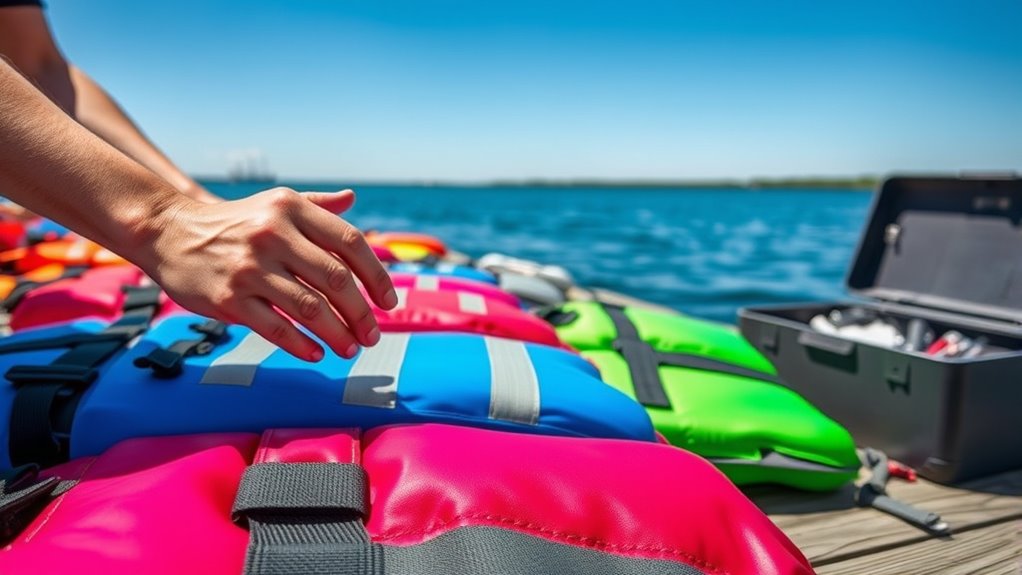
Caring for your personal flotation devices (PFDs) is vital for guaranteeing your safety on the water. These devices are your first line of defense against drowning, so you need to treat them with care and respect. One of the most important aspects of maintaining your PFDs is proper storage. When you’re not using your flotation devices, store them in a cool, dry place away from direct sunlight. UV rays can degrade the materials, compromising their effectiveness. Make sure to keep them away from sharp objects or anything that could puncture or damage them. If possible, use a dedicated storage bag that protects them from dust and moisture.
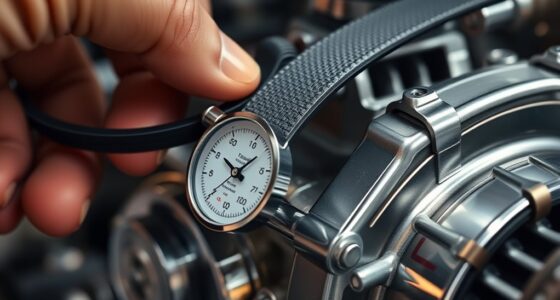
Regular testing is another indispensable component of PFD maintenance. Before you head out on the water, you should perform a quick inspection of your devices. Check for any visible signs of wear and tear, like fraying straps, cracks, or leaks. Even minor damage can make your PFD less effective, so don’t ignore these signs. If you find anything concerning, it’s better to replace the PFD than to risk your safety. You should also check the buoyancy of your devices by performing a simple float test in a controlled environment. If it doesn’t float as it should, it’s time to get a new one.
Regularly inspect your PFDs for wear and perform buoyancy tests to ensure your safety on the water.
For inflatable PFDs, inspect the inflation mechanism and pull the inflation cord to ensure it works properly. You should test these devices every season, even if you haven’t used them. It’s easy to overlook this step, but it can save your life. After all, the last thing you want is to find out your PFD doesn’t work when you need it most.
Additionally, remember to clean your PFDs regularly. Rinse them with fresh water after each use, especially if you’ve been in saltwater. Allow them to dry completely before storing them to prevent mold and mildew growth. Pool safety guidelines can provide you with essential information on how to ensure your equipment, including PFDs, remains effective.
Finally, keep an eye on the manufacturer’s recommendations regarding care and maintenance. They often provide specific guidelines that can help you prolong the life of your PFDs. By implementing proper storage and regular testing, you’ll guarantee your personal flotation devices are always ready when you need them, giving you peace of mind while enjoying your time on the water.
Frequently Asked Questions
How Often Should I Replace My Personal Flotation Device?
You should replace your personal flotation device (PFD) every five to ten years, depending on its condition and the manufacturer’s recommendations. Always follow safety guidelines to guarantee your PFD remains effective. Regularly inspect it for wear and tear, and if you notice any damage, consider replacing it sooner. Keeping up with this replacement schedule can help keep you safe while enjoying water activities, so don’t overlook your PFD’s importance.
Can I Wash My Flotation Device in a Washing Machine?
No, you shouldn’t wash your flotation device in a washing machine. It’s like throwing your favorite shirt into a blender—things won’t end well. Instead, use gentle cleaning methods like hand washing with mild soap and water. This way, you’ll keep it in good shape without damaging the materials. Always rinse thoroughly to remove soap residue, and let it air dry completely before storing it. Your safety gear deserves that extra care!
Are There Specific Storage Conditions for Flotation Devices?
Yes, there are specific storage guidelines for flotation devices. You should store them in a cool, dry place away from direct sunlight and extreme temperatures, as these environmental factors can degrade the material. Avoid damp areas to prevent mold and mildew. Make sure they’re clean and dry before storing, and keep them in a well-ventilated space. Following these tips will help you maintain the integrity and safety of your flotation devices.
What Should I Do if My Flotation Device Has Mold?
If your flotation device has mold, act quickly. First, remove the mold by scrubbing the affected areas with a mixture of water and mild soap. Rinse thoroughly and let it dry completely. Next, disinfect the device using a solution of water and white vinegar or a specialized cleaner. Make sure it’s fully dry before storing it again. Regular checks can help prevent future mold growth, ensuring your device stays safe and usable.
Do Flotation Devices Expire, and How Can I Check?
Yes, flotation devices can expire, typically after a lifespan of 10 to 15 years. To check for an expiration date, inspect the label or tag on your device; manufacturers often print this information there. If you can’t find it, look for signs of wear, such as cracks or fading. Regularly checking your flotation device guarantees it’s safe and effective when you need it most. Don’t take chances with your safety!
Conclusion
In the end, keeping your personal flotation devices in top shape isn’t just a chore—it’s a lifesaver. By regularly inspecting and caring for your gear, you guarantee that it’s ready when you need it most. After all, wouldn’t you rather be safe than sorry? So, take a few moments to check those straps and seams; your safety—and possibly your life—depends on it. Don’t wait until it’s too late; your next adventure deserves the best protection!
NFL season / tailgating Picks
team gear
As an affiliate, we earn on qualifying purchases.