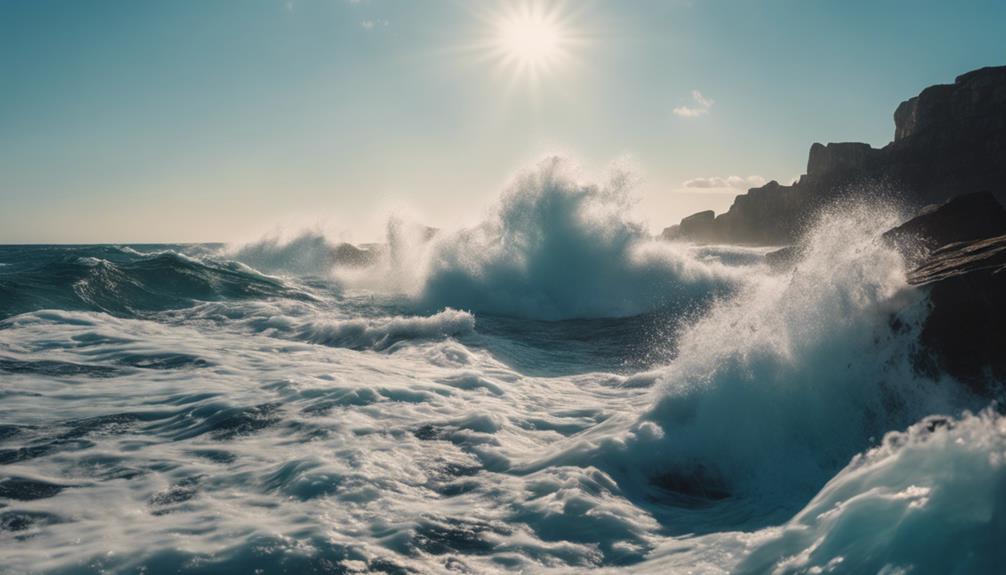
Surfing waves are created through the interaction of wind, gravitational forces, and ocean dynamics. When wind blows across the ocean, it transfers energy, forming ripples that grow into waves. The speed and duration of the wind, along with the distance it travels—known as fetch—determine the wave size. Meanwhile, the gravitational pull from the moon and sun influences tidal patterns and wave breaks. Understanding these factors helps you find the best surf spots and times to paddle out. Stick around; there's so much more to uncover about the art and science of catching those perfect waves!
Key Takeaways
- Waves are formed when wind transfers energy to the ocean's surface, creating ripples that grow into larger waves.
- Factors like wind speed, fetch, and duration influence the size and power of the waves created.
- Stronger winds and longer fetch result in more powerful waves, providing better surfing conditions.
- Gravity plays a crucial role in shaping ocean waves, affecting their height and behavior as they approach shore.

Sticky Bumps Original surf Wax Cool-Cold – 2 Pack | Long-Lasting Surfboard Wax | Great Bump Building for Surfing | Non-Toxic, Nature-Safe | for Surfboard surf Wax Temps 69°F / 20°C & Below.
Perfect for Cool/Cold Waters: Designed for surf wax water needs, working best in Water temperatures 69°F / 20°C…
As an affiliate, we earn on qualifying purchases.
As an affiliate, we earn on qualifying purchases.
Ocean Dynamics and Surfing Conditions
Understanding ocean dynamics is key to catching the best waves, as currents and tides directly shape your surfing conditions.
Ocean currents, driven by wind and temperature differences, greatly influence the quality of waves you ride. When you know how these currents behave, you can predict the best surf spots and times.
Tidal patterns also play an essential role; the gravitational pull of the moon and sun creates variations in wave breaks, allowing you to catch more powerful waves during certain phases of the tide.
Weather systems, particularly storms, generate significant swells that can transform an average day into a surfing paradise. By keeping an eye on wind patterns and storm systems, you can anticipate when conditions will be ideal.
Understanding the surf line and how to read the ocean will help you pinpoint the best moments to paddle out.
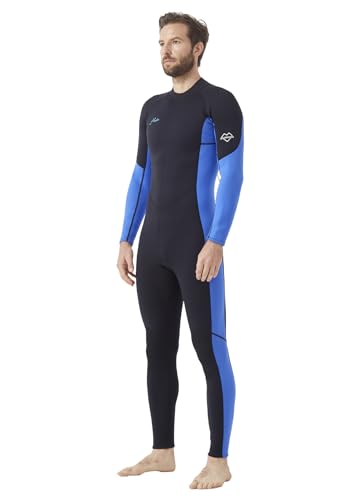
Hevto Wetsuits Men 3/2mm Neoprene Scuba Diving Surfing Wet Suit Keep Warm Back Zip in Cold Water Swimming Kayaking Jet Ski SUP (Men1-Blue, L)
Why – Wetsuits can give you extra warmth in cold water. The working principle of wetsuits is that…
As an affiliate, we earn on qualifying purchases.
As an affiliate, we earn on qualifying purchases.
Wave Formation Science
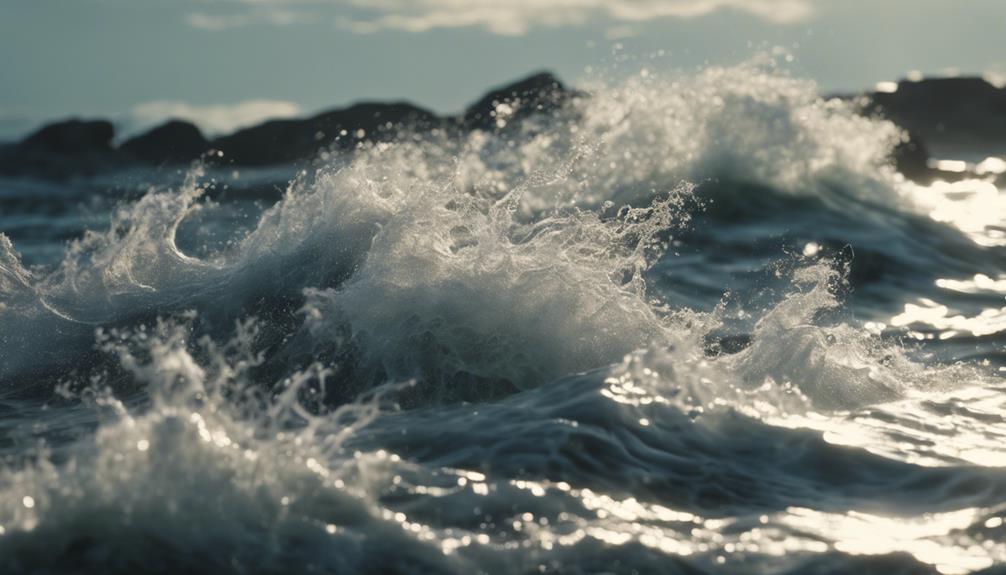
Waves form when the wind transfers energy to the ocean's surface, creating initial ripples that develop into larger, more powerful gravity waves. The process of wave formation is influenced by several factors, including wind speed, fetch, and duration. When wind blows over a long distance, it generates larger waves, which can travel vast distances before breaking.
| Factor | Description |
|---|---|
| Wind Speed | Stronger winds create larger gravity waves |
| Fetch | Longer distances result in more powerful waves |
| Wave Crest | The highest point of a wave, essential for surfers |
| Energy Dissipation | Waves lose energy as they approach shore |
As you head to the beach, note that wind-sea waves are often chaotic, whereas groundswell waves provide more consistent surf conditions. Surfers ride these waves as they break, influenced by local topography. At Beach Breaks, the interaction of waves and the ocean floor creates unique surf conditions, making every wave a new adventure. Understanding wave formation helps you appreciate the science behind the surf you love.
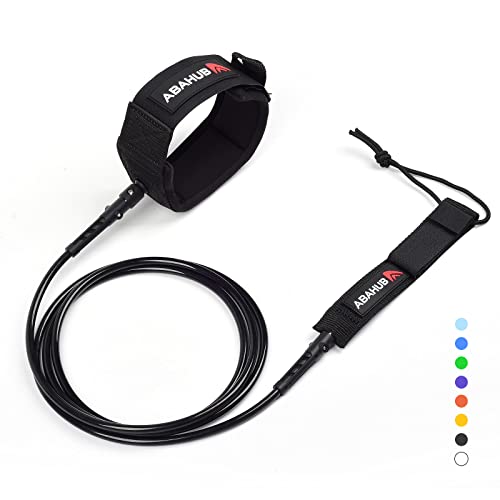
Abahub Premium Surfboard Leash, Straight Surf Board Leg Rope, Legrope Strap for Shortboard, Skimboard Replacement Leashes 6 Foot Black 6 mm Thick
5 Sizes for Perfect Fit: It's suggested to choose a surfboard leash equal in length to or slightly…
As an affiliate, we earn on qualifying purchases.
As an affiliate, we earn on qualifying purchases.
Gravitational Forces and Waves

Gravity plays a pivotal role in shaping the dynamics of ocean waves, affecting their height and behavior as they approach the shore. The gravitational forces at work create a delicate balance in wave formation, pulling wave crests downward and allowing energy to build. As waves get closer to the shore, the gravitational pull increases wave height, leading to breaking waves that are essential for your surfing experience.
Different types of waves, like spilling and plunging waves, emerge from the interaction of gravity and the ocean surface, greatly influencing surfing conditions. You can enhance your performance by understanding how gravitational forces impact wave speed and power. By adjusting your strategies based on these dynamics, you'll maximize your time on the water.
Gravitational dynamics not only dictate the characteristics of waves but also guarantee your safety while surfing. Knowing how gravity affects wave behavior can help you time your rides perfectly, allowing you to enjoy the thrill of catching the perfect wave.
Ultimately, mastering these gravitational forces enhances your overall surfing experience, making each ride exhilarating and enjoyable.

Abahub Surfboard Thruster Fins Set, Compatible with Future Style Fin Box, Fiberglass Reinforced 3 Pieces Surf Fin Set for Surf Boards, Surfing Longboard, Shortboard, with Screws and Key, Blue
Classic Design: Depth 4.55 inches, base 4.37 inches, area 14.76 square inches. This classic fin design has been…
As an affiliate, we earn on qualifying purchases.
As an affiliate, we earn on qualifying purchases.
Surfing Locations and Techniques
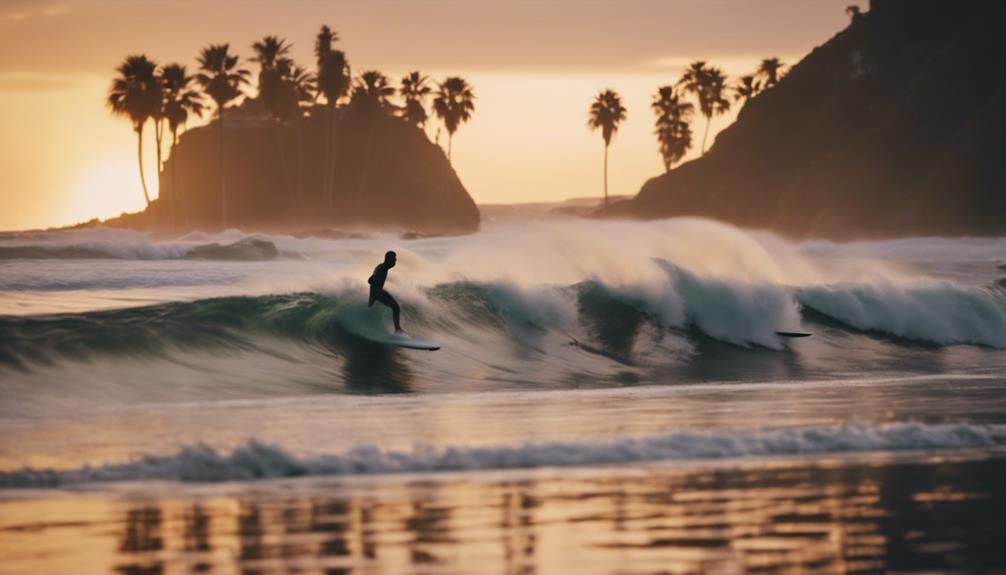
Hawaii and California offer some of the best surfing locations in the world, each with unique spots that cater to various skill levels and techniques.
In Hawaii, you can experience the birthplace of surfing, while California boasts diverse coastlines with famous locations like Mavericks for big-wave surfing and Malibu for longboarding.
When choosing a surfboard type, you'll find longboards, which are about 3 meters long, ideal for stability and easier paddling, perfect for cruising. On the other hand, shortboards provide agility, allowing for sharper turns and quick maneuvers in more challenging conditions.
If you're looking to connect intimately with the ocean, consider body surfing. This technique involves riding the waves without a board, often enhanced by swim fins for propulsion.
Understanding wave dynamics is essential; you need to assess the strength and safety of breaking waves, which provide the necessary force to ride. The characteristics of these waves are influenced by factors like swell stability and the distance from storm systems.
Whether you're a beginner or experienced surfer, these locations and techniques will enrich your surfing journey.
Surfing Gear and Safety Practices
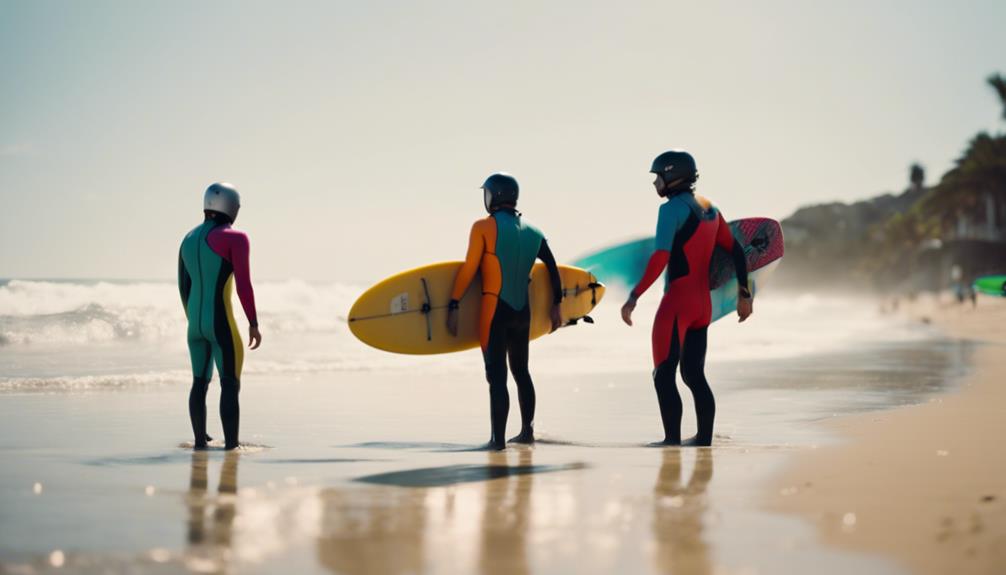
Having the right surfing gear and understanding essential safety practices are essential for an enjoyable and secure surfing experience.
Start with a good wetsuit to keep warm in cooler waters, and choose a surfboard that matches your skill level—foam boards are perfect for beginners while shortboards suit more experienced surfers. Don't forget to attach a leash to your board to prevent it from drifting away, and apply wax for better grip.
Safety practices are equally important. Make certain you're familiar with surf etiquette, which helps maintain a respectful environment in the water. Be on the lookout for rip currents and know how to navigate them safely. Always check the tides and weather conditions before heading out; this knowledge can greatly enhance your safety.
For those tackling larger waves, using helmets and impact vests is highly recommended to reduce injury risk. Awareness of local wildlife, including potential shark sightings, is also essential.
Frequently Asked Questions
How Are Surfing Waves Created?
Surfing waves are created when wind transfers energy to the water, forming ripples that grow into larger waves. Factors like wind speed, duration, and fetch play vital roles in determining their size and strength.
How Was Surfing Made?
Surfing's like catching the wind in a bottle; it blossomed from ancient Polynesian traditions. You'll find its roots in Hawaii, where royal surfers carved waves on heavy wooden boards before lighter designs transformed the sport into a global phenomenon.
How Are Artificial Surf Waves Made?
Artificial surf waves are created using specialized wave pools that employ mechanical systems like air compressors or hydraulic pumps. These technologies shape water into waves, offering customizable experiences tailored to your surfing skill level.
What Causes Huge Surfing Waves?
Huge surfing waves roll in like a freight train, powered by strong winds over vast oceans. Low-pressure systems and long fetches boost their energy, while underwater features amplify their heights as they approach the shore.
What is the Difference Between Natural Surfing Waves and Man-Made Surfing Wave Pools?
Natural surfing waves are formed by wind and ocean currents, creating unpredictable and ever-changing swells. In contrast, man-made surfing wave pools use technology to generate consistent waves, providing a more controlled surfing experience. Understanding how surfing wave pools work involves the use of paddles, air chambers, or underwater devices to create waves.
Conclusion
In the dance of ocean currents and gravitational whispers, you've uncovered the art of wave creation. Each swell is a story waiting for your board to ride, blending science with the thrill of the surf.
As you embrace the rhythm of the sea, remember that the right gear and safety practices are your lifeline.
So, venture boldly into those liquid mountains, and let the waves carry you through the exhilarating symphony of surfing.