The Tecnifibre Carboflex X-TOP V2 is my best overall pick among these high-performance squash racquets, pairing a fast, attacking profile with a modern frame design. The Carboflex 125(S) is a standout for players who want maneuverability, while the HEAD Nano Ti 110 offers a more approachable route to a light, responsive racquet. The main tradeoff is between speed and stability: lighter frames can help with quick reactions but may feel less solid on off-center hits. Head shape, balance, string setup, and player level also affect whether a powerful racquet feels precise or difficult to control. Read on for the full comparison and advice on matching a frame to your game.

Get sports gear delivered free with Prime
- Fast, free delivery on millions of items
- Prime Video, Amazon Music and more included
- Member-only deals all year
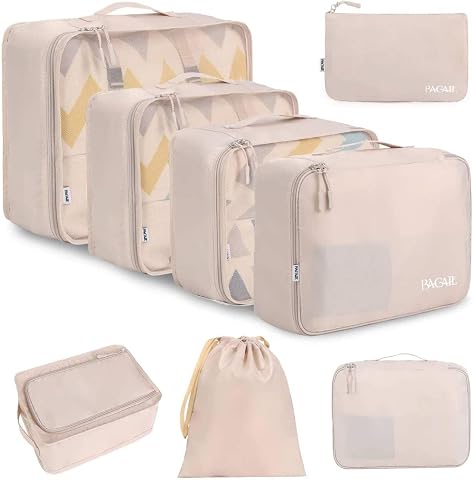
Complete the kit


Key Takeaways
- The Tecnifibre Carboflex X-TOP V2 ranks first for its balance of attacking pace, maneuverability, and contemporary design; players who prefer a familiar 125 g frame can compare it with the original X-TOP.
- The Carboflex 125(S) is the speed-first alternative in this lineup, but a lighter, quick-handling feel may give up some steadiness when contact is off center.
- HEAD’s Nano Ti 110 and i110 make lighter handling more accessible than the most performance-focused Tecnifibre options, though buyers should compare their control needs before choosing by weight alone.
- The Tecnifibre Carboflex Team kit adds convenience rather than a clear performance advantage; bundled accessories can suit a first setup, while experienced players may prefer choosing a racquet and gear separately.
- Entry-oriented options such as the HEAD Cyber Edge 2024 and Pro Impact Graphite are not automatic choices for advanced play; their value depends on whether forgiveness and a simpler setup matter more than precise attacking response.
| Pro Impact Graphite Squash Racket with Carry-On Cover |  | Best for Control-Minded Beginners | Frame material: Graphite | Shaft material: Graphite | Unstrung weight: 150 ± 5 g | VIEW LATEST PRICE | See Our Full Breakdown |
| Tecnifibre CarboFlex Basaltex 125 Squash Racquet |  | Best for Lightweight All-Court Play | Frame weight: 125 ± 5 g | Balance: 350 ± 5 mm | Frame material: Graphite | VIEW LATEST PRICE | See Our Full Breakdown |
| Tecnifibre Carboflex Team Squash Racquet Kit |  | Best Complete Club-Play Kit | Racquet weight: 130 g | Racquet material: Carbon fiber | Grip size: 4 inches | VIEW LATEST PRICE | See Our Full Breakdown |
| Tecnifibre Carboflex X-TOP V2 Squash Racquet |  | Best for Advanced Attackers | Skill level: Advanced | Weight: 125 g | Head size: 500 cm² (78 in²) | VIEW LATEST PRICE | See Our Full Breakdown |
| HEAD Nano Ti 110 Squash Racquet |  | Best for Head-Heavy Power | Weight: 110 g | Head size: 500 cm² (77.5 sq in) | Balance: Head heavy | VIEW LATEST PRICE | See Our Full Breakdown |
| Dunlop Sonic Lite Ti Squash Racket |  | Best for Recreational Beginners | Material: Aluminum | Weight: 195 g | Balance: Head light | VIEW LATEST PRICE | See Our Full Breakdown |
| HEAD Nano Ti Spector Graphite Squash Racquet |  | Best for Maneuverable Graphite Performance | Frame material: Graphite | Weight: 195 g unstrung | Head size: 485 cm² / 75.2 in² | VIEW LATEST PRICE | See Our Full Breakdown |
| Tecnifibre Carboflex 125(S) Squash Racquet |  | Best Ready-to-Play Lightweight Graphite Pick | Frame material: Graphite | Shaft material: Graphite | Weight: 125 g / 4.48 oz | VIEW LATEST PRICE | See Our Full Breakdown |
| HEAD i110 Squash Racket |  | Best Lightweight Choice for Developing Players | Frame weight: 110 g / 3.8 oz | Frame material: Graphene | Shaft material: Carbon fiber | VIEW LATEST PRICE | See Our Full Breakdown |
| Harrow Sports Vapor 110 Squash Racquet |  | Best for Advanced and Professional Players | Weight: 110 g | Frame material: Graphite | Shaft material: Carbon/Graphite | VIEW LATEST PRICE | See Our Full Breakdown |
| HEAD Cyber Edge 2024 Squash Racquet |  | Best for Developing Control | Brand: HEAD | Skill level: Beginner | Frame material: Aluminum | VIEW LATEST PRICE | See Our Full Breakdown |
| Prince Vortex Pro 650 Squash Racquet (2025 Edition) |  | Best for Vibration-Conscious Intermediate Players | Brand: Prince | Skill level: Intermediate | Weight: 125 g | VIEW LATEST PRICE | See Our Full Breakdown |
| Tecnifibre Carboflex X-TOP Squash Racquet, 125 g |  | Best for Advanced Power and Fast Play | Brand: Tecnifibre | Skill level: Advanced | Weight: 125 g | VIEW LATEST PRICE | See Our Full Breakdown |
| high-performance squash racquet | Frame material | Balance | Grip size | Weight |
|---|---|---|---|---|
| Pro Impact Graphite Squash Rac | Graphite | 350 ± 7.5 mm, head light | 4 inches | — |
| Tecnifibre CarboFlex Basaltex | Graphite | 350 ± 5 mm | 4 inches | — |
| Tecnifibre Carboflex Team Squa | — | — | 4 inches | — |
| Tecnifibre Carboflex X-TOP V2 | Graphite | 350 mm | — | 125 g |
| HEAD Nano Ti 110 Squash Racque | Titanium | Head heavy | One size | 110 g |
| Dunlop Sonic Lite Ti Squash Ra | — | Head light | — | 195 g |
| HEAD Nano Ti Spector Graphite | Graphite | 315 mm unstrung | — | 195 g unstrung |
| Tecnifibre Carboflex 125(S) Sq | Graphite | 350 mm | One size | 125 g / 4.48 oz |
| HEAD i110 Squash Racket | Graphene | — | 3 7/8 inches | — |
| Harrow Sports Vapor 110 Squash | Graphite | — | 3 7/8 inches | 110 g |
| HEAD Cyber Edge 2024 Squash Ra | Aluminum | Head-light (315) | 4 inches | 195 g (6.9 oz) listed in item details; description also states 205 g |
| Prince Vortex Pro 650 Squash R | 100% graphite with TeXtreme Gen Z | — | — | 125 g |
| Tecnifibre Carboflex X-TOP Squ | Graphite | 350 mm | 4 (L3) | 125 g |
More Details on Our Top Picks
Pro Impact Graphite Squash Racket with Carry-On Cover
The Pro Impact Graphite Squash Racket offers a head-light balance that can help newer players move the racquet quickly and adjust for control during rallies. Its listed 150 ± 5 g unstrung weight is heavier than the Tecnifibre CarboFlex Basaltex 125’s 125 g frame, so it may feel less quick through repeated swings, but could suit players who prefer a more substantial response. The graphite frame and shaft, factory-installed strings, and included carry-on cover make it a practical starting point for players who want a ready-to-carry setup. There is a meaningful data discrepancy: the description cites about 350 g, while the specifications list 150 ± 5 g unstrung. I would confirm the actual weight before buying, and check the fixed 4-inch grip for fit.
Pros:- Head-light balance supports quick repositioning and control-focused play.
- Graphite frame and shaft keep the construction focused on lightweight handling.
- Comes strung, so it is ready to use without a separate stringing step.
- Carry-on cover helps protect and transport the racquet.
Cons:- Weight information conflicts: specifications say 150 ± 5 g unstrung, while the description says approximately 350 g.
- The 4-inch grip may not fit players who need a smaller or larger handle.
- At the listed unstrung weight, it is heavier than the 125 g Tecnifibre CarboFlex Basaltex 125.
Best for: Adult beginners who want a strung graphite racquet, head-light handling, and a protective carry-on cover.
Not ideal for: Players seeking a verified ultralight frame or a tailored grip; the listed weight conflicts with the description and the grip is specified only as 4 inches.
- Frame material:Graphite
- Shaft material:Graphite
- Unstrung weight:150 ± 5 g
- Balance:350 ± 7.5 mm, head light
- Length:685 ± 5 mm
- String pattern:14 × 18
- Grip size:4 inches
- Stringing:Strung
- Included accessory:Carry-on cover
Our verdict“Choose this for a control-oriented beginner setup with a cover, but verify its weight and grip fit before purchase.”
Tecnifibre CarboFlex Basaltex 125 Squash Racquet
At a listed 125 ± 5 g frame weight, the Tecnifibre CarboFlex Basaltex 125 favors quick preparation and easy racquet acceleration. That makes it a more maneuverable choice than the heavier-listed Pro Impact Graphite Squash Racket, particularly for players who want to react quickly rather than carry extra mass through each swing. The Basaltex Transmitters and Isomorph Shaft distinguish its construction, while the factory-installed 1.25 mm Tecnifibre synthetic gut means it arrives ready to play. Its adult, all-skill-level positioning makes it approachable, though the light frame may not satisfy players who prefer a more substantial feel at contact. I would also check the 4-inch grip before ordering: the listing gives no alternate size, so handle fit may be a limiting factor.
Pros:- 125 ± 5 g frame weight supports fast racquet preparation.
- Basaltex Transmitters and Isomorph Shaft give the frame a distinct technology package.
- Factory-strung with 1.25 mm Tecnifibre synthetic gut.
- Graphite frame and carbon fiber shaft keep the construction performance-focused.
Cons:- Light frame may feel less substantial to players who favor added mass.
- Only a 4-inch grip size is listed.
- The listing provides no alternate weight or balance configuration.
Best for: Adult club players who value a lightweight, quick-handling racquet and want a strung setup without committing to an advanced-only model.
Not ideal for: Players who prefer a heavier-feeling racquet or need a grip size other than the listed 4 inches.
- Frame weight:125 ± 5 g
- Balance:350 ± 5 mm
- Frame material:Graphite
- Shaft material:Carbon fiber
- Frame technology:Basaltex Transmitters and Isomorph Shaft
- String:Tecnifibre synthetic gut, 1.25 mm
- Stringing:Strung
- Grip size:4 inches
Our verdict“Pick the CarboFlex Basaltex 125 if quick handling and a ready-strung graphite-and-carbon build matter more than a heavier racquet feel.”
Tecnifibre Carboflex Team Squash Racquet Kit
The Carboflex Team Kit is the most complete ready-to-play package here: alongside its 130 g carbon fiber racquet, it includes protective eyewear, two double yellow dot balls, and a clear kit bag. Compared with the Tecnifibre CarboFlex Basaltex 125, the racquet is 5 g heavier by the listed figures, while the extra equipment makes this a better match for someone assembling a club kit than for a buyer who already owns accessories. The included balls are intended for advanced bounce conditions and need warming, so they may be a poor match for beginners or cold courts. The racquet is strung and described as maneuverable, but the listing gives fewer racquet details than the standalone Basaltex 125. The transparent bag is practical for identifying contents, though it offers little visual privacy.
Pros:- 130 g carbon fiber racquet is designed for maneuverability.
- Includes impact-resistant protective eyewear.
- Comes with two WSF-approved double yellow dot balls.
- Clear kit bag keeps the included equipment together and easy to identify.
Cons:- Double yellow dot balls are designed for advanced bounce conditions and require warming.
- Transparent bag does not conceal its contents.
- Provides less racquet specification detail than the CarboFlex Basaltex 125 listing.
Best for: Club players who need a lightweight strung racquet, eye protection, and match-style balls in one purchase.
Not ideal for: New players who need lively, easy-bouncing balls, or experienced players who already own eyewear and court accessories.
- Racquet weight:130 g
- Racquet material:Carbon fiber
- Grip size:4 inches
- Racquet stringing:Strung
- Included racquet:Tecnifibre Carboflex Team
- Included balls:Two WSF-approved double yellow dot squash balls
- Included eyewear:Impact-resistant protective eyewear
- Included bag:Clear kit bag
Our verdict“Choose this kit when you need court essentials as well as a maneuverable strung racquet, provided advanced-bounce balls suit your playing conditions.”
Tecnifibre Carboflex X-TOP V2 Squash Racquet
The Carboflex X-TOP V2 is the most explicitly advanced-player option in this group. Its 125 g weight and 500 cm² head pair a light listed frame with a full-sized hitting area, while the 350 mm balance and SpeedShaft design mark it out as a performance-focused choice rather than a general starter racquet. Compared with the HEAD Nano Ti 110, it is 15 g heavier by the listed figures and uses a graphite frame with composite materials including aramid fibers, rather than a titanium frame. It also arrives strung with Dynamix V.P.. The tradeoff is limited fit and setup information: the listing does not specify grip size or string tension, and its weight entry does not clarify whether it is strung or unstrung. That makes it less straightforward for buyers who need precise setup details.
Pros:- 125 g listed weight supports a light-feeling performance setup.
- 500 cm² head provides a full-sized hitting area.
- SpeedShaft design distinguishes it from the simpler HEAD Nano Ti 110 construction.
- Comes strung with Dynamix V.P. string.
Cons:- Advanced skill-level designation may not suit players still building consistency.
- Grip size and string tension are not listed.
- The 125 g specification does not state whether the weight is strung or unstrung.
Best for: Advanced adult players seeking a lightweight graphite-and-composite racquet with a 500 cm² head and a performance-oriented shaft design.
Not ideal for: Beginners who want an explicitly beginner-friendly racquet, or buyers who require clear grip-size and strung-weight details before choosing.
- Skill level:Advanced
- Weight:125 g
- Head size:500 cm² (78 in²)
- Balance:350 mm
- Shaft:SpeedShaft
- Frame material:Graphite
- Other frame material:Composite, including aramid fibers
- String:Dynamix V.P.
- Stringing:Strung
Our verdict“Choose the X-TOP V2 for an advanced, lightweight graphite racquet, but confirm grip and weight details if exact setup matters.”
HEAD Nano Ti 110 Squash Racquet
The HEAD Nano Ti 110 stands apart through its 110 g weight and head-heavy balance: it is the lightest listed frame in this group, yet its balance shifts more mass toward the head than the head-light Pro Impact. That combination may appeal to players who want a quick overall racquet with a more forceful feel through the hitting area. Its 500 cm² head matches the Tecnifibre Carboflex X-TOP V2’s listed head size, but the HEAD uses a titanium frame and carbon fiber shaft rather than the X-TOP V2’s graphite-and-composite construction. It comes strung and is listed for all skill levels. The tradeoffs are a single grip size and a balance that may feel less nimble for players who favor rapid wrist-led adjustments. The listing also gives no string model or tension.
Pros:- 110 g listed weight makes it the lightest option in this five-racquet group.
- Head-heavy balance may suit players seeking more mass toward the hitting area.
- Titanium frame and carbon fiber shaft provide a distinct construction from the graphite Tecnifibre models.
- Strung and ready to use.
Cons:- Head-heavy balance may feel less quick to reposition than the head-light Pro Impact.
- Only one grip size is listed.
- String model and tension are not specified.
Best for: Adult players who want a very light racquet with a head-heavy feel and are comfortable with a one-size grip.
Not ideal for: Players who prioritize head-light maneuverability, need a specific grip size, or want detailed string specifications.
- Weight:110 g
- Head size:500 cm² (77.5 sq in)
- Balance:Head heavy
- Frame material:Titanium
- Shaft material:Carbon fiber
- Grip size:One size
- String color:Black
- Stringing:Strung
Our verdict“Pick the Nano Ti 110 if you want the group’s lightest listed racquet with a head-heavy feel and do not need grip-size options.”
Dunlop Sonic Lite Ti Squash Racket
The Dunlop Sonic Lite Ti is the entry-level choice here: its 195 g aluminum frame and head-light balance favor easy handling over the speed and precision of the lighter graphite options. That makes it a sensible fit for recreational adults learning to prepare early and rally consistently, while the 16×18 Powermax pattern gives the frame a clearly specified string layout. Compared with the HEAD Nano Ti Spector, it has the same listed weight but uses aluminum rather than graphite, so it is less compelling for players seeking a more performance-oriented frame. Its main practical drawback is that it arrives unstrung; buyers need to arrange stringing before play. I’d choose it as a straightforward starter, not as a high-speed upgrade for an experienced competitor.
Pros:- 195 g listed weight keeps the frame manageable for developing players.
- Head-light balance supports easier racket movement.
- 16×18 Powermax string pattern is specified.
- Designed for beginner and recreational adult play.
Cons:- Aluminum construction is less performance-focused than the graphite HEAD Nano Ti Spector.
- Ships unstrung, adding a separate setup step before play.
Best for: Adult beginners and recreational players who want a light, head-light racket and are willing to arrange stringing.
Not ideal for: Experienced players seeking a very light graphite frame, or anyone who needs a racket ready to play without separate string installation.
- Material:Aluminum
- Weight:195 g
- Balance:Head light
- String pattern:16×18 Powermax
- Skill level:Beginner
- Age range:Adult
- String installation:Unstrung
Our verdict“Choose the Dunlop Sonic Lite Ti for approachable recreational play and skip it if you want a strung, competition-focused graphite frame.”
HEAD Nano Ti Spector Graphite Squash Racquet
The HEAD Nano Ti Spector gives players moving beyond basic equipment a graphite frame at a listed 195 g unstrung weight, with a 485 cm² head and 19 mm beam. Its design targets maneuverability and power, while the 315 mm unstrung balance and 14/19 pattern give buyers useful setup details when choosing strings. Compared with the aluminum Dunlop Sonic Lite Ti, the Spector is the more performance-led option for players who want graphite construction without jumping to an ultralight 110 g frame such as the HEAD i110. The tradeoff is that its listed weight is not as low as those lighter models, and it also arrives unstrung. I’d shortlist it for all-level players who value a controllable, maneuverable graphite platform and can handle the stringing step.
Pros:- Graphite construction distinguishes it from the aluminum Dunlop Sonic Lite Ti.
- 485 cm² head size provides a clear reference point for frame choice.
- 315 mm unstrung balance and 19 mm beam are specified.
- 14/19 string pattern supports a tailored string setup.
Cons:- Unstrung delivery requires a separate stringing appointment.
- At 195 g unstrung, it is heavier by listed weight than the HEAD i110 and Harrow Vapor 110.
- The available data does not specify a more specialized competitive skill level.
Best for: Adult club players who want a graphite frame with a defined head size and balance, but prefer more listed mass than a 110 g racket.
Not ideal for: Players who need a ready-to-play setup or specifically want the lowest frame weight for rapid racket movement.
- Frame material:Graphite
- Weight:195 g unstrung
- Head size:485 cm² / 75.2 in²
- Beam width:19 mm
- Balance:315 mm unstrung
- String pattern:14/19
- String installation:Unstrung
- Grip:4 inches; synthetic
Our verdict“Pick the Spector if you want a maneuverable graphite racket with more listed mass than a 110 g frame and do not mind arranging strings.”
Tecnifibre Carboflex 125(S) Squash Racquet
The Tecnifibre Carboflex 125(S) pairs a 125 g graphite frame and shaft with a factory-strung setup, making it the most straightforward lightweight graphite pick for buyers who want to get on court without arranging initial stringing. Compared with the HEAD Nano Ti Spector, its listed frame weight is substantially lower, favoring quick preparation and rapid swings; compared with the 110 g HEAD i110 and Harrow Vapor 110, it gives up some weight savings rather than pursuing the lightest listed build. Its 350 mm balance is a useful selection detail, but the grip is only identified as one size, leaving fit less certain than a stated measurement. This is a strong match for players prioritizing speed and convenience, though buyers should confirm the grip suits their hand.
Pros:- 125 g graphite construction supports quick racket movement.
- Graphite frame and shaft provide a consistent material specification.
- Arrives strung for a simpler setup.
- 350 mm balance point is listed.
Cons:- Grip is listed only as one size, making fit harder to judge.
- Heavier by listed weight than the HEAD i110 and Harrow Vapor 110.
- String tension and pattern are not provided in the supplied specifications.
Best for: Adult players seeking a lightweight graphite racquet that arrives strung and can be used without arranging initial string installation.
Not ideal for: Players who need a clearly specified grip measurement or want the lightest listed frame in this group.
- Frame material:Graphite
- Shaft material:Graphite
- Weight:125 g / 4.48 oz
- Balance:350 mm
- Grip size:One size
- String installation:Strung
- Age range:Adult
Our verdict“Choose the Carboflex 125(S) for a light, strung graphite setup, but check grip fit if sizing is a priority.”
HEAD i110 Squash Racket
At a listed 110 g frame weight, the HEAD i110 is built for players who want fast handling without stepping straight into the advanced-only positioning of the Harrow Vapor 110. Its Graphene frame, carbon fiber shaft, and PowerFrame technology are paired with a 14×18 pattern, while the included synthetic gut means it arrives ready to play. That setup gives it a practical advantage over the unstrung HEAD Nano Ti Spector, which requires separate string installation and carries a higher listed weight. The tradeoff is limited fit flexibility: the racket is listed as one size with a 3 7/8-inch grip, so players outside that preference may need another model. I’d favor it for beginners or intermediates seeking light handling and immediate playability, not for those who want a custom string setup.
Pros:- 110 g frame weight supports quick handling.
- Pre-strung with HEAD Synthetic Gut Black for immediate play.
- Graphene frame and carbon fiber shaft are specified.
- PowerFrame technology is designed for stability.
Cons:- Only one size is listed, with a 3 7/8-inch grip.
- Pre-installed synthetic gut gives less freedom to choose a string setup before play.
- The advanced/pro Harrow Vapor 110 may suit experienced competitors better.
Best for: Beginner and intermediate adults who want a very light, pre-strung racket for quick swings and accessible setup.
Not ideal for: Players who need another grip size, want to select strings before first use, or prefer a heavier frame feel.
- Frame weight:110 g / 3.8 oz
- Frame material:Graphene
- Shaft material:Carbon fiber
- String:HEAD Synthetic Gut Black
- String pattern:14×18
- Grip size:3 7/8 inches
- Skill level:Beginner, intermediate
- Size:One size
Our verdict“Pick the HEAD i110 if you are a developing player who values 110 g handling and a ready-to-play setup over grip or string customization.”
Harrow Sports Vapor 110 Squash Racquet
The Harrow Vapor 110 is the specialist pick in this group: its 110 g carbon-graphite build, open-throat design, and 28 lb string tension are aimed at advanced players who can make use of a light, responsive frame. It arrives strung with Barrage strings, and the listed vibration-dampening materials are intended to reduce strain during play. Compared with the similarly light HEAD i110, the Vapor is more explicitly positioned for advanced and professional players and supplies a stated tension; the HEAD is the more accessible choice for beginners and intermediates. The Vapor’s narrower audience is its main drawback: its lightweight feel and performance-led design may offer little help to a novice still developing contact and control. The 3 7/8-inch grip also limits fit options, so I’d reserve it for skilled players whose grip preference matches.
Pros:- 110 g weight favors fast racket handling.
- Carbon-graphite construction with vibration-dampening materials is intended to reduce strain.
- Open-throat design is intended to balance power and control.
- Comes strung with Barrage strings at 28 lb.
Cons:- Advanced/pro positioning makes it a poor first choice for beginners.
- Only a 3 7/8-inch grip size is listed.
- Its 110 g weight leaves less frame mass for players who prefer a heavier feel.
Best for: Advanced club competitors and professionals who want a strung 110 g frame with an open throat and specified 28 lb tension.
Not ideal for: Beginners seeking an forgiving learning racket, or players who need a different grip size from the listed 3 7/8 inches.
- Weight:110 g
- Frame material:Graphite
- Shaft material:Carbon/Graphite
- Design:Open throat
- String tension:28 lbs
- Stringing:Strung with Barrage strings
- Grip size:3 7/8 inches
- Skill level:Advanced/Pro
Our verdict“Choose the Vapor 110 if you are an experienced player seeking a lightweight, pre-strung performance frame and its grip size suits you.”
HEAD Cyber Edge 2024 Squash Racquet
The HEAD Cyber Edge 2024 is the most beginner-oriented choice here: its round head and centralized sweet spot are meant to make accurate contact more repeatable, while the head-light balance favors quick adjustments during rallies. That makes it a more forgiving starting point than the advanced Tecnifibre Carboflex X-TOP, which is built around faster, power-focused play. Its aluminum frame is designed for durability, but the listed 195 g weight conflicts with a 205 g figure in the product description, so the exact feel is unclear. This racquet prioritizes a steady learning platform over the lighter, more specialized response experienced players may want. I’d choose it for basic control and consistency, not for maximum pace or advanced shot-making.
Pros:- Round head and centralized sweet spot are designed to support accurate contact.
- Head-light balance favors fast reactions and easier racquet positioning.
- Aluminum frame is designed with durability in mind.
- Supplied strung and ready to play.
Cons:- Beginner-focused response may feel limited to advanced players seeking specialized performance.
- Product information conflicts on weight, listing both 195 g and 205 g.
- Aluminum construction is a less performance-focused fit than the graphite frames in this roundup.
Best for: New squash players building consistent contact and control who want a maneuverable, already-strung racquet.
Not ideal for: Advanced players seeking a lightweight graphite frame, specialized power response, or confirmed weight specifications.
- Brand:HEAD
- Skill level:Beginner
- Frame material:Aluminum
- Weight:195 g (6.9 oz) listed in item details; description also states 205 g
- Head size:485 cm² (75 in²)
- Balance:Head-light (315)
- Grip size:4 inches
- Stringing:Strung
- Warranty:1 year
Our verdict“Choose the Cyber Edge if you are developing control and want a maneuverable, durable starter racquet; skip it if you need advanced graphite performance.”
Prince Vortex Pro 650 Squash Racquet (2025 Edition)
The Prince Vortex Pro 650 suits intermediate players who want a light graphite frame with construction aimed at maintaining composure through impact. Its TeXtreme Gen Z reinforcement is designed to strengthen the hoop, while Air Handle technology targets vibration damping; together, those features give it a different emphasis from the HEAD Cyber Edge 2024, whose aluminum build and beginner-friendly geometry put control practice first. At 125 g, the Prince is the more performance-oriented choice for quicker handling, though its 366 mm strung balance may not feel as head-light as some players prefer. It arrives factory strung with Prince SynGut, so the recommended tension and alternate string are guidance rather than the setup supplied. I’d favor it for intermediate players seeking a stable, vibration-conscious feel, not for beginners who need a more forgiving learning focus.
Pros:- TeXtreme Gen Z construction is designed to improve hoop strength and impact resistance.
- Air Handle technology is intended to dampen vibration.
- Light 125 g listed weight supports quick handling.
- Factory strung with Prince SynGut and ready to play.
Cons:- Intermediate-player design may be less approachable for new players than the HEAD Cyber Edge 2024.
- Factory-installed string may not match a player’s preferred string or tension.
- The 366 mm strung balance may not suit players seeking a distinctly head-light feel.
Best for: Intermediate adult players who want a lightweight graphite racquet with added hoop reinforcement and vibration-damping handle technology.
Not ideal for: Beginners looking for a clearly beginner-focused control platform, or players who want to choose their strings and tension before first use.
- Brand:Prince
- Skill level:Intermediate
- Weight:125 g
- Head size:72 sq in / 464.5 sq cm
- Frame material:100% graphite with TeXtreme Gen Z
- Balance (strung):366 mm
- String pattern:16 x 17
- Grip:Prince ResiPro, 4 1/2 inches
- Factory-installed string:Prince SynGut
Our verdict“Pick the Vortex Pro 650 if you are an intermediate player prioritizing light handling and vibration-conscious graphite construction over beginner-oriented forgiveness.”
Tecnifibre Carboflex X-TOP Squash Racquet, 125 g
The Tecnifibre Carboflex X-TOP 125 g is the clearest fit for advanced players who want to accelerate the racquet and press the pace. Its Airshaft shape is designed to support faster movement, while X-Arms reinforce the frame for stability and precision; enlarged string holes are intended to help generate spin and make off-center contact more playable. Compared with the Prince Vortex Pro 650, this model gives a more explicit power-and-speed brief rather than emphasizing hoop reinforcement and handle vibration damping. Its 500 cm² head is larger than the Prince’s listed 464.5 cm², but the product is still marked for advanced players and prioritizes power over control. That focus can limit players who rely on precise, restrained placement, and beginners may find its fast, attacking design harder to manage.
Pros:- Light 125 g design supports fast racquet handling.
- Airshaft shape is designed to aid acceleration through the swing.
- X-Arms reinforce the frame for stability and precision.
- Enlarged string holes are designed to support spin and off-center-shot tolerance.
Cons:- Power-focused design may be a poor match for players who prioritize control.
- Advanced skill designation makes it less suitable for beginners.
- The listed specifications do not include a recommended string tension or string model.
Best for: Advanced adult players who generate their own technique and want a light, fast-handling racquet for attacking play, pace, and spin.
Not ideal for: Beginners or control-first players who want a more forgiving, measured response rather than a power-oriented frame.
- Brand:Tecnifibre
- Skill level:Advanced
- Weight:125 g
- Balance:350 mm
- Head size:500 cm²
- Frame material:Graphite
- Shaft material:Graphite
- Grip size:4 (L3)
- Stringing:Strung
Our verdict“Choose the Carboflex X-TOP if you are an advanced player seeking quick acceleration and attacking power; look elsewhere if control or beginner-friendly handling comes first.”
How We Picked
I ranked these racquets by how well their design can serve demanding squash play: quick preparation, useful power, predictable control, and enough stability for hard rallies. I also weighed usability across skill levels, since a frame that rewards clean attacking technique may frustrate a developing player. Weight claims and model positioning help frame the comparison, but they do not replace an in-person feel check; grip, balance, string tension, and individual swing mechanics can change the result.
The Carboflex X-TOP V2 leads because it sits at the center of this performance-focused field, while the 125(S) and other Carboflex models offer more specialized alternatives. Lighter HEAD and Harrow choices rank according to their potential fit for fast handling, forgiveness, or a particular playing preference, not simply their stated weight. Kit contents and beginner-friendly positioning earn credit for convenience, but they do not outrank a racquet with a stronger performance fit for experienced players. Where specifications or construction details are not directly comparable, I avoid treating one measurement as proof of superiority.
| high-performance squash racquet | Shaft material | Stringing | Skill level |
|---|---|---|---|
| Pro Impact Graphite Squash Rac | Graphite | Strung | — |
| Tecnifibre CarboFlex Basaltex | Carbon fiber | Strung | — |
| Tecnifibre Carboflex Team Squa | — | — | — |
| Tecnifibre Carboflex X-TOP V2 | — | Strung | Advanced |
| HEAD Nano Ti 110 Squash Racque | Carbon fiber | Strung | — |
| Dunlop Sonic Lite Ti Squash Ra | — | — | Beginner |
| HEAD Nano Ti Spector Graphite | — | — | — |
| Tecnifibre Carboflex 125(S) Sq | Graphite | — | — |
| HEAD i110 Squash Racket | Carbon fiber | — | Beginner, intermediate |
| Harrow Sports Vapor 110 Squash | Carbon/Graphite | Strung with Barrage strings | Advanced/Pro |
| HEAD Cyber Edge 2024 Squash Ra | — | Strung | Beginner |
| Prince Vortex Pro 650 Squash R | — | — | Intermediate |
| Tecnifibre Carboflex X-TOP Squ | Graphite | Strung | Advanced |
Factors to Consider When Choosing High-performance Squash Racquets
Choosing a high-performance squash racquet is less about finding the lightest frame and more about matching its response to your swing, contact quality, and match habits. These broader checks can prevent a fast-looking racquet from becoming difficult to control once rallies get tight.
Match frame speed to your swing
A lighter racquet can come around quickly on volleys and late defensive pickups, but it does not automatically create more usable power. Players with compact swings may value that quick response; players who generate pace through a longer, smoother motion may prefer a frame with more substance behind the ball. A common mistake is selecting by the lowest listed weight without checking balance, since a head-heavy frame can feel slower than its specification suggests. If possible, compare a few frames using the same grip size and similar string condition. Choose the one that lets you prepare early without making your swing feel rushed.
Decide how much forgiveness you need
Head shape and string-bed layout influence how forgiving a racquet feels when contact drifts away from the center. A larger-feeling sweet spot can help maintain length and pace during scrappy rallies, while a more precise response may reward players who consistently strike cleanly. Buyers sometimes mistake a sharper response for better control; control also depends on whether the frame stays predictable under their own swing. If your rallies include frequent stretched shots, prioritize usable response across the string bed over a narrowly focused feel. Advanced players with reliable contact can place greater weight on feedback and shot shaping.
Treat balance and stability as separate from weight
Two racquets with similar listed weights can feel quite different because mass distribution changes how easily the head moves and how steady it feels at impact. A head-light sensation can support fast exchanges, while a more substantial head may help the racquet feel planted through contact. The tradeoff appears when quick maneuvering and resistance to twisting pull in opposite directions. Do not infer stability from weight alone, and avoid assuming a lighter option will always reduce fatigue. Think about the shots that trouble you most: rushed volleys suggest maneuverability, while mishits under pressure may point toward a steadier feel.
Account for strings, tension, and grip
A racquet’s frame is only part of its playing character; string type, tension, and grip size can noticeably alter power, touch, and comfort. Tighter strings may offer a firmer, more direct response, while a softer setup can feel more forgiving, though preferences vary by player and string. A thick or poorly sized grip can also slow wrist action or make the racquet feel unstable in the hand. New buyers often compare frames fitted with different strings and draw conclusions that are really about setup. When a frame feels close but not quite right, a measured string or grip adjustment may be more sensible than replacing it.
Pay for performance features you can use
Premium positioning is most worthwhile when the racquet’s response fits a player’s established technique and match priorities. A developing player may gain more from a forgiving frame and consistent contact than from a specialized attacking design. Likewise, a kit can be a practical choice if its included items meet immediate needs, but accessories do not make the racquet itself perform better. Before paying for a premium model, ask whether you can identify the difference you want, such as quicker handling, a firmer response, or more confidence on off-center shots. If not, a versatile option may serve you longer while your technique develops.
Check comfort and court-use practicality
Repeated impact can make comfort relevant even when a racquet feels lively in a short hit. Players with a history of arm or shoulder discomfort should pay attention to vibration, grip fit, string choice, and how much effort the frame demands during long sessions. A fast frame that encourages over-swinging can become tiring, while a more manageable setup may support steadier technique late in a match. Also check what comes with the racquet and whether the cover or kit suits how you transport gear; convenience can matter, but it should not outweigh a poor playing fit. Where possible, try a demo or borrow a similar frame before committing to a major change.
Frequently Asked Questions
Is the Tecnifibre Carboflex X-TOP V2 a good choice if I am moving up from a beginner racquet?
It can suit a player who already makes consistent contact and wants a more attacking response, but the move is not automatically an upgrade for every developing player. A demanding frame can expose timing problems that a forgiving racquet masks. Compare it with the HEAD Nano Ti 110 or HEAD i110 if you want to retain a lighter, more approachable feel. If you can demo the V2, focus on defensive pickups and off-center hits, not only clean drives. Choose it when its handling helps your game rather than because it sits at the top of this ranking.
Should I choose the Carboflex 125(S) or a HEAD 110 model for faster reactions?
Start with how each racquet feels through the full swing, not just the number in its name or listed weight. The Carboflex 125(S) is positioned as a quick-handling performance option, while the HEAD 110 models offer alternatives for players seeking light maneuverability with a different frame feel. Balance, grip, and string setup can make either option feel faster or steadier for a particular player. If possible, compare them on volleys and defensive shots under pressure. Pick the one that lets you react quickly without sacrificing confidence at contact.
Does a racquet kit make more sense than buying a racquet on its own?
A kit can be a sensible starting point if you need the included accessories and they suit your routine. The Tecnifibre Carboflex Team kit is the convenience-oriented choice here, but its bundled contents should not be confused with a performance advantage over the other Carboflex frames. Experienced players may already have preferred eyewear, grips, or a bag and may get more value from selecting those items individually. Check exactly what is included and whether it meets your court requirements. Let the racquet’s fit decide the purchase, then treat the extras as a bonus.
Can an advanced player use the HEAD Cyber Edge 2024 or Pro Impact Graphite?
Yes, but the relevant question is whether either frame supports the player’s desired pace, control, and shot consistency. The Cyber Edge 2024 and Pro Impact Graphite are more sensible to compare when forgiveness, accessibility, or a straightforward setup matters than when seeking a highly specialized attacking response. Skilled players who rely on precise placement may prefer to compare them directly with the Carboflex performance models or the Harrow Vapor 110. A lower-complexity option can still work well if its feel suits your game. A short hit or demo is the best way to judge whether it limits your preferred shots.
When should I replace my current racquet instead of changing strings or grip?
Try a string or grip change first if the frame is structurally sound and you like its balance and maneuverability. A different string setup can alter feel and response, while a better-fitting grip can improve control without requiring a new frame. Replacement makes more sense when the racquet has damage, no longer matches your swing, or remains difficult to control after reasonable setup adjustments. Players moving from recreational rallies to faster competition may also need a frame better suited to their pace and contact consistency. Change one variable at a time so you can tell what actually improves your game.
Conclusion
For most experienced players seeking one versatile performance choice, I recommend the Tecnifibre Carboflex X-TOP V2 as best overall. Choose the HEAD Nano Ti 110 or HEAD i110 for best value-minded light handling, depending on which feel suits your swing; the Carboflex Team kit is the convenient pick if included gear fills a real need. For best premium performance, compare the X-TOP V2 with the 125 g Carboflex X-TOP and choose by feel rather than model label. Players new to competitive squash should start with the HEAD Nano Ti 110 or Cyber Edge 2024 if their priority is an approachable setup, while speed-focused players can look closely at the Carboflex 125(S) or Harrow Vapor 110. If stability, forgiveness, or accessories matter more than maximum pace, shortlist the less specialized options and test the racquet before deciding.