If you’re new to coastal expeditions, a beginner’s glossary covers essential terms like marine navigation tools, such as charts, compasses, and GPS, along with key concepts like tides, currents, and weather conditions that influence your path. It also includes wildlife observation basics, like species identification and behavior cues. Understanding these terms helps you navigate safely and connect better with the environment. Keep exploring, and you’ll gain confidence in both navigation and wildlife spotting skills.
Key Takeaways
- Definitions of essential navigation tools like compass, GPS, nautical charts, and their uses in coastal routes.
- Basic marine terms such as tides, currents, bearings, and how they influence navigation and safety.
- Common wildlife observation vocabulary, including species names, behaviors, and identification techniques.
- Key safety concepts including hazard recognition, weather terms, and safety equipment terminology.
- Environmental and ecological terms relevant to coastal ecosystems and conservation efforts.
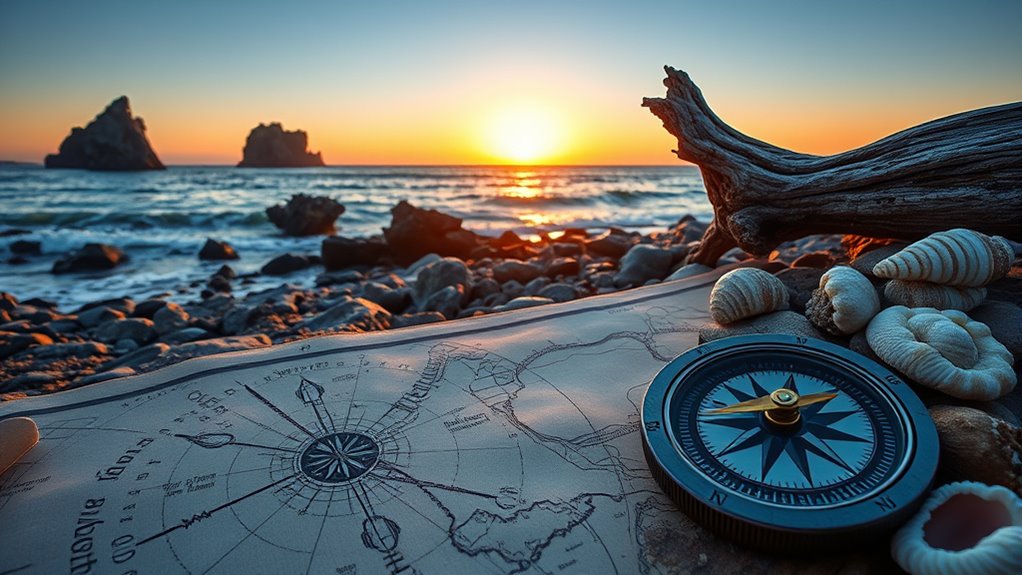
Ever wondered what terms are essential for understanding coastal expeditions? If you’re just starting out, it helps to familiarize yourself with some basic concepts that will make your adventures safer and more enjoyable. One of the most pivotal skills is marine navigation, which involves using tools and techniques to determine your position and chart your course along the coast. Whether you’re steering a boat or planning a route on land, understanding marine navigation helps you avoid hazards, reach your destination efficiently, and make the most of your time on the water. You’ll learn to read nautical charts, interpret compass bearings, and use GPS devices. Knowing how to navigate accurately is especially important in coastal areas where currents, tides, and weather conditions can change rapidly, affecting your route and safety. Familiarity with tides and currents is also crucial for planning your trip and ensuring safety during your expedition.
Alongside navigation, wildlife observation is a key part of coastal expeditions. It’s not just about spotting animals; it’s about understanding their behavior and habitats to enrich your experience. When you encounter seabirds, marine mammals, or tidepool creatures, pay attention to their movements and surroundings. Recognizing species and their patterns helps you appreciate the ecosystem‘s complexity and contributes to conservation efforts. Wildlife observation also enhances safety, since being aware of animal presence can prevent startling or disturbing them, which is both respectful and prudent. Binoculars, field guides, and a keen eye can turn a simple sighting into an educational moment. Plus, observing wildlife requires patience and quiet, making it a calming counterpoint to the more technical aspects of navigation.
Together, marine navigation and wildlife observation form the foundation of a successful coastal expedition. They work hand-in-hand: navigation keeps you on course and safe, while wildlife observation connects you with the environment. As a beginner, mastering these terms and skills will boost your confidence and deepen your appreciation for the coast’s natural beauty. Remember, marine navigation isn’t just about charts and compasses; it’s about understanding the environment and your position within it. Wildlife observation isn’t just about seeing animals; it’s about engaging with the ecosystem responsibly. By combining these skills, you’re not only ensuring a smoother journey but also fostering a greater respect for the coastal world you’re exploring. So, take your time to learn these essential terms—they’ll serve as your foundation for many memorable expeditions ahead.

Motipuns 3 Pcs Basic Navigation Set, Include 16 Inch Marine Parallel Ruler with Clear Scales Navigation Divider Marine Nautical Protractor 6 Inch Marine Fixed Points Divider for Boat
Comprehensive Navigation Kit: this basic navigation set includes 1 marine nautical protractor, 1 piece of 16 inch marine…
As an affiliate, we earn on qualifying purchases.
As an affiliate, we earn on qualifying purchases.
Frequently Asked Questions
What Safety Gear Is Essential for Coastal Expeditions?
When heading out on coastal expeditions, you need essential safety gear to stay safe. Always carry marine navigation tools like a compass and GPS to avoid getting lost. Wear a life jacket at all times, and bring wildlife safety equipment such as binoculars and a first aid kit. These items help you navigate safely and respect local wildlife, ensuring a secure and enjoyable adventure along the coast.
How Do I Choose the Right Expedition Route?
When choosing the right expedition route, you should focus on navigation planning to guarantee safety and efficiency. Look at maps, weather forecasts, and water conditions, adjusting your path accordingly. Also, research local regulations to avoid illegal areas and protect the environment. Consider your skill level and available resources, and always have a backup plan. Proper planning helps you enjoy a safe, enjoyable coastal adventure tailored to your experience.
What Weather Conditions Should I Prepare For?
When preparing for your expedition, you should consider weather conditions like wind, rain, and temperature, which can change quickly. Be ready to spot marine wildlife, so check for calm seas and clear skies. Also, review tide schedules, as they influence wildlife sightings and navigation. Packing appropriate gear for varying weather guarantees you stay comfortable and safe, making your coastal adventure enjoyable and enriching.
Are There Recommended Certifications or Training Needed?
Think of coastal expeditions like sailing through uncharted waters—you need the right skills. To prepare, you should pursue certifications in marine navigation and wildlife identification. I once met a novice who, after proper training, confidently identified seabirds and navigated tricky coastlines, turning uncertainty into adventure. These certifications guarantee you’re equipped to handle diverse conditions, keep everyone safe, and truly enjoy your journey along the coast.
How Do I Handle Emergencies During a Coastal Trip?
During a coastal trip, you handle emergencies by staying calm and quickly evaluating the situation. Use emergency signaling methods like flares or radios to call for help. Make sure you have first aid essentials on hand and know how to use them to treat injuries. Always follow safety protocols, communicate clearly with your team, and keep emergency contacts handy. Preparation and quick thinking are key to managing unexpected situations effectively.

Humaira Nautical Proportional Divider Set of 5, Full Brass dividers with Executive Wooden Box, Single Handed 8" Brass Navigational Dividers Compass Set for Maritime, Naval, Geometry and Drafting
NAUTICAL & NAVIGATIONAL DIVIDER SET | Drafting Proportional | Compass | – Ideal for measuring distances on maps…
As an affiliate, we earn on qualifying purchases.
As an affiliate, we earn on qualifying purchases.
Conclusion
Now that you’re equipped with this coastal expedition glossary, you’re ready to explore like a seasoned sailor, embracing the thrill of discovery. Remember, every journey is a new chapter, so stay curious and vigilant. Don’t forget, even in today’s tech age, a true adventurer’s spirit echoes the timeless courage of explorers past—like those brave sailors setting sail in the Age of Discovery. So go forth, and may your voyage be full of wonder and discovery!

A Field Guide to North Atlantic Wildlife: Marine Mammals, Seabirds, Fish, and Other Sea Life
As an affiliate, we earn on qualifying purchases.
As an affiliate, we earn on qualifying purchases.
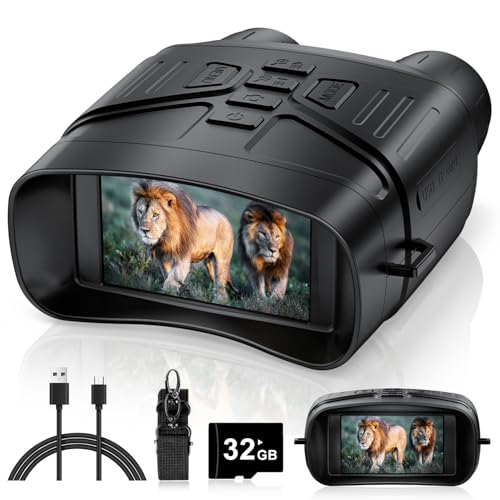
HEXEUM Night Vision Goggles, 4K Night Vision Binoculars for Adults with 5000mAh Battery, 3" HD Screen & 32GB Card for Hunting, Wildlife Observation, Security
Day & Night Vision with 4K Video Recording: Designed for low-light and pitch-dark environments, these night vision goggles…
As an affiliate, we earn on qualifying purchases.
As an affiliate, we earn on qualifying purchases.