When coasteering, make safety your top priority. Inspect your gear closely, ensuring it’s in good condition and fits properly. Familiarize yourself with emergency protocols and establish communication with your group. Be aware of tidal schedules and weather conditions, as they can impact safety. Always respect each other’s comfort levels regarding jumps and risks. By focusing on safety, you’ll enjoy coasteering while reducing risks. There’s much more to explore about ensuring a safe adventure.
Key Takeaways
- Inspect all equipment thoroughly, including wetsuits, buoyancy aids, helmets, and ropes, to ensure they are in good condition before coasteering.
- Familiarize yourself with emergency response protocols and establish a designated meeting point in case of separation during the activity.
- Maintain open communication within the group, respecting individual comfort levels regarding jumps and risks to promote a safe experience.
- Monitor environmental conditions, such as tide schedules and weather forecasts, to avoid dangerous situations while coasteering.
- Prioritize safety over thrill-seeking, preparing adequately to minimize risks during cliff jumping and scrambling activities.

When you set out on a coasteering adventure, prioritizing safety is vital to guarantee a fun and secure experience. It’s not just about the thrill of cliff jumping and scrambling over rocky terrain; it’s also about ensuring you’re prepared for any unexpected situations. One of the essential steps in this preparation is conducting a thorough equipment inspection. Before you hit the water, make sure your gear is up to par. Check your wetsuit for tears, ensure your buoyancy aid is properly fitted, and confirm that your helmet is free of cracks. If you’re using ropes or harnesses for specific jumps or climbs, inspect them for wear and tear too. Having reliable equipment can make a world of difference when you’re navigating tricky coastlines.
Prioritize safety before coasteering by thoroughly inspecting your gear for any damage and ensuring it fits correctly.
In addition to equipment checks, you should familiarize yourself with emergency response protocols. It’s crucial to know what to do in case something goes wrong. Accidents can happen, even to the most experienced coasteerers. So, take a moment to discuss emergency plans with your group before you dive in. Understand the quickest way to contact local rescue services if needed, and agree on a meeting point in case anyone gets separated. This way, everyone feels more secure, and you can focus on enjoying the adventure.
As you’re scrambling over rocks and preparing for jumps, keep communication open with your group. If someone feels uneasy about a jump, respect their feelings. Coasteering is about pushing your limits, but safety should always come first. Encourage each other, but don’t pressure anyone into taking risks they’re not comfortable with. It’s all about teamwork, and that includes looking out for one another.
Another critical aspect of coasteering safety is understanding the environment. Be aware of tide schedules and weather conditions. High tides can make some areas treacherous, while rough seas can increase the risk of injury. Always consult local guides or resources to know which paths are safe for the day. Additionally, consider how indoor air quality can impact your overall health and stamina during outdoor activities, as poor air quality can hinder physical performance.

BLUETTI AC200L Portable Power Station, 2048Wh LiFePO4 Battery Backup, Expandable to 8192Wh w/ 4 2400W AC Outlets (3600W Power Lifting), 30A RV Output, Solar Generator for Camping, Home Use, Emergency
[Upgraded Version of AC200MAX] - AC200L boasts 2400W output, 200W more than AC200MAX, and it also supports expansion...
As an affiliate, we earn on qualifying purchases.
Frequently Asked Questions
What Equipment Is Necessary for Coasteering Activities?
For coasteering activities, you’ll need essential equipment like protective gear, including a wetsuit, helmet, and buoyancy aid. These items keep you safe while traversing rocky coastlines and jumping into the water. Additionally, carrying rescue equipment, such as a throw line or a first aid kit, guarantees you’re prepared for any emergencies. Always check your gear before heading out, and make certain it’s suitable for the conditions you’ll encounter.
Can Beginners Participate in Coasteering Adventures?
Absolutely, beginners can participate in coasteering adventures! With the right risk assessment and guidance, you’ll learn essential beginner techniques to navigate safely. Instructors will teach you how to manage jumps and scrambles effectively, ensuring you feel confident in your abilities. By starting with smaller jumps and gradually challenging yourself, you’ll build your skills and enjoy the thrill of coasteering. Just remember, safety comes first, and you’ll have an incredible experience!
What Should I Wear While Coasteering?
You should wear a wetsuit to stay warm and protected from sharp rocks. Consider layering with a rash guard for added comfort. Footwear is essential, so opt for water shoes or sturdy sandals with good grip. Don’t forget to check the weather; if it’s cold, a thermal layer underneath helps. Bring a lightweight jacket for unexpected changes. Always prioritize clothing considerations to enhance your experience and guarantee you’re weather prepared for your adventure!
Are There Age Restrictions for Coasteering?
Yes, there are age restrictions for coasteering, and they vary by location. Generally, participants must be at least 8-12 years old, depending on the provider. These age limitations are in place to guarantee youth safety, as younger adventurers may not have the strength or judgment needed for the activity. Always check with your chosen coasteering operator to confirm their specific age requirements before planning your adventure. Stay safe and enjoy!
How Do I Find a Certified Coasteering Guide?
To find a certified coasteering guide, start by checking local adventure companies that meet safety standards. You’ll want to compare their certifications—some might have more experience than others. Look for reviews that highlight safety and fun; both are essential. Don’t hesitate to ask questions about their guide certification. Ultimately, the right guide will make sure you have an exhilarating and safe experience, balancing thrill with the necessary precautions. Enjoy your adventure!

Segway Portable Power Station Cube 2000, 2200W AC Outlets, 2048Wh LiFePO4 Battery, Expandable Battery Capacity up to 5kWh Solar Generator for Camping, Home Backup, Power Outages, Off-grid
High-Power Performance: The Segway Cube 2000 delivers 2200W AC power, extendable to 4400W with the R-drive function, ensuring...
As an affiliate, we earn on qualifying purchases.
Conclusion
As you gear up for your coasteering adventure, remember that safety is your top priority. With the right precautions, you can enjoy the thrill of cliff jumping and scrambling without unnecessary risks. Always check the tides, wear appropriate gear, and never go alone. So, are you ready to embrace the excitement while keeping safety at the forefront? With these tips in mind, you’ll be well-prepared for an unforgettable experience along the coast!
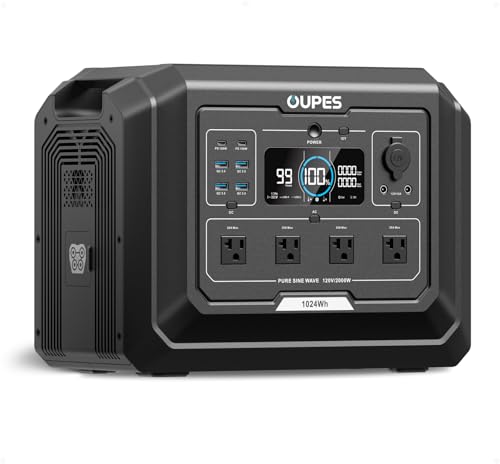
OUPES Mega 1 Portable Power Station 2000W (Surge 4500W), 1024Wh LiFePO4 Battery Solar Generator, Expandable to 5kWh, UPS, for Home Backup Power, Camping & Road Trips (Solar Panel Optional)
REVOLUTIONARY FAST-CHARGING TECHNOLOGY: Experience industry-leading recharge speeds with 0-80% capacity in just 36 minutes via AC, or an...
As an affiliate, we earn on qualifying purchases.

OUPES Guardian 6000 Portable Power Station, 4608Wh LiFePO4 Battery, 6000W Output (7200W Boost), 120V/240V Dual Voltage, Expandable to 41kWh, Home Transfer Switch Ready for Emergency Power Outages
PRO-GRADE POWER DELIVERY with 120V/240V dual voltage capability powers everything from sensitive electronics to heavy-duty tools and home...
As an affiliate, we earn on qualifying purchases.