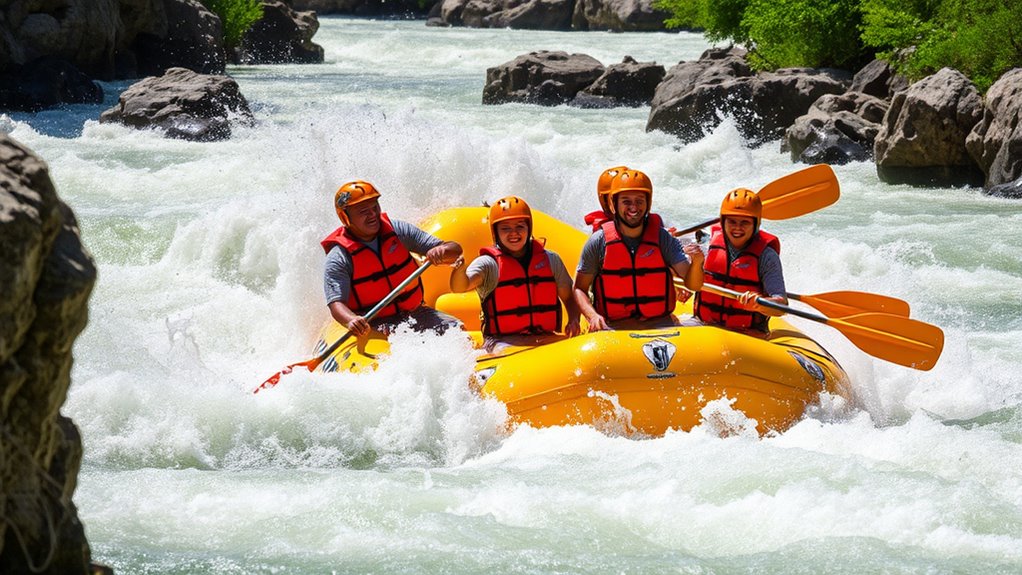

Whitewater rafting is a thrilling adventure, but safety and gear are vital. Always wear a fitted personal flotation device (PFD) and a helmet for protection. Carry essential items like a throw bag, whistle, and first aid kit. Communicate effectively with your teammates and assign roles to navigate challenges smoothly. Attend a pre-trip safety briefing to understand protocols and gear up appropriately. With the right preparation, you can guarantee an exciting yet safe experience on the river. Discover more tips to enhance your adventure!
Key Takeaways
- Always wear a properly fitted personal flotation device (PFD) and helmet for safety during rafting activities.
- Carry essential safety gear like throw bags, whistles, and first aid kits for emergency situations.
- Attend a pre-trip safety briefing to understand navigation techniques and emergency responses.
- Assign roles within your team to enhance coordination and improve navigation through challenging sections.
- Stay alert and respect the river’s power to ensure a safe and enjoyable rafting experience.

Have you ever wondered what it feels like to navigate the roaring rapids of a river? The thrill of whitewater rafting is unlike anything else, combining adrenaline with a sense of adventure. As you paddle through tumultuous waters, you experience a rush that keeps you coming back for more. However, before you dive in to this exhilarating experience, it’s essential to understand the basics of river navigation and the importance of safety equipment.
First off, getting familiar with the river you’re about to tackle is fundamental. Each river has its own unique characteristics, including varying levels of difficulty. Familiarize yourself with the river’s flow, obstacles, and potential hazards. Knowing how to read the water can make all the difference between a smooth ride and a dangerous encounter. Pay attention to the river’s classification system; this will guide you in selecting the appropriate level for your skill set. Whether you’re a beginner or an experienced rafter, understanding the water conditions will help you make informed decisions during your adventure.
When it comes to river navigation, teamwork is key. Make sure you’re aware of your fellow paddlers’ strengths and weaknesses. Communication is crucial; coordinating your efforts can keep your raft on course and help you tackle challenging rapids effectively. Assign roles before you hit the water, and practice your commands. This way, everyone knows what to expect, reducing the risk of panic when navigating through tricky sections.
Safety equipment plays a significant role in guaranteeing a secure and enjoyable outing. Always wear a properly fitted personal flotation device (PFD) and a helmet. These items are your first line of defense should you fall overboard or encounter an unexpected obstacle. Additionally, consider carrying a throw bag, which can be invaluable in rescuing someone who has fallen into the water. A whistle and a first aid kit are also essential pieces of safety gear, helping you communicate and address emergencies effectively. Utilizing safety protocols is essential for any water-based adventure.
Finally, never underestimate the power of a safety briefing. Before you set out on your journey, attend a pre-trip meeting with your group or guide. This session will cover essential techniques for river navigation, safety protocols, and how to react in various scenarios. By being well-prepared and equipped with the right knowledge and gear, you’ll not only enhance your experience but also guarantee that you and your fellow adventurers stay safe while conquering the wild rapids. So gear up, stay alert, and get ready for an unforgettable ride!

Ho Stevie! Surfboard Car Racks - Padded System, Easy Setup Any Car, ‘No Scratch’ Buckles - Strap Up to 3 Boards to Car Roof
🏄♂️ HOLDS UP TO 3 SURFBOARDS - Can be used with or without surfboard bags or surfboard socks...
As an affiliate, we earn on qualifying purchases.
Frequently Asked Questions
What Is the Best Time of Year for Whitewater Rafting?
The best season for whitewater rafting usually falls in spring and early summer, when water levels are at their peak due to snowmelt. Depending on your location, this can vary, but generally, from April to June offers thrilling rapids. If you’re looking for milder conditions, late summer might work, but water levels can drop considerably. Always check local conditions to guarantee you’re getting the best experience for your rafting adventure!
How Do I Choose a Rafting Guide or Company?
When you’re choosing a rafting guide or company, start by checking their credentials. Look for experienced guides with certifications in swift water rescue and first aid. Next, research the company’s reputation online—read reviews and ask fellow adventurers for recommendations. A reliable company will prioritize safety and provide well-maintained gear. Remember, you want a thrilling experience, not a wild goose chase down a river! Make sure you’re in good hands for your adventure.
What Fitness Level Is Required for Whitewater Rafting?
You don’t need to be a super athlete for whitewater rafting, but a decent fitness level helps. You should have some physical endurance, as paddling and steering rapids can be demanding. It’s also vital to have swimming ability in case you end up in the water. If you’re comfortable with these aspects, you’ll likely enjoy the experience more and feel safer on the river. Just remember to listen to your guide’s recommendations!
Can I Go Rafting if I Can’T Swim?
Yes, you can go rafting even if you can’t swim, but safety’s essential. You’ll need to wear a life jacket at all times, which provides buoyancy and keeps you afloat in case you fall into the water. While swimming skills can enhance your experience, many outfitters offer guided trips specifically designed for non-swimmers. Just make sure you’re comfortable and communicate your concerns with your guides—they’re trained to help you have a safe adventure!
What Should I Do if I Fall Out of the Raft?
If you fall out of the raft, stay calm—over 70% of rafting accidents involve people who panic. Use self-rescue strategies like floating on your back with your feet up to navigate obstacles. If you’re near the raft, try to swim back to it. Signal for help if you can’t reach it. Rescue techniques can vary, but always keep your head above water and look for swift currents to guide you.

ACR RESQLINK AIS Personal Locator Beacon - SOS, GPS, Return Link Service, Mobile App and Accessory Clips (Model PLB-450) - Alert Local AIS & Global Satellite Emergency Signaling for Search & Rescue
AIS (Automatic Identification System) sends a distress alert on VHF frequencies, received by vessels with AIS receivers or...
As an affiliate, we earn on qualifying purchases.
Conclusion
In the thrilling world of whitewater rafting, staying safe and gear-savvy is key to enjoying nature’s wild ride. Remember, a little preparation goes a long way in turning potential “oops” moments into cherished memories. So, gear up, trust your instincts, and embrace the adventure ahead. With the right mindset and equipment, you’ll find that the rapids aren’t just challenges; they’re delightful dances with the river. Now, get out there and let the water’s excitement sweep you away!

ACR ResQLink View RLS - SOS Personal Locator Beacon - Digital Display, Return Link Service, GPS Global Coverage to Alert Search and Rescue - Outdoor Emergency, Ideal for Hiking Hunting Boating Fishing
RLS (Return Link Service) confirms that Search and Rescue has received the emergency distress signal, alerting the beacon...
As an affiliate, we earn on qualifying purchases.
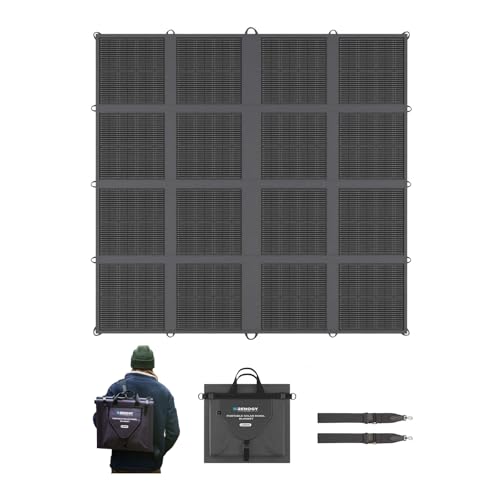
Renogy 400W Portable Solar Panel Blanket, 25% High Efficiency N-Type Foldable Solar Panel Charger for Power Station,Lightweight 16-Fold Space Save, Fast Setup for Camping, RV, Pickup, Marine Off-Grid
[Ultra-Lightweight with 16-Fold Design] Weighing only 16.09 lbs, Renogy solar blanket is the lightest in its class (62%...
As an affiliate, we earn on qualifying purchases.