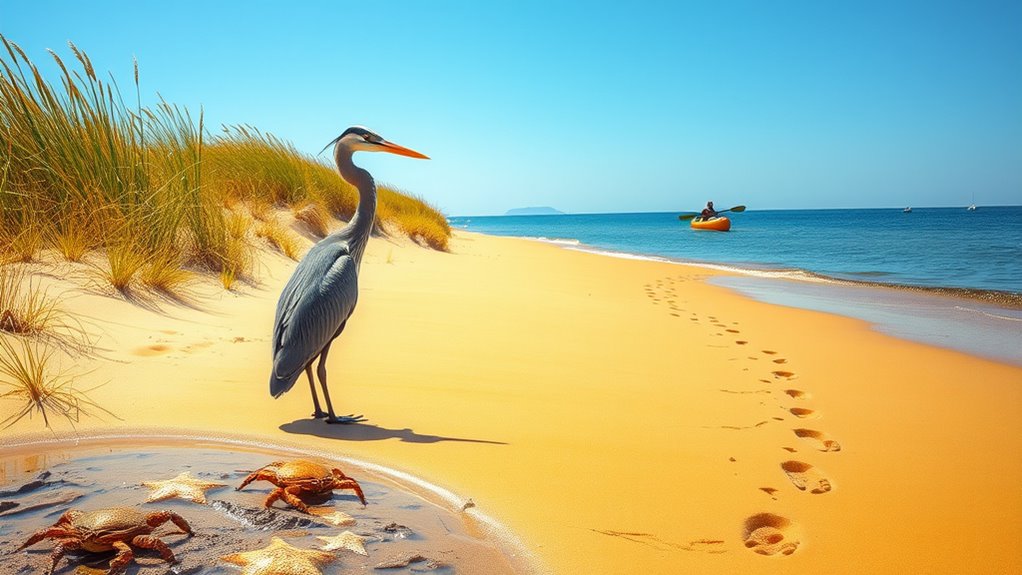

When enjoying coastal wildlife, keep a safe distance from animals to avoid disturbing their natural behavior. Use binoculars for observation and zoom lenses for photography instead of approaching them. Avoid feeding wildlife, as human food can harm them and disrupt their natural foraging. Stay on designated paths to protect their habitats and always dispose of trash properly to preserve the environment. Respectful encounters ensure a positive experience for both you and the wildlife, leading to deeper understanding and appreciation.
Key Takeaways
- Maintain a safe distance from wildlife to avoid disturbing their natural behaviors and habitats.
- Avoid feeding animals to prevent dependency and protect their health.
- Stay on designated paths to safeguard fragile habitats and minimize ecological disruption.
- Practice quiet observation to witness wildlife behaviors without causing stress or disturbance.
- Dispose of trash responsibly and consider cleaning up litter to protect coastal ecosystems.

When you explore coastal areas, it’s essential to remember that you’re sharing the environment with diverse wildlife. From seabirds soaring above to crabs scuttling along the sand, each species plays a crucial role in the ecosystem. Practicing good wildlife etiquette not only protects these animals but also enhances your experience in nature. One way to engage respectfully with coastal wildlife is to follow photography guidelines. If you plan to capture the beauty of the surroundings, think about the impact your presence may have on local animals. Keep a safe distance to avoid disturbing their natural behavior, and use a zoom lens if you want close-up shots. Flash photography can startle creatures, so it’s best to avoid it. Remember, the goal is to appreciate wildlife without intruding.
Feeding restrictions are another essential aspect of coastal wildlife etiquette. While it might seem harmless to toss bread to seagulls or share your snacks with curious raccoons, doing so can have detrimental effects. These animals often become reliant on human food, which disrupts their natural foraging behavior. Additionally, certain foods can be harmful or even toxic to them. By respecting feeding restrictions, you help maintain the delicate balance of the ecosystem. Instead of feeding wildlife, consider observing their natural feeding habits. Bring along binoculars to get a closer look and enjoy the experience without interfering.
When you walk along the beach, stick to designated paths to minimize disturbance to fragile habitats. Coastal dunes and marshlands are home to nesting birds and other wildlife that rely on these areas for survival. By staying on paths, you protect these habitats from trampling and ensure that wildlife can thrive. If you encounter an animal, whether it’s a resting seal or a nesting bird, keep your distance and observe quietly. Your patience allows you to witness their natural behaviors without causing stress.
Finally, always clean up after yourself. Litter can be harmful to wildlife, so make sure to dispose of your trash properly. If you see waste left by others, consider picking it up as a way to contribute positively to the environment. By following these guidelines, you not only enhance your own experience but also show respect for the wildlife that calls coastal areas home. Using proper etiquette helps preserve the delicate balance of coastal ecosystems. Remember, every small action contributes to preserving the beauty and diversity of these unique ecosystems. Your efforts today can lead to healthier habitats for generations to come.
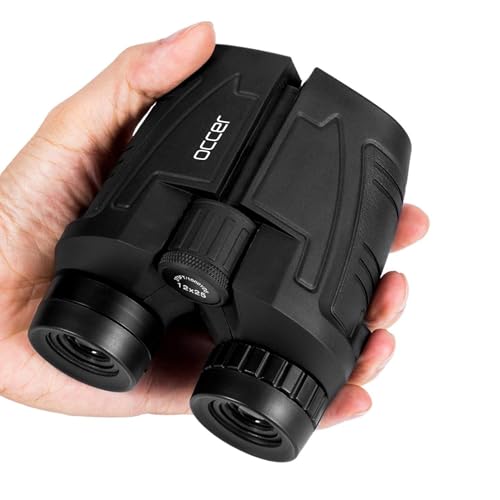
Occer 12×25 Compact Binoculars for Adults and Kids, Large Eyepiece Waterproof Binocular with Low Light Vision,High Powered Easy Focus Binoculars for Bird Watching,Outdoor Hunting,Travel,Sightseeing
【HIGH-POWERED LARGE EYEPIECE BINOCULARS】 This binoculars for adults has 12x magnification, 25mm objective lens and wide field of…
As an affiliate, we earn on qualifying purchases.
As an affiliate, we earn on qualifying purchases.
Frequently Asked Questions
Can I Feed Coastal Wildlife Without Harming Them?
You shouldn’t feed coastal wildlife, as it can harm them. Animals rely on their natural diets, and feeding them can disrupt their foraging habits. Following feeding guidelines is essential; human food often doesn’t meet their nutritional needs and can lead to health issues. Instead, observe them from a distance and appreciate their natural behaviors. This way, you can enjoy wildlife while ensuring their well-being and preserving their natural habitat.
What Should I Do if I Encounter an Injured Animal?
If you encounter an injured animal, your first step is to assess the situation calmly. Avoid handling the animal unless absolutely necessary. Instead, call a local wildlife rescue or emergency contact for guidance. They can provide specific instructions on what to do next. If safe, keep your distance, and don’t leave the animal unattended. You can also note the animal’s condition and location to share with the rescue team. Wildlife first aid can save lives!
Are There Specific Seasons for Wildlife Nesting Protection?
Yes, there are specific seasons for wildlife nesting protection. During spring and early summer, many birds build nests and raise their young. You’ll notice them gathering materials and guarding their territories. To guarantee bird protection, stay clear of nesting areas and avoid disturbing them. If you spot a nest, remember that your presence can stress the parents and jeopardize the chicks. Enjoy observing from a distance, and keep these seasonal nesting periods in mind.
How Can I Report Illegal Wildlife Activities at the Coast?
To report illegal wildlife activities at the coast, you can start by contacting local wildlife authorities or law enforcement. They often have wildlife surveillance divisions that handle such reports. If you see something suspicious, document it with photos or notes, then call or submit an online report detailing the illegal activity. Your prompt action can help protect the coast’s wildlife and habitats. Don’t hesitate—your report could make a significant difference!
What Are the Best Practices for Photography Around Coastal Wildlife?
Imagine a painter capturing the essence of a fleeting moment; that’s you with wildlife photography. To guarantee ethical shooting, keep your distance and use a zoom lens, allowing animals their space. Avoid flash to prevent startling them, and never disturb their habitats. Patience is key—wait for the right moment, and let nature reveal its beauty. Respecting these guidelines ensures your art reflects the harmony between your lens and the vibrant life around you.

High-Power 420-1600mm f/8.3 HD Manual Telephoto Zoom Lens for Canon EOS 70D, 80D, 90D, Rebel T3, T3i, T5, T5i, T6i, T6s, T7, T7I, T8I, SL3, EOS 5D, EOS5D IV, 6D II, 7D II SLR Cameras
High Power Telephoto Lens – This 420mm-1600mm lens, a must-have Canon long range lens, is designed for capturing…
As an affiliate, we earn on qualifying purchases.
As an affiliate, we earn on qualifying purchases.
Conclusion
By following coastal wildlife etiquette, you help preserve the delicate balance of these ecosystems. For example, imagine you’re walking along the beach and spot a nesting sea turtle. By keeping your distance and not disturbing her, you guarantee she can lay her eggs safely. Your small actions can make a big difference in protecting these incredible animals and their habitats. So, next time you’re by the shore, remember: respect the wildlife, and they’ll continue to thrive.

DURASACK Heavy Duty Home and Yard Bags 48-Gallon Reusable Self-Standing Lawn and Leaf Bags Garbage Can with Reinforced Handles, Green
PROVEN QUALITY: Family-owned-and-operated, DURASACK has been a leader in the bag and packaging industry since 1876. Customers have…
As an affiliate, we earn on qualifying purchases.
As an affiliate, we earn on qualifying purchases.

Galapagos Wildlife (Nature Observation International)
Used Book in Good Condition
As an affiliate, we earn on qualifying purchases.
As an affiliate, we earn on qualifying purchases.