TL;DR
For Thanksgiving, start with an instant-read thermometer, a sharp knife, a stable cutting board, a roasting pan that fits your oven, timers, oven mitts, and shallow containers for leftovers. Plan tools around your menu and appliance space, then borrow occasional-use gadgets instead of buying them by default.
Thanksgiving can turn a calm kitchen into a juggling act: the turkey needs checking, potatoes are bubbling, and someone is asking where the serving spoon went. The right tools won’t cook dinner for you, but they can make each decision clearer and each hot pan easier to handle.

Get sports gear delivered free with Prime
- Fast, free delivery on millions of items
- Prime Video, Amazon Music and more included
- Member-only deals all year
This guide helps you choose practical Thanksgiving hosting kitchen tools based on the meal you’re making. You’ll learn what matters most for safe cooking, how to plan around a crowded oven, and which specialty gadgets you can borrow instead of storing all year.
Think of your kitchen gear as a small crew. A thermometer calls the turkey done, a timer keeps side dishes on track, and sturdy containers help the leftovers find their way into the fridge. When several dishes need attention at once, dependable basics beat a drawer full of gadgets.
Use a thermometer to verify turkey reaches 165°F (74°C); check multiple spots and avoid bone.
Measure your oven and match the roasting pan to both the bird and the space you have.
Steady a cutting board with a damp towel and arrange ingredients in prep bowls before cooking.
Use labeled timers and a written schedule to spot oven and stovetop conflicts early.
Refrigerate perishable leftovers within two hours in shallow containers, and borrow occasional-use gadgets when practical.
Start With the Tools That Solve Real Thanksgiving Problems
The most useful Thanksgiving hosting kitchen tools answer a practical need: checking doneness, making prep safer, managing crowded cooking space, or storing food promptly. Start with an instant-read thermometer, a sharp knife, a stable cutting board, a suitable roasting vessel, timers, oven mitts, serving utensils, and food-storage containers. Your menu determines the rest.
These basics matter because each reduces a different kind of uncertainty. The thermometer replaces a visual guess with a temperature reading; a stable board and sharp knife make prep more controlled; a correctly sized roasting pan reduces the chance of awkward, unsafe lifting. Timers and containers address problems that appear later, when several dishes compete for attention or leftovers need cooling. A tool is most valuable when it prevents a predictable bottleneck, not simply because it promises to make cooking faster.
Before you buy anything, write down every dish and where it will cook: oven, stovetop, counter, or refrigerator. Include each dish’s temperature, cook time, vessel, and serving needs. A host making a small turkey breast may not need a large roasting pan, while a buffet-style meal may need extra serving spoons and a plan for keeping hot food at a safe temperature. Also check whether the oven can fit the cookware while still allowing room for heat to circulate.
That list is your filter. If a tool solves a problem your menu actually creates, it may earn its place. If it only looks festive on a product page, wait. Borrowing a rarely used electric carving knife or oversized pan can keep a single holiday meal from filling your cupboards year-round. The tradeoff is convenience on the day versus storage, cost, and the effort of arranging a loan; for a one-time need, a borrowed item is often the easier choice.
Products Worth Considering

GoPro HERO12 Black Waterproof Action Camera with 5.3K60 Video and 27MP Photos

Coleman Classic Series Insulated Portable Wheeled Cooler (100qt, Desert Sand)
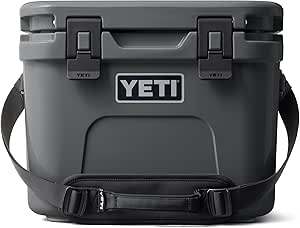
YETI Roadie 15 Hard Cooler
As an affiliate, we earn on qualifying purchases.
Use a Thermometer to Know When Turkey Is Done
A thermometer is the dependable way to check whether turkey has cooked safely; its color and roasting time alone can’t confirm doneness. USDA guidance says poultry should reach 165°F (74°C). Check the thickest parts of the breast and the innermost parts of the thigh and wing, and keep the thermometer away from bone.
That single reading can change how the rest of your cooking day feels. If you usually judge by golden skin, you may be tempted to pull the bird when it looks ready. A thermometer gives you a direct check, so you can decide whether the turkey needs more time or can rest while you finish the gravy.
An instant-read thermometer is versatile: check several spots near the end of cooking, then use it for other foods. A leave-in probe can monitor a roast with the oven door closed, but it complements rather than replaces checks in multiple spots with an instant-read model.
For example, if the breast reaches temperature before the thigh, check the thigh separately rather than assuming the whole bird is ready. Choose a clear display, an appropriate temperature range, and a probe that’s easy to clean. App alerts can be handy, but a readable temperature and reliable measurement matter more than a phone connection.
Choose a Roasting Pan You Can Lift Safely
A good roasting pan fits your oven, holds the bird securely, and remains stable when loaded. A rack elevates the turkey so heat can circulate around it, while a sturdy rimmed sheet pan may suit a smaller bird if it can safely carry the weight. Check both pan and oven dimensions before buying.
The detail that’s easy to overlook is the walk from oven to counter. A pan may look ample on a store shelf, then sit awkwardly against the oven walls—or feel alarmingly flexible once full of a heavy bird and hot juices. If you’re considering a disposable foil pan, set it on a rigid baking sheet for support before filling it.
No roasting rack? In many recipes, sturdy vegetables can provide a base for the bird. Follow the cooking method you’ve chosen, and make sure the pan remains stable. On a busy afternoon, a dependable pan you can grip with oven mitts beats an elaborate setup that wobbles when you turn toward the counter.
Specialty options such as countertop roasters can free oven space, but they take up storage and require a safe outlet and suitable counter space. A host with a small oven might find one useful; someone who makes turkey once a year may prefer to borrow it. Measure first, then choose for the meal and kitchen you have.
Build a Prep Station That Keeps Knives and Ingredients Under Control
A sharp knife, a stable cutting board, and a few prep bowls make Thanksgiving food preparation more controlled and organized. Put a damp towel under the board to help stop it sliding, and group chopped ingredients in bowls before the stove gets busy. You don’t need a separate gadget for every vegetable.
Picture a cook mincing parsley beside a wet sink while a cutting board shifts with every slice. That small wobble can make a routine task feel harder. A damp towel under the board gives it grip; a sharp chef’s knife lets you slice with controlled pressure. Beginners can ask a professional to show them safe knife technique or learn from a trusted cooking instructor.
Use nesting bowls to keep chopped onions, measured spices, and rinsed greens separate. A digital kitchen scale and measuring tools help you follow recipes consistently, especially when a dish depends on precise amounts. For example, weighing flour for pie crust can help you avoid a dry, crumbly dough when you’re already balancing other prep.
Lay out the tools for each recipe before you start. If you’re making stuffing, set out the knife, board, bowls, and measuring cups together. You’ll spend less time opening drawers with floury hands, and your counter will tell you what comes next. Keep knives sharp and handle them with care; if you’re new to knife work, take it slowly and get coaching before trying speed techniques.
Make Timers and a Simple Schedule Work Together
Timers and a short cooking schedule help you track dishes competing for oven and stovetop space. An oven thermometer can show whether your oven runs hotter or cooler than the setting on its dial. Together, these simple tools replace guesswork with cues you can act on.
Start by listing each dish, its cook time, temperature, and appliance. Then work backward from serving time and note which foods can be prepared ahead. For instance, if the turkey needs the oven for several hours and a casserole cooks at a different temperature, your schedule can show whether the casserole should go in before the bird or after it rests.
- Write down the serving time and the cooking time for every dish.
- Mark appliance conflicts such as two dishes needing the oven at different temperatures.
- Set labeled timers for separate jobs, such as “carrots” and “stuffing.”
- Check your oven temperature with an oven thermometer if results often run early or late.
On Thanksgiving afternoon, the turkey can be resting while the oven finishes a side dish. A schedule gives you room to use that window instead of discovering the conflict when guests are already at the door. Keep it visible on the counter, where the whole cooking crew can check it.
Set Up Serving and Leftovers Before Guests Arrive
Heat-safe oven mitts, sturdy trivets, serving utensils, and shallow food-storage containers help you move from cooking to serving without rushing. Set them out before dishes come off the heat, then refrigerate perishable leftovers within two hours; refrigerate sooner when conditions are very warm.
That last stretch can get lively. A hot roasting pan needs a safe landing spot, vegetables need a serving spoon, and guests may be ready to eat before you’ve found the carving fork. Setting a trivet and utensils on the counter ahead of time turns the handoff into a calm sequence rather than a scramble around hot cookware.
For carving, a sharp chef’s or carving knife, a stable board with a juice groove, and a carving fork or tongs are usually enough. Move the turkey to a secure surface before carving; don’t try to steady a hot bird on a plate balanced at the edge of a crowded counter.
When the meal ends, divide leftovers into shallow containers so they cool quickly, then refrigerate promptly. A cooler with ice can help keep food cold if fridge space is tight. For example, label containers with the dish and date before guests take them home. Follow current food-safety advice on storage duration and reheating, and keep hot foods hot instead of leaving them out for an extended stretch.
Buy the Basics and Borrow the Once-a-Year Gadgets
Buy tools you’ll use often, and consider borrowing or renting large, single-purpose items that your kitchen rarely needs. A thermometer, knife, stable board, timers, and stackable storage containers can serve you throughout the year. An oversized roasting pan or electric carving knife may be easier to borrow for one holiday.
Ask yourself what problem the gadget solves and whether you can solve it with what you already own. A rimmed baking sheet can support a smaller roast; covered insulated carriers may keep a side dish warm without taking another appliance outlet. If a dish needs oven time, a cooking schedule may help more than a countertop warmer. Each substitute has limits: a baking sheet must be sturdy enough for the load, and an insulated carrier holds heat only when used as directed.
Newer tools include wireless temperature probes, compact appliances, and reusable storage systems. Connectivity can make monitoring more convenient, but a setup that needs troubleshooting on the busiest day can add friction. A clear display, accurate reading, easy cleaning, and storage that fits your cabinet are more useful buying checks. For a probe, consider whether its range and connection work reliably in your kitchen; for a countertop appliance, account for both the space it frees and the counter space and outlet it occupies.
For example, if you’re hosting for the first time and don’t know whether a roasting pan fits your oven, ask a relative to lend theirs and measure it before buying. Read manufacturer care instructions and check that cookware is suitable for its intended heat and food contact. Durable, easy-to-clean tools are more likely to earn their shelf space after the holiday ends. The practical test is whether repeated use and reduced holiday stress justify the purchase and storage it requires.
Frequently Asked Questions
What kitchen tools do I actually need to host Thanksgiving?
Start with an instant-read thermometer, a sharp knife, a stable cutting board, a roasting vessel suited to your menu, timers, oven mitts, serving utensils, and food-storage containers. Add tools based on your dishes and the space in your kitchen.
Do I need both an instant-read and a leave-in thermometer?
No. An instant-read thermometer is versatile and often enough for checking doneness. A leave-in probe adds convenience when you want to monitor a roast while the oven door stays closed.
Can I roast a turkey without a roasting rack?
Often, yes. Some cooks use sturdy vegetables as a base, but follow a trusted recipe for your method and keep the pan stable. A rack helps elevate the bird and allows heat to circulate around it.
How do I keep side dishes warm when the oven is full?
Coordinate cooking times, serve dishes in batches, or use covered insulated carriers or an appropriate warming tray. Keep hot foods at a safe temperature rather than leaving them out for an extended period.
How should I store Thanksgiving leftovers?
Divide leftovers into shallow containers so they cool quickly and refrigerate perishable food within two hours, sooner if the room is very warm. Check current food-safety guidance for storage duration and reheating advice.
Which Thanksgiving tools are worth buying versus borrowing?
Buy the basics you’ll use throughout the year, such as a thermometer, knife, and storage containers. Consider borrowing or renting occasional-use items like an oversized roasting pan or electric carving knife.
Conclusion
Choose Thanksgiving tools by the problems they solve: temperature, stability, timing, serving, and storage. Start with a thermometer, a safe prep setup, a roasting vessel that fits, and containers ready for leftovers.
Then write your cooking schedule and set out the mitts and serving spoons before the kitchen fills with steam and conversation. A little planning can make the busiest counter feel like a place to cook, share, and enjoy the meal.