When troubleshooting Flyboard hose and jet issues, start by checking hose connections for tightness and damage before use. If performance dips, pause and verify attachments. Inspect jet nozzles for clogs caused by debris; clean them thoroughly after each session. Regular maintenance, like flushing hoses and checking for leaks, is vital for peak performance. By staying proactive, you can minimize unexpected problems and enhance your Flyboarding experience. You’ll find even more helpful tips to keep flying smoothly ahead.
Key Takeaways
- Check hose connections for tightness and damage before each session to prevent water pressure issues.
- If you experience fluctuating water pressure, pause and inspect hose attachments for secure connections.
- Inspect jet nozzles for debris after landing, as clogs can significantly reduce thrust and performance.
- Regularly clean jet nozzles and flush hoses with fresh water to prevent buildup and ensure smooth operation.
- Conduct routine inspections for cracks or leaks in hoses and replace damaged ones promptly to maintain optimal performance.

When you’re out on the water with your Flyboard, the last thing you want is a hose or jet issue interrupting your fun. These problems can quickly turn an exhilarating experience into a frustrating one. Fortunately, by understanding common issues and how to troubleshoot them, you can minimize downtime and get back to soaring over the water.
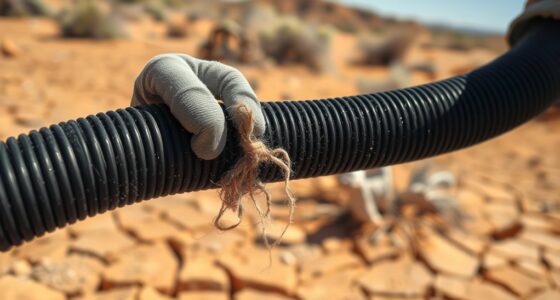
First, let’s talk about the hose connection. A loose or damaged hose connection can lead to inconsistent water pressure, which affects your lift and control. Before you hit the water, take a moment to inspect the hose connections. Make sure they’re securely attached and free from any visible damage. If you notice any cracks or tears, it’s best to replace the hose before you start your session. This simple check can save you from a lot of trouble later on.
Inspect your hose connections before hitting the water to avoid lift issues and ensure a smooth Flyboarding experience.
If you’re already on the water and notice a drop in performance, check the hose connection immediately. Sometimes, water pressure fluctuations can indicate that the hose isn’t connected properly. You might need to pause your session to tighten the connection or to reattach it completely. It’s a hassle, but guaranteeing the connection is secure can often restore your Flyboard’s performance.
Another common issue is jet clogging. Debris and dirt can easily get into the jet nozzle, causing a loss of thrust or erratic movements. If you feel like your Flyboard isn’t responding as it should, the first step is to check for any clogs. After safely landing back on the watercraft, inspect the jet nozzle. Use a small tool or your fingers to clear any debris that may be lodged inside. Rinsing the nozzle with fresh water can also help clear out any dirt that’s accumulated.
Preventing jet clogging is essential too. Make it a habit to clean your jet nozzle after every use. This will guarantee that you don’t encounter performance issues during your next session. Additionally, regularly flushing out the hose with fresh water can help prevent buildup that leads to clogs. Understanding the importance of preventive maintenance can greatly enhance your Flyboarding experience.
Ultimately, keeping an eye on your hose connection and addressing jet clogging can make a significant difference in your Flyboarding experience. By taking these preventive measures, you’ll spend less time troubleshooting and more time enjoying the thrill of flying above the waves. So, before you gear up, remember to check these vital components and enjoy your time on the water!
Frequently Asked Questions
How Can I Improve My Flyboard Performance?
To improve your flyboard performance, focus on hydrodynamic principles and water pressure management. Adjust your body position to streamline yourself, reducing drag. Experiment with your stance to find the ideal balance for lift. Make certain your hose is free from kinks, which can hinder water flow. Regularly check your equipment for wear and tear, as maintaining peak performance is essential. Finally, practice in different water conditions to enhance your control and agility.
What Maintenance Is Required for a Flyboard?
To keep your flyboard in top shape, regular maintenance is essential. Start with a thorough hose inspection—look for any signs of wear or damage that could affect performance. Then, don’t forget to clean the jet regularly; a clogged jet can lead to disappointing rides. If you neglect these tasks, you might find yourself grounded when you least expect it. Stay proactive, and your flyboard will reward you with thrilling experiences!
Can I Use a Flyboard in Saltwater?
Yes, you can use a flyboard in saltwater, but you need to be cautious about saltwater corrosion. It can damage your equipment over time if you don’t take care of it. Consider using hose material options specifically designed to resist saltwater damage. After each session, rinse your flyboard thoroughly with freshwater to minimize corrosion risks and extend its lifespan. Regular maintenance will keep your equipment in top shape for those thrilling rides.
How Do I Choose the Right Flyboard Size?
Choosing the right flyboard size is like picking the perfect surfboard; it’s all about your weight and skill level. For flyboard sizing, check the manufacturer’s guidelines—generally, lighter riders need smaller boards, while heavier ones should opt for larger models. Guarantee your equipment compatibility too; not all boards fit every jet ski. By matching your size and abilities, you’ll enjoy a more thrilling and controlled ride, just like catching the perfect wave.
What Safety Gear Should I Wear While Flyboarding?
When you go flyboarding, always wear protective gloves to shield your hands from potential injuries. A waterproof helmet is essential for protecting your head from impacts and ensuring your safety while you’re soaring above the water. Additionally, consider wearing a life jacket for buoyancy and extra protection. By equipping yourself with the right safety gear, you’ll have a more enjoyable and secure experience as you navigate the thrills of flyboarding.
Conclusion
In the world of flyboarding, minor hiccups with hoses and jets can feel like pesky clouds on a sunny day. But don’t let these fleeting moments dampen your spirit! By staying attentive and following our troubleshooting tips, you’ll glide smoothly back into the skies in no time. Embrace the adventure, and remember, every challenge is just a stepping stone to mastering your flyboarding experience. So gear up and get ready to soar!