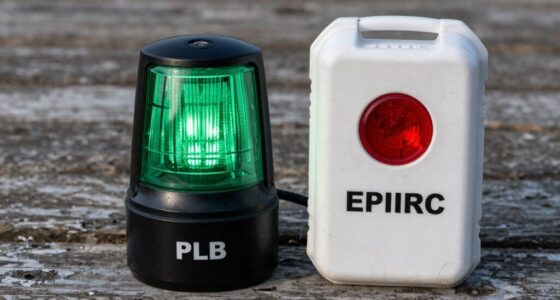
When it comes to sailing safety, life jackets are a must for everyone aboard, regardless of skill level. Regular man overboard drills prepare your crew for emergencies and enhance response times. Don’t forget to carry signaling devices like flares and whistles to alert rescuers if things go wrong. Staying informed about weather conditions is also vital. Taking these precautions ensures a safer and more enjoyable sailing experience. There’s much more you can do to stay prepared on the water.

Get sports gear delivered free with Prime
- Fast, free delivery on millions of items
- Prime Video, Amazon Music and more included
- Member-only deals all year
Key Takeaways
- Always wear properly fitted life jackets to ensure safety for all crew members, regardless of sailing skill level.
- Conduct regular man overboard drills to improve crew reaction times and clarify roles during emergencies.
- Equip your vessel with emergency signaling devices, like flares and whistles, to attract help when needed.
- Stay informed about weather conditions using apps or radios to avoid dangerous sailing situations.
- Regularly review and maintain safety gear to ensure readiness for unexpected incidents while sailing.

Have you ever considered how essential safety is while sailing? It’s not just about enjoying the wind in your hair and the sun on your face; it’s also about being prepared for the unexpected. When you set sail, you need to have a plan in place for emergencies. One critical aspect of sailing safety involves emergency signaling. You never know when you might encounter trouble, from equipment failure to sudden weather changes. Having the right signaling devices on board, like flares or whistles, can make a significant difference in getting help quickly.
Weather preparedness is another fundamental factor that can’t be overlooked. Before you head out, always check the forecast and be aware of the conditions you may face. Wind speeds can change rapidly, and storms can develop with little warning. By understanding the weather patterns in your sailing area, you can avoid dangerous situations before they arise. Carrying a reliable weather radio or using a smartphone app to receive updates while on the water will keep you informed and ready for any changes.
Life jackets are indispensable when it comes to sailing safety. No matter how skilled a sailor you are, accidents can happen. You should always wear a life jacket while sailing, especially in rough conditions. Ensure that every person on board has a properly fitting life jacket. This simple step can save lives and give you peace of mind while you navigate the waters. Additionally, understanding the importance of life jacket safety can further enhance your preparedness on the water.
Practicing man overboard drills is just as important. These drills prepare you and your crew for the worst-case scenario. Regularly practicing how to react if someone falls overboard can help you respond more effectively in a real emergency. Knowing who’s responsible for what and how to retrieve a person from the water can save valuable time when every second counts.
Incorporating these safety measures into your sailing routine ensures that you’re ready for whatever the sea throws your way. You can enjoy your time on the water with confidence, knowing you’ve taken the necessary precautions. So, next time you plan a sailing trip, take a moment to review your emergency signaling equipment, check the weather, and make sure everyone’s wearing a life jacket. You’ll feel more secure and ready to embrace the adventure that awaits you.
As an affiliate, we earn on qualifying purchases.
Frequently Asked Questions
How Often Should Life Jackets Be Inspected for Safety?
You should inspect life jackets at least once a year for safety. Make it part of your maintenance checklist to check for any signs of wear, such as rips, tears, or fading. Don’t forget to confirm that all straps and buckles function properly. If you use them frequently, consider checking them more often, especially before and after major sailing trips. Regular inspections ensure your life jackets will perform when you need them most.
What Type of Flares Are Required on Different Vessels?
You need to know the types of flares required for your vessel to guarantee your safety. For marine signaling, boats typically need a combination of hand-held flares, aerial flares, and smoke signals. Hand-held flares are great for short-range visibility, aerial flares can be seen from further away, and smoke signals are perfect for daytime emergencies. Whether you’re sailing a small boat or a larger yacht, having the right flare types can make all the difference.
Can Children Wear Adult-Sized Life Jackets?
No, children shouldn’t wear adult-sized life jackets. For child safety, it’s essential that life jackets fit properly. Adult jackets are often too large and may not provide adequate buoyancy or security for a child in the water. Instead, always choose a life jacket specifically designed for children, ensuring it meets safety standards and fits snugly. This way, you can help keep your child safe while enjoying time on the water.
What Should I Do if My Flare Fails to Ignite?
If your flare fails to ignite, stay calm and assess the situation. Check for moisture or damage, and verify you’re holding it correctly. If it’s still unresponsive, signal using alternative methods like a whistle or mirror. Remember to alert nearby vessels and prepare for emergency signaling. In flare troubleshooting, always have a backup plan and practice using your safety equipment regularly, so you’re ready when it matters most.
How Can I Practice Man Overboard Drills Effectively?
To practice man overboard drills effectively, start by assigning roles to your crew members. Set a specific drill timing, ensuring everyone knows when to act. Use realistic scenarios and incorporate various rescue techniques, like throwing a life ring or maneuvering the boat to retrieve the person in the water. Repetition is key, so conduct these drills regularly, allowing everyone to build confidence and familiarity with the procedures. You’ll be better prepared for emergencies!
Conclusion
In the grand adventure of sailing, remember that safety isn’t just a rule; it’s your compass. Just like Odysseus relied on cunning to navigate treacherous waters, you too must stay prepared with life jackets, man overboard drills, and flares. These aren’t just gear; they’re your lifeline when the unexpected strikes. So, as you chart your course, keep safety close at hand, ensuring every voyage is not only thrilling but also secure. Happy sailing!
NFL season / tailgating Picks
team gear
As an affiliate, we earn on qualifying purchases.