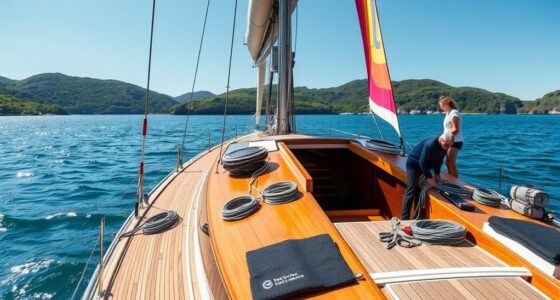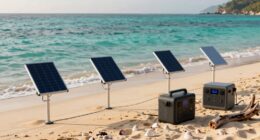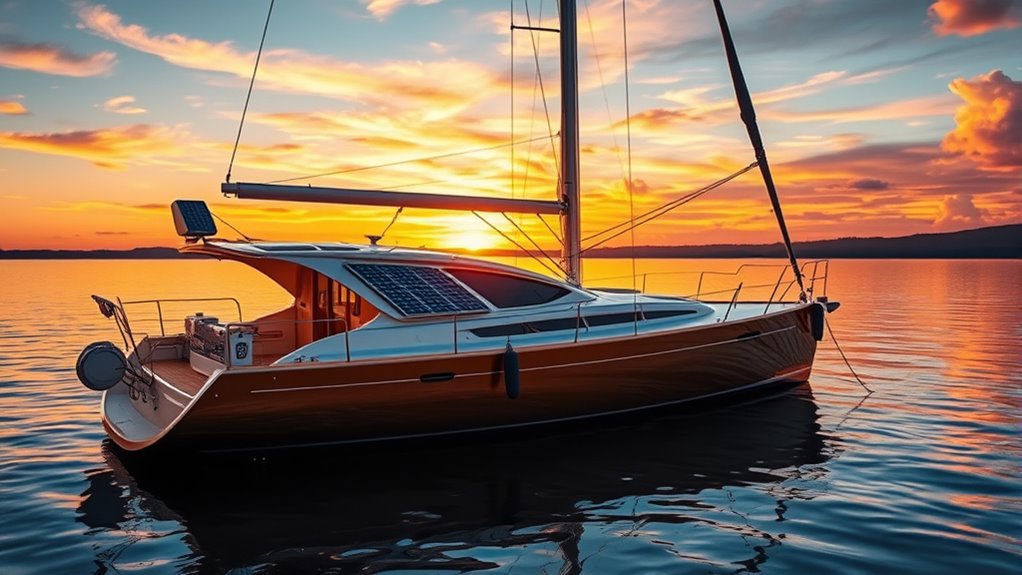

Upgrading your small keelboat with solar power enhances energy independence and reduces reliance on engine or shore power. Choosing efficient monocrystalline panels and properly mounting them at ideal angles guarantees maximum sunlight capture while minimizing shading issues. Incorporating a quality charge controller and marine-grade wiring boosts system reliability and battery lifespan. Flexible or foldable panels can fit limited spaces, and thoughtful installation improves performance. Keep exploring to discover how these upgrades can transform your sailing experience.
Key Takeaways
- Select high-efficiency monocrystalline solar panels and optimize their placement for maximum sun exposure.
- Upgrade to advanced batteries and use a charge controller to improve energy storage and system reliability.
- Properly mount panels to withstand water motion and weather, ensuring secure positioning and optimal tilt angles.
- Use marine-grade wiring and organize connections to prevent corrosion and ensure reliable power flow.
- Consider flexible or foldable panels for limited space, and evaluate shading impacts to maximize solar energy capture.
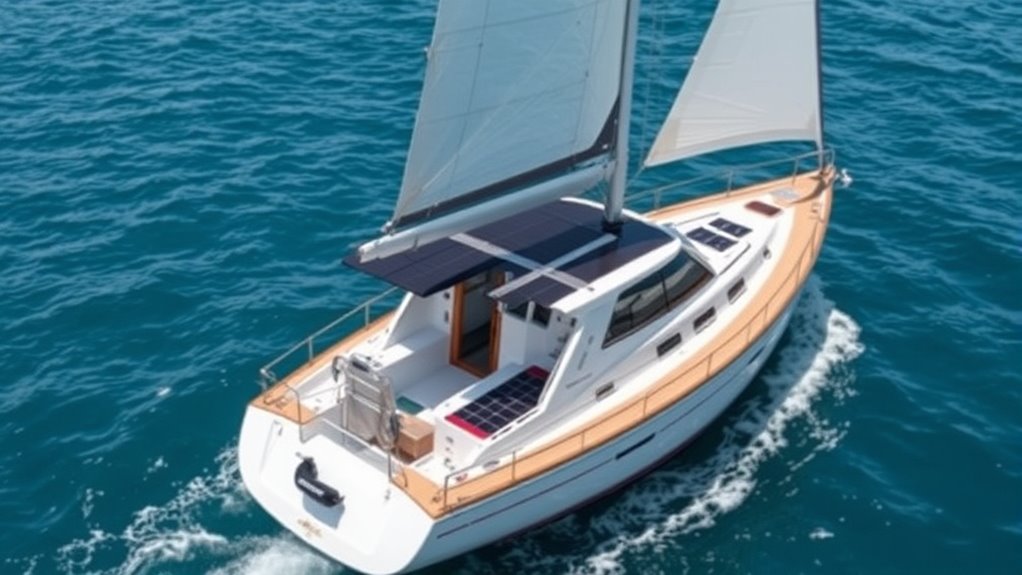
If you’re looking to enhance your small keelboat’s energy independence, upgrading to solar power is a smart move. Solar energy can markedly reduce your reliance on engine-generated power or shore supplies, giving you more freedom on the water. One of the key factors to think about is improving your battery efficiency, which guarantees your stored solar energy is used effectively and lasts longer. Better battery efficiency means fewer cycles to recharge and less energy wasted, so investing in high-quality batteries or advanced management systems can make a big difference. When upgrading, focus on panel installation as well; positioning your solar panels ideally is vital to maximize sunlight exposure. You want your panels to catch the sun’s rays throughout the day, which might mean mounting them at a specific angle or on a part of the boat that’s less shaded.
The process begins with selecting the right type of solar panels. Monocrystalline panels tend to be more efficient and compact, making them ideal for limited space on boats. Once you’ve chosen your panels, the next step is panel installation. Secure mounting is fundamental to withstand the motion of the water and harsh weather conditions. You’ll want to guarantee the panels are firmly attached, with a tilt that captures the most sunlight during your typical sailing hours. Proper wiring and connections are equally important. Use marine-grade cables and connectors to prevent corrosion, and keep wiring organized to avoid damage or disconnections while underway.
Another aspect is integrating your solar system with your existing electrical setup. A charge controller will regulate the voltage and current going into your batteries, preventing overcharging and extending battery lifespan. When installing the panels, think about shading issues—trees, masts, or other parts of your boat that might cast shadows. Even partial shading can markedly reduce your system’s efficiency, so placement is vital. You might also consider flexible or foldable panels if space or weight is limited, making installation more adaptable.

ECO-WORTHY 2pcs 100 Watt Solar Panels Monocrystalline Solar Panel for 12V/24V Battery RV Marine Boat and Other Off-Grid Applications, 2-Pack 100W
[23% Efficiency] Daily output reaches 800wh under the condition of 4 hours of sunlight. PERC technology boosts cell…
As an affiliate, we earn on qualifying purchases.
As an affiliate, we earn on qualifying purchases.
Frequently Asked Questions
How Do Solar Panels Perform in Cloudy Weather?
In cloudy weather, solar panel efficiency drops because less sunlight reaches the panels. You might notice reduced power generation, but your panels still produce some energy. Modern solar panels are designed to perform reasonably well in diffused light, so even on overcast days, they can help keep your system running. Just keep in mind that the overall output is lower, so plan your energy use accordingly during cloudy weather.
What Is the Average Lifespan of Small Keelboat Solar Systems?
Imagine your solar system as a steadfast guardian, standing watch over your voyage. Typically, small keelboat solar systems boast a lifespan of 25 to 30 years, like a seasoned sailor with stories to tell. Their solar panel durability ensures they withstand harsh conditions, while battery longevity guarantees your energy stays reliable through many adventures. With proper maintenance, your setup continues to serve as a loyal companion on every journey.
Can Solar Upgrades Increase a Boat’S Resale Value?
You might find that solar upgrades can boost your boat’s resale value by enhancing its market appeal. Buyers often appreciate eco-friendly features, seeing them as cost-effective and modern. Installing solar panels shows you’re proactive about sustainability, which can set your boat apart. Consequently, these upgrades can make your vessel more attractive, potentially increasing its resale value and helping you sell faster in a competitive market.
Are There Any Safety Concerns With Onboard Solar Panels?
This is a concern that can’t be ignored—solar panels are generally safe if installed properly. But you should watch out for electrical hazards and fire risks, especially if wiring is faulty or damaged. A poorly installed system could cause sparks or shorts, risking your boat’s safety. Always work with qualified professionals, regularly inspect your panels, and follow safety guidelines to keep your sailing adventures worry-free.
How Do I Maintain and Clean My Boat’S Solar Panels?
To keep your solar panels working efficiently, you should regularly perform panel cleaning and follow simple maintenance tips. Use a soft cloth or sponge with water and mild soap to gently remove dirt and salt buildup. Avoid harsh chemicals that could damage the surface. Check for loose connections and ensure the panels are at the right angle. Regular cleaning and maintenance help maximize energy output and extend your panels’ lifespan.
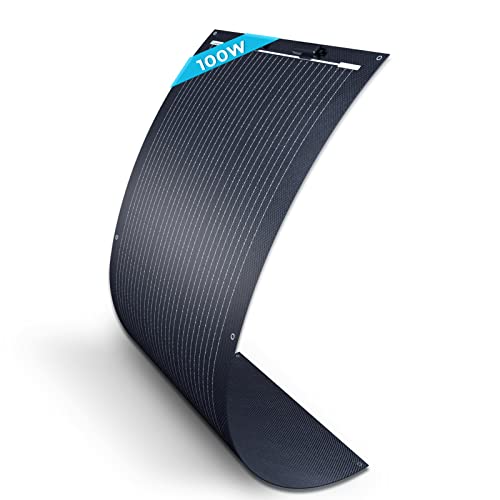
Renogy 100W Solar Panel 12V, Flexible Solar Panel 100 Watt 22% High-Efficiency, 240° Ultra Lightweight Solar Panels for Marine RV Cabin Van Car Boat Camping Curve Surfaces, Black
High Power Output – The flexible solar panel can provide an average of 500 Watt-hours of electricity per…
As an affiliate, we earn on qualifying purchases.
As an affiliate, we earn on qualifying purchases.
Conclusion
Upgrading your small keelboat with solar power isn’t just eco-friendly — it can provide up to 80% of your onboard energy needs. Imagine never worrying about running out of power during a weekend sail, with the sun quietly charging your batteries as you enjoy the waves. These upgrades make your adventures more sustainable and hassle-free, allowing you to focus on the water. Embrace solar energy and turn your boat into a beacon of green innovation.

SUNMAK 8 units per set Solar Panel Mounting Z Brackets Lightweight Aluminum Corrosion-Free for solar panels installed on RVs, Trailers, Boats, Yachts, Wall, Cabins, Sheds, Garages&Other Off Gird Roofs
【SUPERIOR QUALITY】 Anodized Aluminum Z brackets, Stainless Steel Hex Bolts and Screws, service life up to 25 years,…
As an affiliate, we earn on qualifying purchases.
As an affiliate, we earn on qualifying purchases.

Renogy Voyager 20A 12V/24V PWM Waterproof Solar Charge Controller w/ LCD Display for AGM, Gel, Flooded and Lithium Battery, Used in RVs, Trailers, Boats, Yachts, Voyager 20A
4-STAGE PWM Technology: The Voyager controller is equipped with advanced smart PWM technology with high charging efficiency. It…
As an affiliate, we earn on qualifying purchases.
As an affiliate, we earn on qualifying purchases.